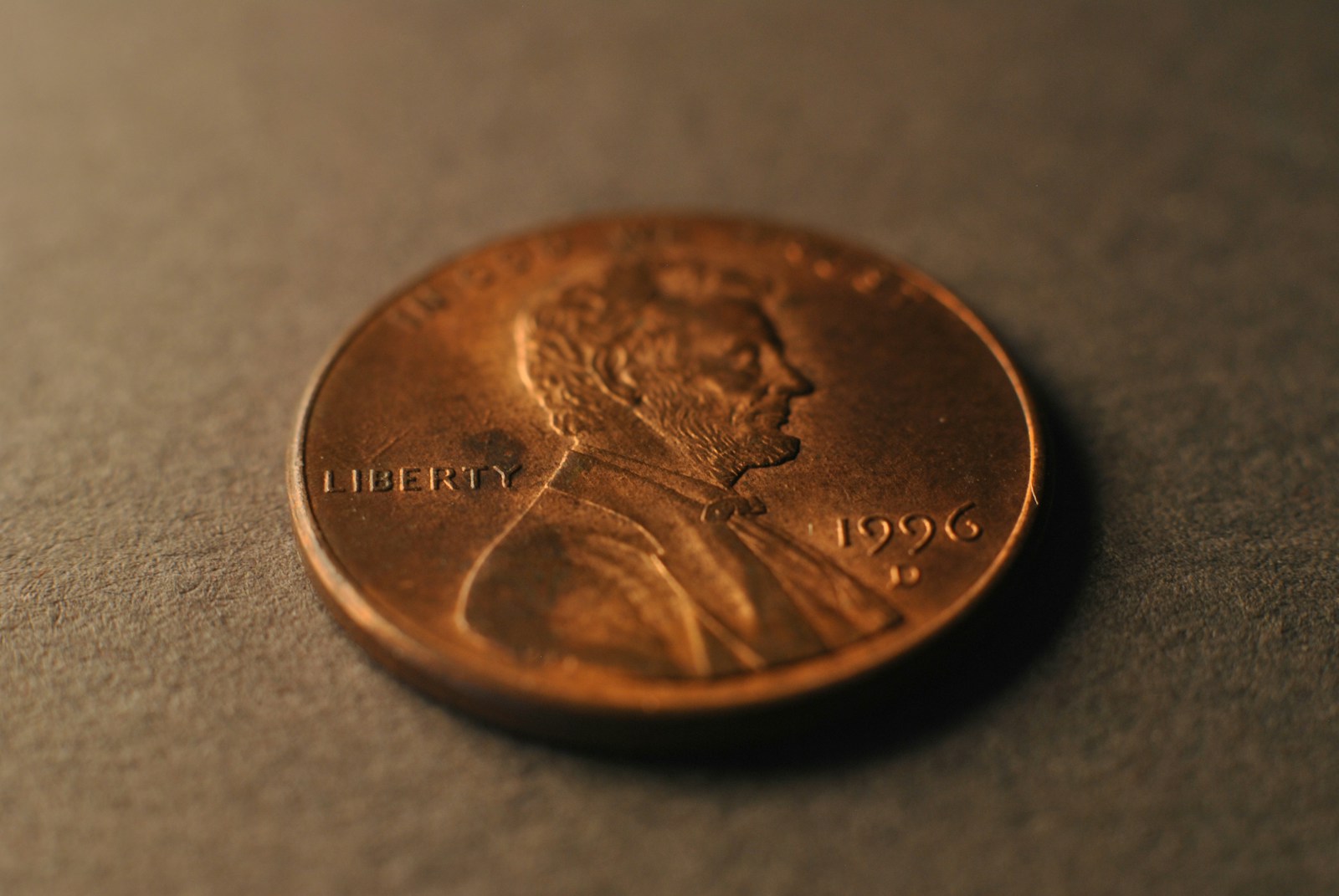
When we think about coins, it’s easy to overlook those tiny treasures jangling around in our pockets or hidden in the depths of our couch cushions. The big players like quarters and dimes often steal the spotlight, but today, let’s shine some light on five small coins that deserve a second look. You never know, one of these little guys might just steal your heart—or at least become a fun conversation starter!
Penny for Your Thoughts: The Lincoln Penny
First up is everyone’s old friend, the Lincoln penny. While it may seem like a relic of the past, this little copper coin has quite the history. Introduced in 1909 to commemorate Abraham Lincoln’s centennial birthday, it’s been a staple of American currency. You might think, “What’s so special about a penny?” Well, a few rare varieties, like the 1943 copper penny or the 1955 double die penny, can fetch hundreds or even thousands of dollars! So next time you see a penny on the ground, don’t just shrug it off—consider it a little piece of history waiting to be discovered.
Nickel and Dime: The Jefferson Nickel
Moving on to the Jefferson nickel, which often gets overshadowed by its more glamorous siblings. Introduced in 1938, this 5-cent coin features a portrait of Thomas Jefferson, the third U.S. president, and a lovely depiction of Monticello on the reverse. What makes the Jefferson nickel particularly interesting is its role during World War II. From 1942 to 1945, the composition of the nickel changed to include silver to save nickel for the war effort. If you come across a 1942-P or 1943-P nickel, you might just hold onto a coin with a fascinating backstory—and a bit of silver to boot!
Three Cheers for the Three-Cent Coin!
Now, let’s talk about something a little more obscure: the three-cent coin. Yes, you heard that right! Minted from 1851 to 1889, this little beauty was a response to rising postage rates. At just three cents, it was an affordable option for sending letters, which was quite the deal back in the day. You might not see these coins in circulation anymore, but they’re still out there, waiting to be collected. The silver three-cent piece, in particular, is a charming reminder of a bygone era, and it can be a quirky addition to any coin collection.
Half Dollar, Half the Attention: The Kennedy Half Dollar
Many people are familiar with the quarter and the dollar, but what about the Kennedy half dollar? Introduced in 1964 after the assassination of President John F. Kennedy, this coin was meant to honor his legacy. It’s not just a pretty face, either—this coin has a unique place in numismatic history. Although it’s not commonly used for everyday transactions, it makes for a fun and nostalgic collectible. Plus, who wouldn’t want to have a little piece of history in their pocket? Just imagine pulling one out at a coffee shop—it’s bound to spark a conversation.
Round It Off with a Token of Appreciation: The State Quarters
Now, we can’t talk about small coins without mentioning the state quarters that graced our pockets from 1999 to 2008. While they might technically be quarters, their design and purpose are worth a mention. Each coin showcases the unique features of a particular state, turning plain ol’ change into a mini-history lesson. Collecting these state quarters can be a fun way to learn about the United States, not to mention a great way to bond with family and friends over which designs you love or dislike the most. Plus, let’s be honest—who doesn’t love a little friendly rivalry when it comes to which state has the best quarter?
Final Thoughts: Small Coins, Big Stories
So, next time you find yourself rummaging through coins, don’t overlook those small denominations. Each one has a story to tell, a memory attached, or even a hidden value waiting to be discovered. Whether it’s the humble penny or the nostalgic Kennedy half dollar, these small coins are like tiny time capsules, reminding us that even the smallest things can hold great significance. So, go ahead—give those little guys a second look. Who knows? You might just be surprised by what you find!
Leave a Reply