It’s a scenario many parents can relate to: balancing work, home, and, oh yes, the delightful chaos that comes with raising kids. Recently, a woman took to social media to share her frustration over her husband referring to watching their children as “babysitting.” Her post has sparked a wave of conversation about parenting roles and expectations that many find both relatable and eye-opening.
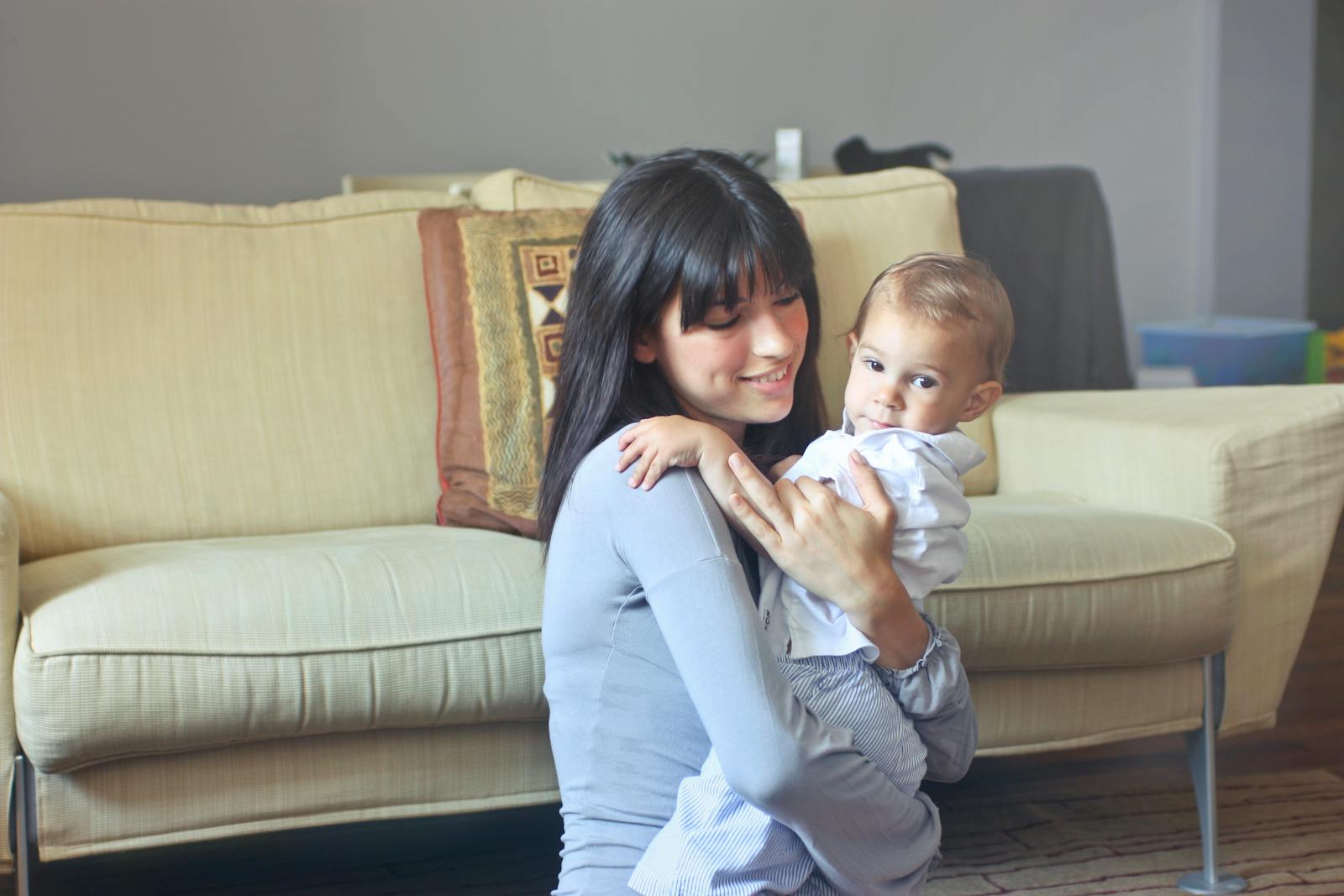
Feeling Like the Only Parent
“Why do I feel like the only parent?” she lamented in her post, echoing a sentiment that rings true for so many. It’s a feeling that’s all too familiar—when one partner seems to dip in and out of parenting duties, while the other is left to juggle it all. It’s like being on a seesaw where one side is way up in the air while the other is firmly planted on the ground, trying to maintain balance.
This woman’s frustration stems from the fact that calling it “babysitting” implies that watching the kids is a temporary gig, something you do for a friend’s kid or for a neighbor. But when you’re raising your own children, it’s full-time parenting, not just a side hustle. And let’s be honest, the term “babysitting” can feel dismissive, as if the responsibility is less significant than it truly is.
The Gender Dynamics
There’s a layer of gender dynamics at play here too, which can’t be overlooked. Historically, mothers have often been expected to take on the bulk of childcare responsibilities. When dads take a turn, it’s often framed as “helping out,” rather than just doing their part as a parent. It’s like getting a gold star for simply being present, while moms are expected to be the default caregivers. Can we just agree that parenting is a team sport?
Of course, not every dad is like this. Many men step up and share responsibilities equally, but this woman’s experience highlights a common issue. It raises the question: How do we shift this narrative? How do we redefine what it means to be a parent in a way that feels fair and balanced?
Talk It Out
Communication is key here. If you find yourself in a similar situation, it’s important to have a heart-to-heart with your partner. Maybe they don’t even realize how their words are impacting you. A simple chat could open up a floodgate of understanding. Try saying something like, “Hey, I’d love for us to use the term ‘parenting’ instead of ‘babysitting.’ It feels more inclusive and acknowledges that we’re both in this together.”
It’s all about framing. When you approach the conversation with love and understanding, it’s less about pointing fingers and more about building a partnership. It’s amazing what a little conversation can accomplish.
Redefining Roles
Another way to tackle this issue is to redefine the roles you each play in the family. Maybe you can sit down together and make a list of responsibilities. Who does what? Are there areas where one parent naturally excels that the other could take on? Once you identify tasks, it’s easier to see where you can each contribute without stepping on each other’s toes.
And let’s not forget about the classic “divide and conquer” strategy. Whether it’s tackling school drop-offs, bath time, or weekend activities, figuring out who does what can help you feel like a cohesive unit rather than two separate entities. Plus, it’s a great way to make sure both parents are equally invested in the daily grind that comes with raising kids.
Celebrate the Small Wins
It’s also essential to celebrate those little victories together. If your partner manages the kids for a whole Saturday while you take a much-needed break, acknowledge that! A simple “Thanks for holding down the fort today!” can go a long way in reinforcing that parenting is a shared responsibility. It helps to create a positive feedback loop that encourages everyone to keep stepping up.
Take a Step Back
Finally, let’s not forget the importance of self-care. If you’re feeling overwhelmed as the main caregiver, it might be time to carve out some “me time.” Whether it’s indulging in a bubble bath, catching up with friends, or simply enjoying a few minutes of quiet, taking care of yourself is crucial. When you feel good, you’re more likely to approach parenting with a sense of partnership, rather than feeling weighed down by it.
The Bottom Line
At the
More from Willow and Hearth:
Leave a Reply