Sticker shock in the supermarket has shifted from occasional annoyance to a weekly ritual, as staples and “convenience” items quietly eat up more of every paycheck. Shoppers increasingly describe certain products as feeling like a scam, not because they are unnecessary, but because the price gap between what they cost to make and what they ring up at the register has become impossible to ignore. Behind those receipts sit years of rising food inflation, supply constraints and corporate decisions that reward markups on the most habit‑forming or time‑saving goods.
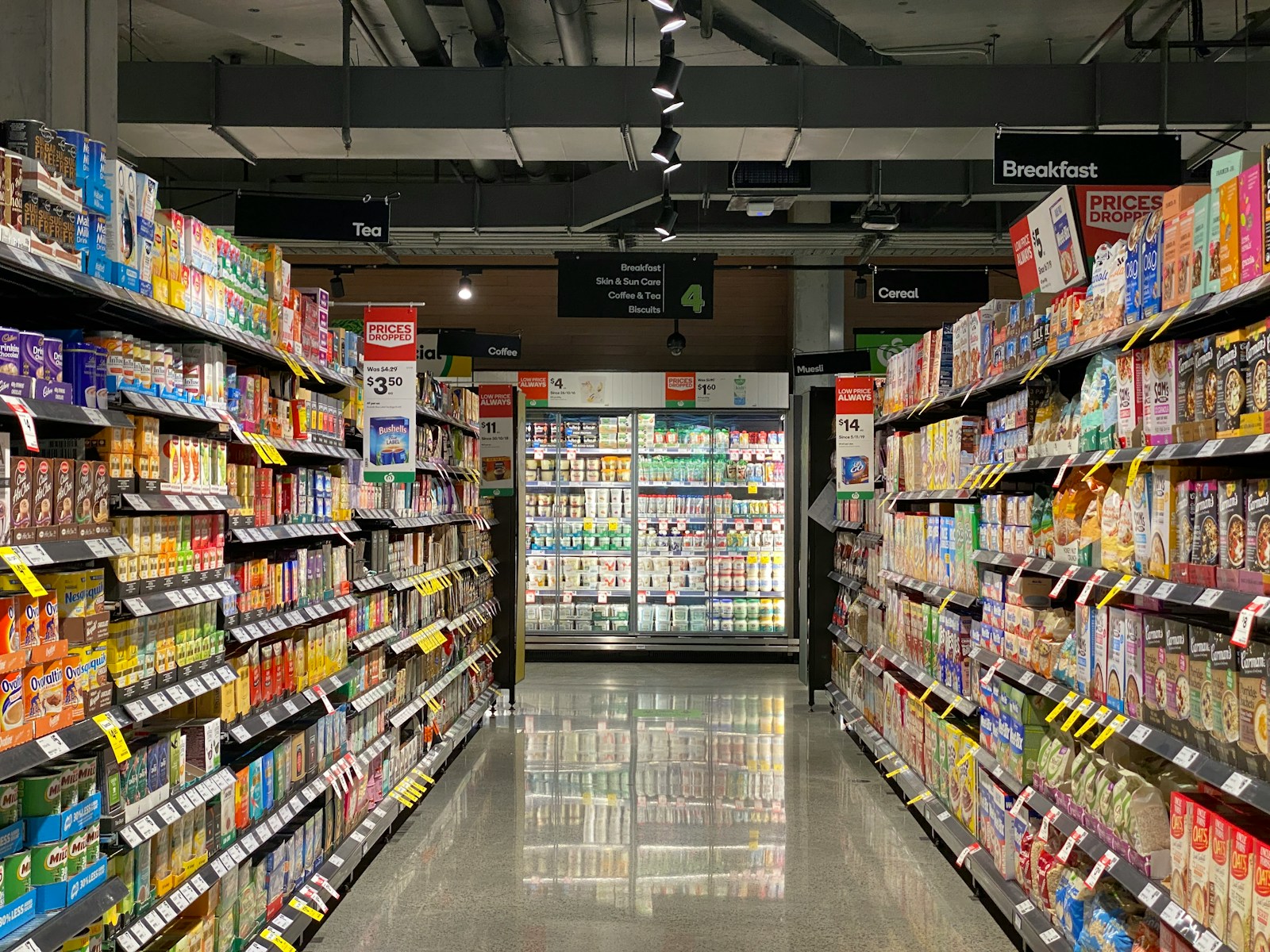
Across the store, from the meat case to the dairy aisle, a handful of products now symbolize this frustration more than others. They are the items people still toss into the cart out of habit or necessity, then resent as soon as the total flashes on the screen. Looking closely at five of the worst offenders, and the economic forces behind them, helps explain why grocery trips feel so punishing and where consumers actually have room to push back.
The bigger picture: why groceries feel rigged
Before zeroing in on individual products, it helps to understand why so many shoppers feel like the entire grocery experience is stacked against them. Food inflation has not been a one‑off spike but a long climb, with Food and Groceries costs rising steadily since 2017 according to Consumer Price Index data from the Bureau of La. That means each year’s “new normal” starts from a higher base, so even modest percentage increases now translate into painful jumps on everyday items like milk, meat and pantry staples.
Those increases are not happening in a vacuum. Analysts tracking Elevated food prices warn that households are being squeezed by a mix of poor crop yields, geopolitical shocks, supply chain bottlenecks and tariffs, all of which feed into higher shelf prices. President Donald Trump’s food price actions, including tariff policies, are part of that backdrop, shaping what importers pay for ingredients and what retailers ultimately charge. Against this environment, certain categories stand out as especially egregious, either because their production costs have spiked or because retailers have discovered just how much consumers will tolerate.
1. Beef: a staple protein that keeps climbing
Among all the items in the meat case, beef has become the clearest symbol of grocery price fatigue. Financial analysts looking ahead to 2026 put Beef at the top of the list of foods expected to keep rising in cost, warning that Several experts see little relief on the horizon. The U.S. cattle herd has shrunk after years of drought and high feed costs, which means fewer animals moving through the supply chain and less leverage for shoppers hoping competition will push prices down.
That supply squeeze is why a family pack of ground chuck or a couple of rib‑eyes can now rival a utility bill, leaving many consumers feeling as if a basic protein has turned into a luxury product. A separate analysis of Grocery Items Poised again singles out Beef and notes that Several industry voices expect tight supplies to persist. For households that built weekly menus around burgers, roasts and steak, the sense of being priced out of a long‑standing habit can feel less like normal inflation and more like a bait‑and‑switch.
2. Pre-cut fruits and vegetables: convenience at a shocking cost
If beef represents unavoidable sticker shock, prepped produce is where shoppers most often feel outright duped. Supermarket insiders say there is perhaps no greater markup in the produce section than on Pre-cut fruits and vegetables, where a few minutes of chopping is effectively outsourced for several extra dollars per package. There is also a quality trade‑off: once produce is sliced, it begins to degrade faster, and shoppers often complain about watery melon cubes or carrot sticks that dry out before the sell‑by date.
Experts who have studied these offerings describe Pre-Cut Produce as Convenience at a Shocking Cost, noting that pre‑washed, pre‑cut vegetables and fruits come with an average 40% markup. That figure is not printed on the shelf sticker, of course, which is why so many shoppers only realize the premium when they compare the cost of a whole pineapple to a small tub of pre‑cut chunks. For anyone trying to stretch a tight budget, paying nearly half again as much for the same produce, simply because it is sliced, understandably feels like a scam.
3. Pre-shredded cheese: paying extra for clumps and starch
In the dairy aisle, bagged shredded cheese has quietly become another symbol of convenience pricing gone too far. Supermarket employees who see the margins up close advise shoppers to Throw pre‑shredded cheese back on the shelf, arguing that the price difference compared with a block of the same product is rarely justified. Consumers are effectively paying a premium for a factory to run the cheese across a grater, even though most home cooks can do the same job in under a minute.
There is also a quality penalty that makes the higher price sting even more. To keep the shreds from clumping together in the bag, manufacturers coat them with anti‑caking agents like potato starch or cellulose, which can affect how smoothly the cheese melts and how it browns under heat. Supermarket insiders quoted in Supermarket reporting say that when shoppers realize they are paying more for a product that often performs worse in recipes, the sense of being taken advantage of is understandable. In a high‑inflation environment, that kind of hidden trade‑off can turn a small convenience into a recurring source of resentment.
4. Candy and snacks: small treats, big markups
Impulse buys at the checkout and in the snack aisle have also become flashpoints in the debate over grocery value. While sugar and cocoa prices have faced their own supply pressures, the retail price of branded candy and chips often reflects marketing muscle as much as raw material costs. Analysts looking at Grocery Items Poised note that Candy is facing additional pressure from tariffs, which can raise costs on imported ingredients and finished products. When those increases are passed along to shoppers in the form of higher shelf prices, a bag of chocolates or gummies can start to feel like an indulgence that no longer fits comfortably in the budget.
What frustrates many consumers is the combination of shrinking package sizes and rising prices, a pattern often described as shrinkflation. A family that remembers buying a full‑size bag of chips for a few dollars now finds smaller bags at higher prices, especially in convenience‑oriented formats like single‑serve multipacks. One analysis of Candy pricing highlights how tariffs and supply issues can give manufacturers cover to raise prices more aggressively, knowing that many shoppers will still reach for familiar brands. That dynamic, where loyalty and habit are effectively monetized, is a key reason snacks and sweets so often land on lists of items that feel like a rip‑off at today’s prices.
5. “Bargain” prepared foods that are anything but
Beyond obvious treats, some of the most misleading items in the store are those marketed as budget‑friendly shortcuts. Rotisserie chickens, deli salads and heat‑and‑eat sides are often positioned as value alternatives to takeout, yet per‑pound prices can rival restaurant meals once packaging and preparation are factored in. Experts who scrutinize grocery pricing warn that several supposed deals are actually Shocking Cost traps once the math is done.
These products exploit the same psychology as pre‑cut produce: time‑pressed shoppers see a ready‑to‑eat option and assume it must be cheaper than dining out, without comparing the unit price to raw ingredients. In reality, the labor and packaging built into prepared foods can push margins far above those on basic staples, which is why retailers devote so much floor space to them. When consumers realize that a small tub of deli pasta salad costs more per pound than dried pasta, sauce and vegetables combined, the sense of having been misled is understandable. The pattern echoes the broader warning from Grocery price data, which show that convenience often comes with a hidden premium that compounds over time.
6. Coffee and breakfast basics: mornings that cost more
Even the first meal of the day has not escaped the feeling that prices are out of step with reality. Coffee, cereal and other breakfast staples have seen some of the steepest increases in the store, turning what used to be a relatively cheap routine into a noticeable budget line. Analysts tracking how Consumer Price Index categories have moved point to coffee being up sharply, reflecting both global supply issues and strong demand. For shoppers who remember buying a large canister of grounds for a fraction of today’s price, the new totals can feel disconnected from any visible change in the product itself.
Breakfast cereals and spreads tell a similar story, with manufacturers frequently shrinking box sizes or jars while keeping prices flat or nudging them higher. Because these items are purchased so regularly, even small increases compound quickly, especially for families with children who go through them fast. The broader Food and Groceries trendline shows that Grocery inflation has been persistent rather than episodic, which helps explain why consumers are so sensitive to changes in everyday rituals like morning coffee. When the cost of simply starting the day keeps climbing, it reinforces the perception that the system is tilted against ordinary households.
7. Tariffs, supply chains and the politics behind your receipt
Behind each of these price spikes sits a web of policy choices and global disruptions that rarely appear on the shelf tag. Trade tensions and tariffs have raised costs on imported ingredients, from cocoa and sugar in candy to coffee beans and certain fruits, which then filter through to retail prices. Analysts examining tariffs on Candy and other goods note that these levies can act as a hidden tax on consumers, even when the political debate focuses on punishing foreign producers.
Domestic policy also plays a role, from agricultural subsidies that influence what farmers grow to regulatory decisions that affect transportation and labor costs. The report on Grocery prices pressuring consumer spending highlights how President Donald Trump’s food price actions intersect with poor yields, geopolitical shocks and supply chain bottlenecks to keep costs high. For shoppers, the result is a receipt that reflects not just what is in the cart, but also a series of policy decisions made far from the checkout line. That disconnect fuels the sense that some of the worst price jumps are less about genuine scarcity and more about how the system allocates costs and profits.
8. How supermarkets quietly steer shoppers toward pricier picks
Even within a high‑inflation environment, the way stores present products can amplify the feeling of being nudged into bad deals. Retailers know that many shoppers equate convenience with value, which is why pre‑cut produce, shredded cheese and prepared foods are often placed at eye level or near the front of departments. Supermarket insiders who urge customers to Throw these 5 describe how these placements are designed to catch rushed shoppers who are less likely to compare unit prices.
Packaging also plays a role in obscuring true costs. Smaller containers with bold graphics can make products look affordable at a glance, even when the price per ounce is far higher than a plain, bulk alternative on a lower shelf. The pattern is especially clear in categories like There is perhaps no greater markup
on Pre-cut fruits and vegetables, where bright tubs and bags disguise how little product is inside. When shoppers later realize they have paid restaurant‑level prices for grocery‑store convenience, the sense of being steered rather than served can be hard to shake.
9. Fighting back: strategies to avoid the worst “scam” prices
Despite the structural forces pushing food costs higher, consumers are not entirely powerless. The clearest leverage point is to avoid categories where markups are most extreme, such as Pre-shredded cheese and heavily marked‑up prepared produce. Buying whole fruits and vegetables, then investing a few minutes in washing and chopping, can immediately erase the average 40% premium attached to pre‑cut options. Similarly, grating cheese from a block not only saves money but often improves texture and flavor in cooking.
More from Willow and Hearth:
Leave a Reply