A homeowner noticed a stray cat lingering on the front steps, then began finding small objects arranged neatly on the same spot every morning. At first the items looked like random yard debris, but as the days went on, a clear pattern emerged that suggested deliberate feline intent rather than coincidence. The story that unfolded on that porch reflects a broader, well documented behavior in cats that treat humans as part of their social circle and express it through “gifts.”
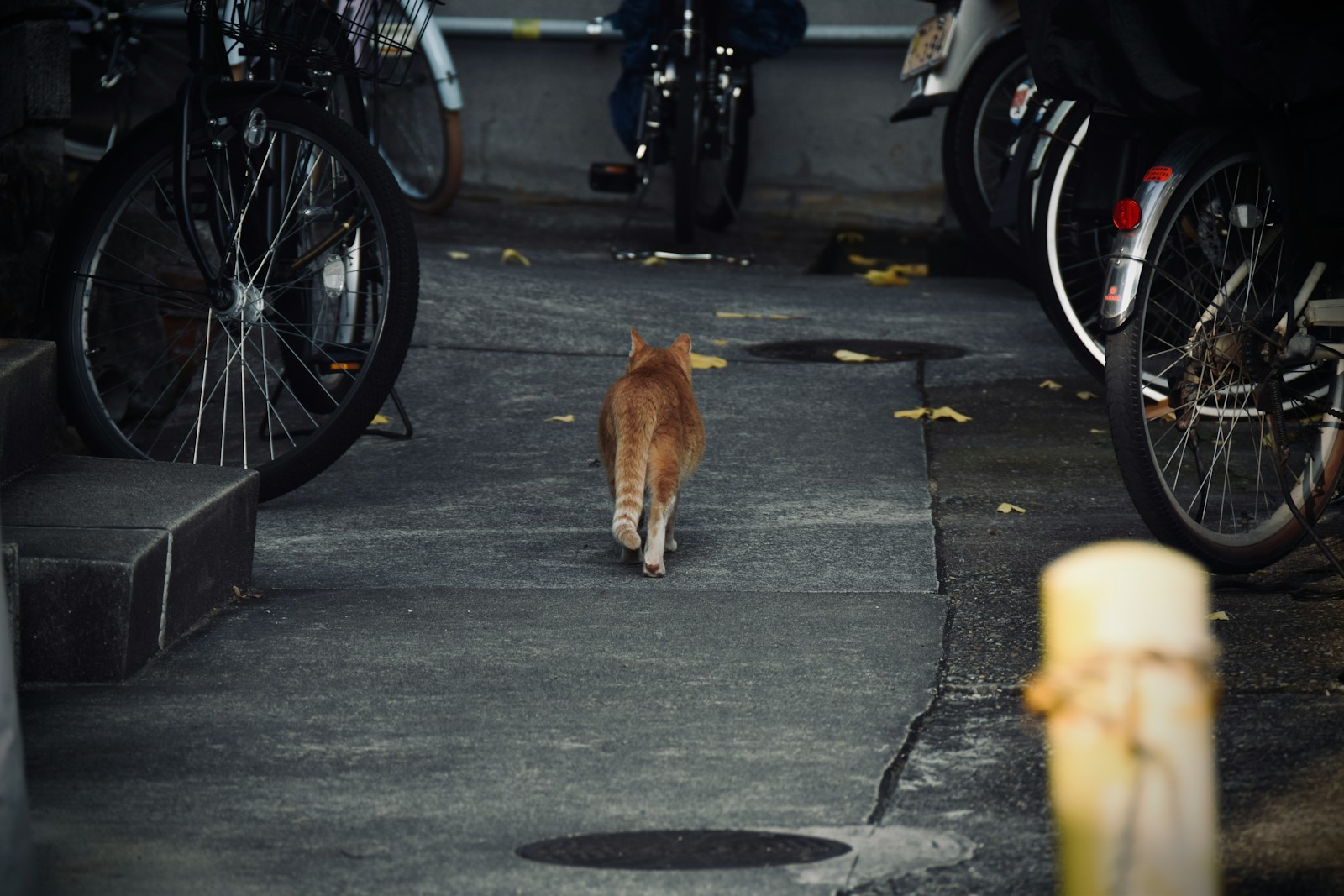
Across social media and pet behavior research, similar accounts of cats delivering offerings, from leaves to toys and even stolen trinkets, reveal how complex and purposeful these gestures can be. The porch mystery fits into a growing body of evidence that cats use gifting to communicate affection, trust, and hunting prowess, even when the “prey” is a crumpled leaf instead of a mouse.
The First Gifts On The Porch
The pattern usually starts quietly, with a single object left in the same place, often near a door or favorite sitting spot. In this case, the homeowner began spotting one carefully placed item on the porch each day, often a leaf or small scrap that looked too intentionally positioned to be random windblown clutter. The stray cat that had been hanging around the property was often nearby, watching from a short distance as if waiting to see whether the offering would be noticed or acknowledged.
Similar scenes have been described by other cat watchers, including one person who asked if anyone had heard of a stray gifting a leaf after finding a single leaf repeatedly left on a neighbor’s porch where food was sometimes put out. That discussion, which mentioned the name Has and described the behavior as a sign of appreciation, framed the leaf not as trash but as a deliberate token. The porch homeowner, seeing the same kind of repetition, began to suspect that the cat was not just passing through but trying to start a conversation in the only language it knew.
When A Random Leaf Becomes A Recognizable Pattern
What transforms a stray object into a story is repetition. After the first few mornings, the homeowner realized that the items were not only appearing in the same place but also arriving with the same quiet ritual: the cat would show up, linger on the porch, and then, later, a new “gift” would be waiting. Over time, the assortment expanded from leaves to small twigs and bits of plant matter, each one placed alone, as if the cat were following an internal rule about presenting a single, tidy offering.
In the online leaf gifting account, the person who kept finding a lone leaf on a porch where food was offered described the pattern as “routinely” discovering that single item, which echoed the homeowner’s growing sense that this was not random yard litter. Commenters in that thread suggested the cat was showing gratitude and recommended responding with gentle attention and consistent care, reinforcing the idea that these repeated objects were part of a social exchange rather than meaningless clutter left by chance.
Why Cats Offer Gifts At All
To understand what was happening on the porch, it helps to look at how cats behave with prey. Behavioral experts note that cats are instinctual hunters that often bring home mice or other small animals, not as a simple present, but as part of a complex mix of instinct, practice, and social sharing. Some explanations suggest that when a cat drops prey at a human’s feet, it may be trying to teach hunting skills or simply finding a safe place to consume or stash the catch, rather than consciously wrapping it as a gift.
One detailed guide on feline hunting behavior explains that Some cats may bring home dead animals because they are following natural predatory instincts and seeking a secure location, and that owners often misinterpret this as a purely generous gesture. Another overview of why cats drag mice into the house notes that earlier thinking framed these deliveries as affection, but more recent interpretations emphasize instinct and learned behavior, even as people still describe them as “presents.” That analysis, which asks Why Do Cats, underlines that the behavior is normal and not a sign that something is wrong with the cat.
From Prey To Toys, Flowers, And Leaves
Not every cat has access to live prey, especially in urban neighborhoods where indoor-outdoor routines are tightly controlled. In those settings, many cats redirect the same instinctive urge into safer objects like toys, socks, or bits of the environment. One behavior-focused breakdown notes that Cats are natural hunters even when domesticated, and that they often carry toys around as stand-ins for prey, sometimes dropping them on beds or at doorways as if they were freshly caught animals. That same explanation emphasizes that Even indoor cats retain these instincts and may use toys to express them safely.
Real world examples show how creative this substitution can become. In one widely shared neighborhood story, a cat named Willow was described as bringing a pink flower to each of her neighbors, turning blossoms into her preferred offering. Another viral clip compiled by Animalesz under the handle facts.animaleszz explained that when a cat brings dead mice or birds, There is a scientific reason behind it, tying the behavior back to predatory instincts rather than simple gift wrapping. Against that backdrop, a stray cat choosing leaves or porch debris fits the same pattern, just with more benign materials.
How Strays Learn Which Humans To Trust
The porch cat’s decision to focus on one house was not random either. Stray cats often map their surroundings and identify which doors are safest, which yards are quietest, and which humans respond with food or calm body language. Over time, they may start spending most of their time on a particular porch, treating it as a semi territory even if they still roam. That gradual shift from passerby to regular visitor is often the first sign that a stray is considering a closer bond with a household.
One person posting under the name JDPhoto70 described how a friendly outdoor cat kept showing up in their yard until they Eventually put out shelter and more consistent care, which helped the cat settle. Another story of a Stray mama cat who repeatedly appeared on a person’s porch before a neighbor brought over her kittens was framed as another example of The Cat Distribution System, the tongue in cheek phrase people use when cats seem to assign themselves to new homes. In that context, the porch gifts look less like random clutter and more like the early stages of a relationship that the cat is testing carefully.
Reading The Emotional Subtext Of Feline Gifts
Once the homeowner recognized the pattern, the question shifted from “what is this?” to “what does it mean?” Behavior specialists and experienced owners often interpret these offerings as a blend of instinct and social signaling. When a cat drops something at a human’s feet or on a doorstep, it may be demonstrating hunting success, seeking praise, or simply sharing something it considers valuable. Even if the object is a leaf, the act of carrying and placing it can mirror the same ritual used with prey.
Some guides to toy carrying behavior describe these deliveries as a display of affection, noting that a cat that repeatedly brings objects to a person is often showing how much it cares and wants to interact. In the leaf gifting discussion that mentioned Sep and the question about a stray leaving a single leaf, several responses framed the behavior as appreciation for being fed and encouraged the person to respond with gentle attention and “lots of love.” The porch homeowner, seeing the cat’s steady eye contact and relaxed posture while the gifts accumulated, had good reason to read the behavior as a sign of trust rather than a random quirk.
When Gifts Turn Into A Claim On The Household
As the days passed and the porch collection grew, the homeowner noticed that the cat’s schedule began to sync more closely with the household’s routine. The animal appeared around meal times, lounged on the steps for longer stretches, and sometimes vocalized softly when the door opened, as if inviting interaction. The gifts continued to arrive, but now they seemed paired with a quiet expectation that the human on the other side of the door might respond with food, a kind word, or at least acknowledgment.
Stories of cats effectively “adopting” people follow a similar arc. The stray mama who kept returning to the same porch before her kittens were brought over was treated as a textbook example of The Cat Distribution System, in which cats choose their humans rather than the other way around. In another viral clip, a cat with access to the outdoors repeatedly stole items from neighbors and brought them home to her person, with the video noting that This cat would come and go whenever she wanted but always returned with loot for her “mom.” In both cases, the gifts were part of a larger claim: the cat had decided where it belonged.
How Homeowners Can Respond Safely And Kindly
For the porch homeowner, recognizing the pattern opened up a new set of responsibilities. Accepting the gifts, even if they were just leaves, meant acknowledging that the cat saw this porch as a safe place and this human as part of its social world. The next steps involved practical choices: offering food or water, checking for identification, and considering whether the cat might need veterinary care or a permanent home. Responding calmly and consistently helps reinforce trust without overwhelming a wary stray.
Advice shared in the leaf gifting thread encouraged people in similar situations to show appreciation with gentle attention and to ensure the cat had access to basic care. Behavior explainers that unpack why cats bring prey or toys home also stress that owners should avoid punishing the behavior, since it is rooted in natural instincts rather than mischief. For those who cannot adopt, local rescue groups and community cat programs can help with trapping, neutering, and finding placements, so that a cat that has already chosen a porch does not have to navigate the streets alone.
What The Porch Story Reveals About Human–Cat Bonds
By the time the homeowner fully understood the pattern, the porch had become more than a set of steps. It was a meeting point where a cautious stray tested the boundaries of trust using the only currency it had, small objects carried carefully in its mouth and placed where they could not be missed. Each new item, whether a leaf, twig, or scrap, was part of a slow conversation that asked, again and again, whether this human might be safe enough to rely on.
Placed alongside accounts of leaf offerings, flower deliveries from cats like Willow, and the more traditional mice and toy drops described in behavior guides, the porch story underscores how flexible and expressive feline gifting can be. Whether the object is a pink flower, a stolen trinket, or a single leaf, the underlying message is similar: the cat is reaching across the species gap to share something it values and to test the possibility of a deeper bond. For the humans on the receiving end, noticing the pattern is the first step toward answering that invitation with care.
More from Willow and Hearth:
Leave a Reply