Parents who share their home with a cat often discover that the nursery is irresistible to a curious pet. When a cat keeps curling up in a baby’s crib, what looks like stubborn misbehavior can actually reveal something deeper about feline instincts, attachment and the way animals respond to new family members. Understanding why it happens is the first step to protecting the baby, supporting the cat and, in some cases, recognizing that the animal may be trying to help.
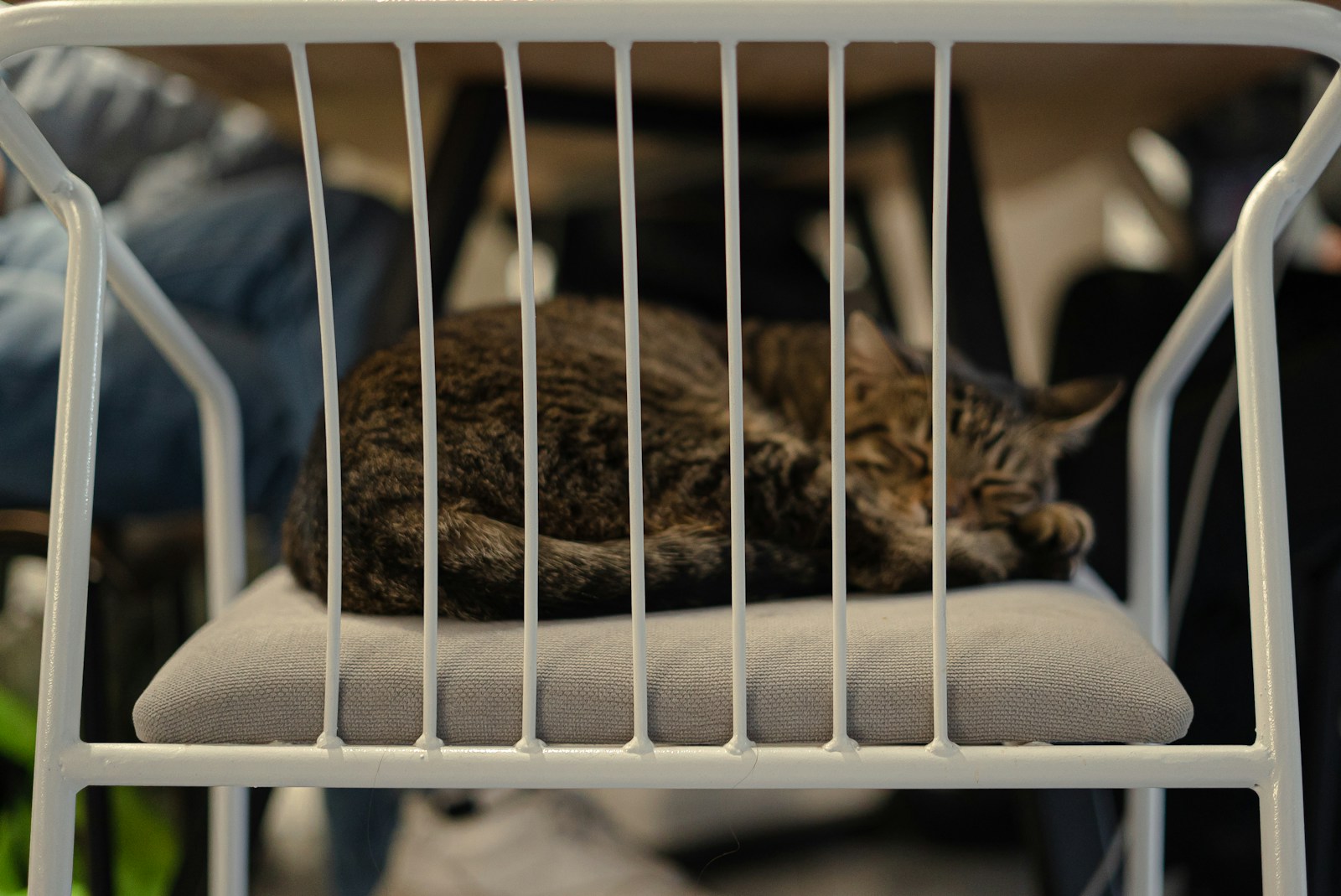
From safety guidance and veterinary advice to baby monitor footage and near‑miraculous rescues, recent stories show that this habit can be both a genuine risk and a surprising sign of loyalty. The pattern that emerges is not of a predator targeting a child, but of an animal drawn to warmth, scent and social connection, which still needs firm boundaries and smart management from adults.
The Night Mom Realized The Cat Was Not Just Being Stubborn
In many homes, the pattern starts the same way: a parent lifts the cat out of the crib, closes the door, and finds the animal back on the mattress the next time they check the monitor. Online, one parent described a cat that “keeps sleeping in the baby’s crib,” a complaint that resonated with others who had watched their own pets slip past baby gates and perch beside a sleeping infant. One commenter recalled that her sister’s cats would visit the nursery repeatedly when her children were small, padding in to investigate every cry and rustle in the night, a routine that eventually left the family “thankful that kitty noticed” when something seemed off, as described in a Reddit thread.
That shift, from irritation to gratitude, is often triggered by a single moment when a parent finally sees what the cat is doing in the crib. In some cases, baby‑cam footage shows a pet positioning itself near the child’s feet rather than the face, or pacing and meowing when the baby coughs or struggles, behavior that suggests vigilance rather than indifference. The realization that the animal is responding to sounds and movements, not simply seeking a soft mattress, can change how adults interpret the nightly crib invasions, even as they still work to keep the sleeping space off limits.
Why Cats Are Magnetically Drawn To Cribs
Feline behavior specialists consistently point to comfort as the main driver behind this fixation. A veterinary Q&A on crib sleeping notes that “Your cat’s behavior is likely a search for comfort and warmth,” explaining that cats often seek out soft, elevated spots that smell strongly of their favorite humans, which makes a freshly made crib especially tempting for an animal that already naps on beds and couches around the house, according to Your.
Other experts emphasize that cats are drawn to warm, soft spaces and that a crib, new and off limits, quickly becomes “prime real estate” in a pet’s mental map of the home. One guide on cats and newborns notes that the mattress, blankets and lingering scent of milk and skin combine into an ideal nest, and that the very fact humans keep shooing the animal away can make the spot more intriguing, a classic case of forbidden territory becoming more desirable, as outlined in advice on how Cats respond to such spaces.
The Real Safety Risks Experts Want Parents To See
While the cat’s motivation may be innocent, pediatric safety agencies are blunt about the potential danger. Official guidance on pets and children warns of “Risks to your baby’s breathing” and advises, “Never allow cats into any room where a baby or child is sleeping,” noting that a cat may settle close to a baby’s face or chest and accidentally interfere with breathing, a scenario that becomes more likely in a small crib where there is little room to shift position, according to detailed advice on Risks.
Animal welfare organizations echo that message, urging parents to treat the crib as a strictly cat‑free zone. They recommend practical steps such as closing the nursery door whenever the baby is napping, installing a temporary screen door if a solid door is not available, or placing a crib tent or netting over the mattress to keep pets out, measures that are framed as simple ways to prevent accidental suffocation or scratches while still allowing the cat to remain part of family life, as outlined in guidance on Close the.
When A Cat In The Crib Becomes A Lifesaver
Despite those warnings, there are rare cases where a cat’s insistence on staying near a baby has had a dramatic, positive outcome. A widely shared account describes how “Her Family’s Cat Saved Her Life When She Was A Baby After She Got Her Head Stuck In Her Crib,” with writer Emily Chan reporting that the child’s head became trapped between the crib bars while her mother, Konstanti, was busy chatting on the telephone in another room. According to that report, the family’s cat raised the alarm by making an unusual commotion, drawing the adult back to the nursery in time to free the baby, a sequence detailed in coverage of how Cat Saved Her.
Other families have captured quieter versions of the same protective instinct on camera. In one baby‑cam clip, a kitten named Luna is seen sneaking into her “sister’s” crib for a cuddle, with the owner explaining, “I got a notification, so I opened it, and I just saw Luna rubbing all over her,” as the camera caught both baby and cat pressed together in the frame, a scene shared in a video about how Luna behaves. These stories do not cancel out the safety concerns, but they help explain why some parents, after tightening boundaries around sleep, still see the cat as an ally rather than a threat.
How Attachment Turns Cats Into Baby Bodyguards
Bonding between cats and young humans often builds slowly, then becomes unmistakable. One rescue story follows Luna the cat, who was adopted after shelter staff realized she had a special affinity for children; over time, she began positioning herself near the baby’s crib and reacting to unfamiliar noises in the nursery, behavior that family members interpreted as protective once they saw how consistently she checked on the child, as shown in footage of Luna near her baby.
Elsewhere, a viral baby‑cam clip from mom Tori McKee shows what happened after the family cat was accidentally locked in toddler Carolina’s room overnight. Just like any other morning, Tori, who is 33, checked the monitor to see if her 2‑year‑old daughter was still sleeping and instead saw the cat curled beside the child, shifting as Carolina moved into more comfortable positions, a scene later described as proof that “Poppy is the sweetest cat” who had stayed calm through a night of constant motion, according to the account of Just.
What The Baby Monitor Really Shows When Cats Sneak In
Baby monitors have become an unexpected window into how cats behave around sleeping children. In the clip of Poppy and Carolina, a “Media Error” initially interrupted playback, but once the footage was recovered, the family could see that the cat spent the night adjusting her own position as the toddler rolled and kicked, rather than pinning the child in place, a pattern that reassured the parents that the animal had not interfered with breathing, as later noted in coverage that referenced the on‑screen notice “Media Error.”
Other baby‑cam videos show similar patterns: cats entering the crib area, sniffing the baby, then settling at the edge of the mattress or on a nearby pillow rather than directly on the child. In the Luna cuddle clip, the kitten rubs her face along the baby’s head and shoulders, then lies down in a way that keeps most of her weight off the infant, behavior that looks affectionate but still prompts viewers to debate whether such contact is safe. These recordings have fueled a more nuanced conversation, in which parents acknowledge the emotional comfort of seeing a pet act like a guardian while still recognizing that, as one analysis of cats and newborns puts it, “Still, caution is wise” when it comes to unsupervised sleep, a point underscored in guidance that asks, “Will my cat get into the crib and sit on my baby’s face?” and then stresses that And the risk, while not inevitable, must be managed.
Setting Boundaries Without Breaking The Bond
For parents who want to keep both baby and cat safe, the challenge is to enforce a no‑crib rule without turning the nursery into a source of stress for the animal. One widely shared piece of advice is to “Make kitty her own special cozy bed, add some catnip toys. Hopefully this will entice her,” a strategy that redirects the cat’s nesting instinct toward a designated spot near, but not inside, the crib, as suggested in a discussion that urged owners to Make alternative beds appealing.
Formal guidance on cats and babies reinforces that environmental management is key. Experts recommend closing the nursery door whenever the baby is sleeping, using a screen or gate if airflow is a concern, and supervising any interaction between cat and child while the infant is awake, steps that help the animal associate the crib with off‑limits territory while still allowing positive contact elsewhere in the home, as outlined in broader advice on cats and babies. When combined with regular playtime and affection, these boundaries reduce the cat’s urge to test the crib while preserving the emotional bond that can make the animal such a steady presence in a child’s early years.
Reading The Cat’s Body Language Around The Baby
Understanding what a cat is “saying” with its body can help parents decide when proximity is safe and when to intervene. Behaviorists note that kneading, for example, is a common sign of contentment that often traces back to kittenhood, when young cats knead their mother’s belly while nursing. Besides the nostalgic link to early life, experts explain that older cats may knead to mark territory or self‑soothe, which means a cat kneading near a baby’s legs may be signaling comfort rather than agitation, as outlined in guidance that begins, “Besides the pure nostalgia of it all.”
Other cues, such as slow blinking, relaxed ears and a loose tail, typically indicate that a cat feels safe around the child, while flattened ears, a twitching tail or dilated pupils can signal overstimulation or anxiety. One video about a cat warming up to an owner’s boyfriend highlights a “significant turning point” marked by a clip of the pair sleeping peacefully together, with the cat napping comfortably on the man’s chest, a visual that underscores how stillness and relaxed posture can reveal when a bond is cemented, as described in a feature on how a feline gradually warmed slowly to a new person. Parents who learn to read these signals are better equipped to decide when a cat’s presence near the crib reflects calm attachment and when it might tip into risky territory.
From “Keep Out” To Carefully Managed Friendship
Over time, many families move from a strict “no cat near the baby” stance to a more nuanced approach that separates sleep safety from daytime interaction. Official child‑safety advice still stresses that parents should “Never allow cats into any room where a baby or child is sleeping,” a rule that remains non‑negotiable for naps and overnight rest, as reiterated in guidance on Never. Yet the same households often encourage supervised play on the living‑room floor, letting the cat sniff the baby’s feet, sit nearby on the couch or share a blanket while adults watch closely.
More from Willow and Hearth:
Leave a Reply