A family’s quiet night turned into a race to save their child when the household dog would not stop barking at the crib. What first sounded like a nuisance quickly revealed itself as a desperate warning, and by the time the baby’s father reached the nursery, he realized his infant was not breathing. The chain of decisions that followed, from trusting the dog’s alarm to calling for help, shows how an animal’s instincts can intersect with human vigilance in a life or death moment.
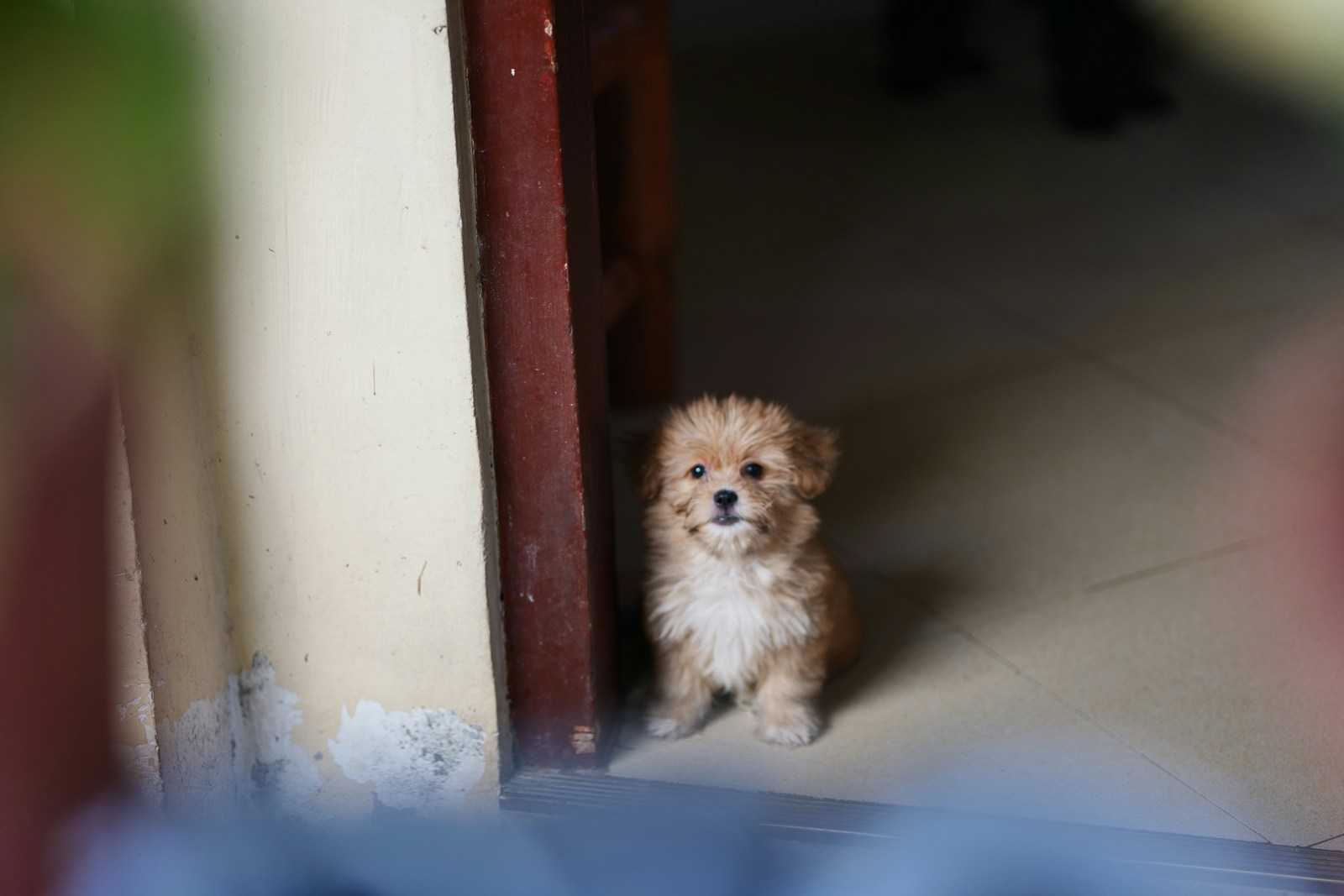
Stories like this are not isolated miracles but part of a growing body of real cases in which dogs sense medical emergencies before adults do. In one Connecticut town, a family credits their pet with alerting them that their baby had stopped breathing, while other parents have described similar scenes of frantic barking, trembling, and bed-jumping that pulled them from sleep just in time. Together, these accounts highlight both the power of the human–animal bond and the practical lessons for parents about listening when a dog insists something is wrong.
The Night A Dog Refused To Leave The Nursery
In Glastonbury, a routine evening at home shifted abruptly when the family’s dog began fixating on the baby’s room. The animal, a dog named Henry, repeatedly pushed his way toward the crib, ignoring attempts to redirect him and making it clear that something in the nursery demanded attention. What might have been dismissed as restless behavior instead escalated into persistent agitation, with Henry refusing to settle until someone followed him to the child.
When the parents finally checked the crib, they discovered their baby had stopped breathing, turning the dog’s strange behavior into a clear medical alarm. The family later described how Henry’s insistence, his repeated efforts to get into the room and focus on the infant, was the only reason they realized the emergency in time to act. The account of Henry in Glastonbury has since been cited as a vivid example of how a dog’s refusal to leave a crib can be a literal lifesaving signal.
From Annoying Bark To Life-Saving Alarm
For many parents, a barking dog in the middle of the night is more irritation than warning, especially when there is a sleeping baby in the house. In the Glastonbury case, the family initially tried to quiet Henry, only to realize that his behavior was not random noise but a targeted attempt to draw them to the nursery. The shift from annoyance to alarm happened in seconds, once they saw that the dog’s focus was not on a window or a hallway but on the crib itself.
Another family described a similar pattern when their dog Duke suddenly jumped onto their bed, trembling so intensely that it was impossible to ignore. Duke’s owners later said they understood something was seriously wrong only because he had never acted that way before, and his agitation pushed them to check on their child. The widely shared account of the Hero dog Duke shows how what begins as a disruptive moment can quickly be recognized as an emergency alert when a dog’s behavior is clearly out of character and directed toward a vulnerable family member.
Inside The Glastonbury Baby Emergency
The Glastonbury incident unfolded in a matter of minutes, but each step was critical. Henry kept pushing his way into the baby’s room, focusing on the crib and refusing to be shooed away, which finally convinced the parents to look more closely at their child. When they reached the crib, they realized the baby was not breathing and had been in distress for long enough that every second now mattered. Their decision to trust the dog’s insistence effectively bought them the time they needed to intervene.
Local reporting on the case described how the family quickly called for medical help after discovering the baby’s condition, crediting Henry’s behavior with preventing a far worse outcome. The description of how the dog “kept pushing his way into the baby” room and would not give up until the parents responded has become a central detail in coverage of the Glastonbury medical emergency. For many readers, that image of a dog physically inserting himself between danger and a child captures why the family now calls him a hero.
How Parents Realize A Baby Is Not Breathing
Recognizing that an infant is not breathing can be difficult in the best of circumstances, especially in a dark room when a child is lying still. Parents are often trained to look for subtle signs, such as the rise and fall of the chest, faint sounds of air movement, or changes in skin color, but these cues can be easy to miss when everyone is asleep. In the Glastonbury case, the parents did not initially suspect anything was wrong, which is why Henry’s relentless focus on the crib became such an important trigger to check more carefully.
Once at the crib, the father’s realization that the baby was not breathing would have involved a rapid assessment, from looking for chest movement to feeling for air near the infant’s mouth and nose. Medical guidance typically urges parents to call emergency services immediately and begin appropriate resuscitation steps if they are trained, rather than losing time trying to diagnose the cause. In situations like the one described in Glastonbury, the difference between a sleeping baby and a silent medical crisis can be a matter of seconds, and the dog’s behavior effectively shortened that gap.
Why Dogs Sometimes Sense Trouble Before Humans
Cases like Henry’s and Duke’s raise a natural question about why dogs sometimes detect danger before adults do. Canine senses are far more acute than human senses in several ways, particularly smell and hearing, which can allow them to notice changes in breathing patterns, faint sounds, or even shifts in body chemistry that people do not perceive. A dog that spends significant time near a baby may become attuned to the child’s normal rhythms, so a sudden silence or change in scent could trigger anxiety and focused attention on the crib.
Behaviorists often note that dogs are also highly sensitive to routine and emotional context, which means they may react strongly when something in the household feels “off,” even if humans cannot immediately identify what has changed. In the Glastonbury case, Henry’s repeated attempts to reach the baby and his refusal to be calmed suggest he perceived a serious break from normal patterns. Similarly, Duke’s intense trembling and bed-jumping, as described in the video account of his actions, indicate a level of distress that went far beyond ordinary restlessness and pushed his owners to investigate.
From Glastonbury To Viral Hero Stories
The Glastonbury baby rescue quickly resonated beyond the local community because it fit into a broader pattern of dogs being hailed as heroes for alerting families to medical emergencies. In that town, Henry’s story spread as neighbors learned how his persistence led directly to the discovery that the baby had stopped breathing, reinforcing the idea that pets can be more than companions. The narrative of a family dog refusing to leave a crib until adults realized the danger captured public attention precisely because it felt both extraordinary and believable.
Online, similar accounts have circulated of dogs like Duke, whose owners shared how he woke them by jumping on the bed and shaking uncontrollably until they checked on their child. The Hero Duke story has been reposted widely, with readers focusing on the way his behavior broke through the natural human tendency to dismiss nighttime disturbances. Together with the Glastonbury case, these stories have helped shape a public perception of dogs as potential early warning systems in households with infants, even though not every pet will respond in the same way.
What Parents Can Learn From Henry And Duke
For parents, the most practical lesson from Henry and Duke is simple: when a normally calm dog suddenly fixates on a baby’s room or acts in a way that is clearly out of character, it is worth investigating immediately. That does not mean every bark or whine signals a medical crisis, but the pattern in these cases is one of intense, targeted behavior that does not stop until someone checks on the child. In Glastonbury, the family later emphasized that Henry’s refusal to leave the nursery was the only reason they discovered their baby’s condition in time to call for help.
Experts often advise parents to combine that kind of situational awareness with basic infant safety practices, such as using a firm mattress, keeping the crib free of loose bedding, and following safe sleep guidelines. While a dog’s instincts can provide an unexpected layer of protection, they are not a substitute for medical care or monitoring. The stories of Henry and Duke show how pets can complement, but never replace, parental vigilance and emergency planning, especially when it comes to recognizing signs that a baby may not be breathing.
Balancing Safety: Dogs, Nurseries, And Boundaries
The idea of a dog pushing into a nursery to save a baby’s life can make it tempting to keep pets as close as possible to sleeping infants, but safety experts urge a more balanced approach. Many pediatric guidelines recommend that dogs not be left unsupervised with babies, both to protect the child from accidental injury and to prevent the animal from becoming stressed. In the Glastonbury case, Henry’s access to the baby’s room allowed him to alert the parents, yet the family still had to manage the boundary between his protective instincts and the need for a controlled sleep environment.
Parents can respond to these stories by setting clear rules that allow a dog to be nearby without having direct, unsupervised contact with the crib. That might mean using baby gates, keeping doors partially open so sounds carry, or training the dog to alert adults rather than jump into the crib area. The key is to recognize that while dogs like Henry and Duke have demonstrated remarkable awareness during emergencies, their role should be framed as part of a broader safety plan that prioritizes both infant well-being and responsible pet management.
Why These Stories Resonate With So Many Families
Accounts of dogs saving babies by barking at cribs or waking sleeping parents resonate because they tap into a deep cultural belief about the loyalty and intuition of family pets. In Glastonbury, neighbors and strangers alike responded to Henry’s story as proof that a dog could sense danger and act decisively when humans were unaware. The image of a pet standing guard over a child, refusing to leave until help arrives, reinforces the emotional bond that many families feel with their animals.
At the same time, these stories carry a practical message that extends beyond sentiment. They remind parents to pay attention when a dog behaves in a way that is both unusual and focused on a vulnerable family member, and they highlight how quick action can turn a terrifying discovery into a survivable emergency. Whether it is Henry pushing his way into a nursery in Glastonbury or Duke trembling on a bed to wake his owners, the common thread is a dog insisting that something is wrong and adults choosing to listen.
More from Willow and Hearth:
Leave a Reply