The sound of a cat crying at a window can shift from background noise to urgent alarm in a heartbeat, especially when it will not stop. In one viral case, a house cat kept returning to the same pane of glass, meowing with such insistence that the owner finally went to look, only to discover an unexpected visitor outside. That moment of realization, when a familiar routine reveals something startling, has become a recurring theme in modern pet stories and a window into how closely cats watch the world around them.
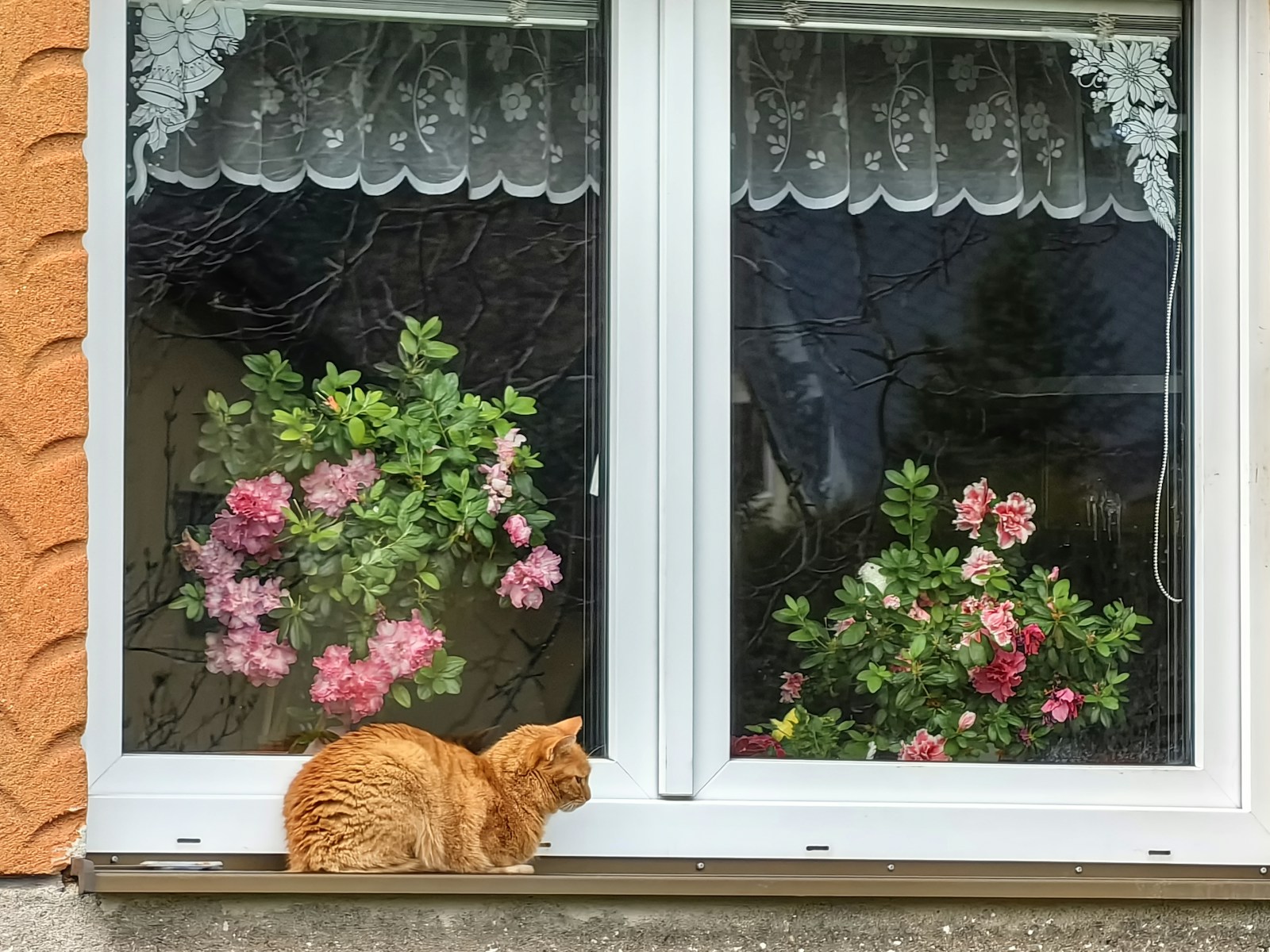
Across social media clips, advice forums, and reported features, a pattern emerges: persistent window meowing is rarely random. Whether the cat is warning about wildlife, begging to rescue vulnerable kittens, or simply protesting a perceived threat, the behavior often reflects a specific trigger that humans initially miss. Understanding what might be waiting on the other side of the glass can turn an annoying nightly chorus into a meaningful clue about a cat’s instincts, environment, and bond with its family.
The Viral Window Meow That Started It All
In the scenario that captured so much attention, the owner first noticed the cat pacing and vocalizing at the same window, night after night, as if something outside had locked its focus. At a glance, the yard looked empty, which made the behavior seem like a quirk or a phase, until the meows grew sharper and more insistent. When the owner finally moved closer and peered out, the surprise was not the noise itself but the realization that the cat had been tracking a specific presence just beyond the glass, a detail that had gone unnoticed by the humans in the room.
That dynamic, a pet apparently reacting to nothing until a closer look reveals the real target, mirrors a widely shared clip in which a man hears his cat crying at a window and only later understands why. In that case, the cat’s fixation turned out to be a wild animal outside, a twist that left the owner, in his own words, completely unprepared for what he saw. Coverage of that moment notes that the story drew significant engagement, with 37 key interactions highlighted around the clip and its reaction. The framing of that report, which refers explicitly to “Man Hears Cat Meowing,” “Window,” “Unprepared for What,” and “Outside,” underlines how a simple domestic sound can become a narrative hook when the outside world suddenly intrudes.
When A Cat Sounds The Alarm On Wildlife
One of the clearest explanations for relentless window meowing is that the cat has spotted another animal and is trying to raise the alarm. In a widely discussed example, a black cat was filmed standing behind a glass wall, staring fixedly and vocalizing at something just out of frame. The clip only makes sense when the camera pans to reveal a bobcat on the other side, pacing along the property line while the indoor cat continues to cry. The behavior looks like a mix of territorial challenge and anxious warning, a reminder that even indoor pets still respond strongly to wild neighbors.
That bobcat encounter, shared in a viral TikTok and later analyzed in more detail, shows how a cat’s apparently inexplicable fixation can be rooted in a very real threat or curiosity outside. The report on that video notes that the footage was captured in Apr, and it emphasizes how the black cat’s posture and repeated meows line up with classic signs of arousal and agitation. For owners, the lesson is straightforward: when a cat locks onto a specific spot outdoors and refuses to calm down, wildlife is a strong possibility, and the safest response is to keep the pet inside, secure doors and windows, and, if necessary, adjust outdoor lighting or cameras to monitor what the cat has already detected.
The New York City Cat Who Would Not Stop Until The Babies Were Safe
Not every window vigil is about danger to the household. In one New York City apartment, a cat named Baebo began meowing at the window with such persistence that his family could no longer dismiss it as random fussing. He returned to the same spot repeatedly, vocalizing and staring down toward the street, until his humans finally followed his gaze. Only then did they notice tiny kittens outside, clearly in need of help, huddled where they were easy for a cat to spot but easy for people to overlook from higher up.
Once the family realized what Baebo had been trying to flag, they intervened, bringing the kittens to safety and arranging care. A detailed account of that rescue describes how the indoor cat’s behavior shifted from agitation to calm once the babies were secured, reinforcing the impression that he had been trying to help rather than simply reacting to noise. The same report notes that the story unfolded in Dec and that the resident was a New York City local who initially underestimated the urgency of the meows. The piece, credited “By Alana Francis,” “Crow,” and marked as “Published,” also highlights the specific figure 57 in connection with the story’s reach, underscoring how strongly audiences responded to the idea of a cat acting as a rescuer.
Another Family, Another Window, More Kittens In Need
A similar pattern emerged in a separate case involving Erin and her family, who also began to notice their cat meowing out the window nonstop. At first, the noise blended into the usual household soundtrack, but the relentlessness of it eventually pushed them to investigate. When they finally looked closely at the area their cat was fixated on, they discovered vulnerable kittens outside, echoing the New York City story and reinforcing the idea that cats can be remarkably attuned to small movements and sounds that humans miss.
In that account, the family not only rescued the kittens but also chose to keep one of them, naming the second baby Lupin after a classic French character known for clever escapes. The report, which identifies the rescuer as “Erin and” her relatives and situates the events in Dec, notes that the kittens spent their early days in the home playing and cuddling together. Erin later reflected that without the original cat’s window meows, the babies might not have been found in time, a sentiment that has resonated with readers who now look at their own pets’ vocalizations with fresh attention.
When The Cat Outside Wants In
Sometimes the animal doing the meowing is not the resident pet at all but a visitor who has learned that windows are where humans appear. In one widely shared story, a stray cat began climbing up to a woman’s window every day, pressing close to the glass and vocalizing until someone inside responded. Over time, the pattern became impossible to ignore: the same cat, the same window, the same insistent cries, as if the animal had chosen that particular household as its best chance at a new life.
The woman later described how the visitor would linger, watching the family through the glass and returning even when shooed away, behavior that suggested both persistence and a certain trust. A detailed write-up of the case notes that the stray’s routine was documented in Mar and credits the narrative “By Alana Francis,” “Crow,” and “Published,” mirroring the byline structure seen in other cat rescue pieces. The account quotes the woman recalling that “He’d just be trying to get our attention and never really leave,” a line that captures how a simple daily ritual at a window can evolve into a relationship that ends with adoption.
Everyday Owners Grapple With Nightly Window Screams
For many cat owners, the drama is less about viral twists and more about sleep deprivation. One widely discussed advice thread centers on a guardian whose cat will not stop screaming at the window for four to five hours every night. The description is vivid: a loud, strained, rolled scream that continues even when the owner calls the cat to bed or tries to offer comfort. The poster notes that the animal seems unresponsive to soothing and that the pattern repeats for about four hours a night, raising concerns that something more than simple boredom is at play.
Commenters in that discussion suggest a range of possibilities, from outdoor animals triggering territorial anxiety to underlying medical issues that might be amplifying stress. The original post, shared in Nov, emphasizes that the cat’s cries are not the usual chatty meows but something more intense, which several responders interpret as a sign that the animal may be reacting to a specific trigger outside or experiencing discomfort. For owners facing similar situations, the thread highlights two parallel priorities: investigate environmental causes, such as neighborhood cats or wildlife, and consult a veterinarian to rule out pain or cognitive changes that can manifest as nighttime vocalization.
Why Some Cats Yowl When They See Their Humans Outside
Not all window meowing is about other animals. In some households, the loudest protests begin when the cat spots its own human outside the house. One advice seeker described how their indoor cats start meowing or yowling as soon as they see the owner in the yard, as if the sight of a familiar person beyond the glass is more upsetting than any passing squirrel. The behavior can look like separation anxiety, but it also reflects how indoor pets map safety and territory.
Respondents in that discussion point out that many indoor cats view the home as the safe core of their world and may see the outdoors as unpredictable or threatening. When their primary caregiver steps outside that perceived safe zone, the cats may vocalize to call them back, a kind of alarm rooted in attachment rather than fear of the person. One commenter summarized the dynamic by saying that They are probably a little scared of the outside world and want the human to come back inside where it is safe. The same thread underscores that Indoor cats, in particular, may be more prone to this reaction, since their experience of the outdoors is limited to what they see through glass.
How Viral Clips Shape What Owners Notice
Social platforms have turned window-meowing episodes into a recognizable genre, where a short video of a cat crying at the glass often ends with a reveal of what is outside. One such clip, shared by a user posting under the handle @beautynthebean, shows a cat fixated on a specific spot beyond the window, its body language tense and its voice unrelenting. The framing invites viewers to guess what the animal has seen, priming them for a twist when the camera finally shifts to the scene outside.
These short videos do more than entertain. They train audiences to look more closely at their own pets’ behavior, to assume that a persistent meow might have a concrete cause. The @beautynthebean clip, accessible through TikTok, fits into a broader trend in which everyday pet moments are documented and dissected in real time. That same culture of constant recording has also exposed less heartwarming realities, such as a case where a cat owner rushed home early from a trip after a pet camera showed a sitter mishandling the animals and eating food meant for their own pets. In that instance, the footage, later detailed in a report on a pet cam, reinforced how technology now mediates the relationship between humans, their cats, and the spaces between them, including windows and doors.
From Cucumbers To Neighbor Cats, The Triggers We Overlook
Even when there is no bobcat or abandoned kitten outside, cats can react dramatically to small changes in their environment. A wave of viral clips has shown pets leaping in terror at the sight of cucumbers placed behind them, a phenomenon that puzzled many viewers. Behavioral explanations suggest that the sudden appearance of a long, unfamiliar object in a cat’s blind spot may mimic the outline of a snake, triggering a startle response that sends the animal bolting away from the offending vegetable.
What Owners Should Do When The Meowing Will Not Stop
Supporting sources: Why Are Cats, neighbor’s cat keeps.
More from Willow and Hearth:
Leave a Reply