A tiny puppy sprinting back to the same shadowy corner of a shelter kennel looks, at first, like a simple quirk. For experienced rescuers, it is a flashing signal that something in that space feels safer than the rest of the world. When a volunteer finally kneels down and looks closely at what the pup is guarding, the scene often reveals a hidden story of fear, loyalty and survival that is far bigger than the concrete walls around them.
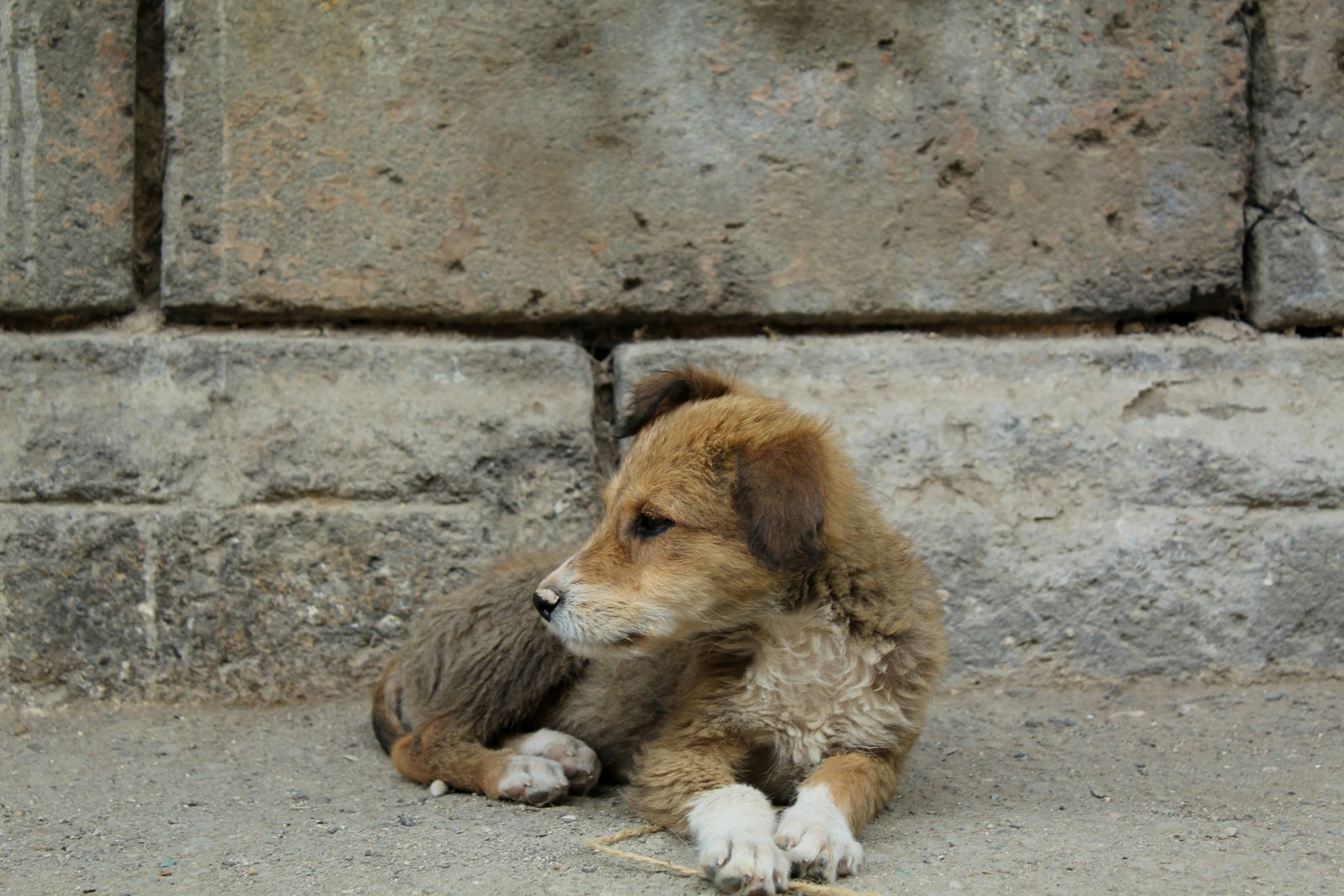
Across rescue groups and online communities, similar scenes repeat: a dog glued to a corner, refusing to move, until someone patient enough sits on the floor and listens to what that behavior is trying to say. The moment a volunteer sees what is tucked beside that puppy, or understands why that corner matters, can change the course of a life.
The puppy who would not leave the corner
In one widely shared rescue story, a young Puppy had wedged herself into the farthest corner of a bare enclosure and simply stayed there. Volunteers watched her dart out only to snatch food or water before racing back to press her body into the wall, as if the rest of the room were dangerous ground. The pattern was so consistent that staff began to worry there was more at stake than shyness, especially when she ignored toys and soft bedding placed in the open.
The breakthrough came when a volunteer followed the pup’s gaze and finally crawled into that cramped space. Tucked against the concrete was a small pile of objects that clearly mattered to her: a scrap of blanket that smelled like home, a chewed piece of plastic, and a spot where she had scratched the floor smooth. In similar footage of a dog labeled Puppy Hid In, rescuers describe how a dog clung to a corner as if it were the last place that still held the scent of her person. The hidden “treasure” in that corner was not a dramatic object, but the only patch of floor that still felt like a link to the life she had lost.
What the corner really means to a frightened dog
To human eyes, a dog plastered to a wall can look stubborn or “guilty,” but behavior specialists see a textbook coping strategy. Guidance on Hiding notes that retreating to tight spaces can be either a harmless preference or a sign of deeper stress, anxiety or illness, depending on the context. In noisy shelters, corners offer a physical barrier on two sides and a clear view of anyone approaching, which can feel safer to an animal that has learned the world is unpredictable.
Online advice for guardians who ask why a dog suddenly chooses a corner, such as one Help the thread, stresses that new hiding behavior often follows a specific trigger, from household changes to frightening sounds. When a puppy repeatedly returns to the same spot, it is rarely random. That corner may be cooler, quieter, or simply the first place she discovered where no one forced her to move. For a dog who has had choices taken away, claiming that small triangle of space can be an act of self-preservation.
From shut down to first steps: how volunteers break the spell
Transformations usually begin not with leashes or treats, but with someone willing to sit on the floor and wait. In a widely viewed clip labeled Video Transcript, a rescuer quietly asks, “Can I come in and sit down with you?” before edging into a kennel where a dog is frozen in the corner. The person keeps their body turned sideways, avoids direct eye contact and sets a treat on the floor without pushing it toward the dog, giving the animal control over every inch of movement.
Another post that begins, “In the corner of the shelter, she waited,” describes a dog who had reduced her world to a blanket and a worn toy. Days of patient visits, where volunteers simply sat nearby and read aloud, eventually coaxed her to stretch her neck forward, then place one paw outside the corner, then another. Those first hesitant steps are not just cute moments for social media. They are evidence that the dog is starting to believe that the space beyond her chosen wall might be safe again.
When hiding is a red flag, not just a quirk
Not every dog who tucks into a corner is in crisis, but certain combinations of behavior should make any caregiver pause. Veterinary behavior guidance on Red Flags warns that withdrawal paired with growling, stiff posture or snarling can signal a serious underlying problem that will not resolve on its own. A puppy who hides, refuses food and reacts defensively when approached is not being “dramatic”; she may be overwhelmed, in pain or both.
Broader advice on Key Takeaways about hiding behavior notes that while some dogs simply enjoy quiet dens, sudden changes can point to anxiety or medical issues that require a veterinarian’s input. For shelter puppies, the line between normal caution and dangerous shutdown is thin. Staff who see a dog repeatedly running into corners, circling and seeming disoriented, as described in one How discussion, are urged to rule out neurological or sensory problems before assuming the issue is purely emotional.
Fear, trauma and the long shadow of past homes
Many corner dogs are not blank slates. They arrive with histories that explain why a strip of wall feels safer than any human hand. In one case shared in a Comments Section, a foster described a “Poor pup” who had clearly “had a rough life” and spent days sitting in the corner of a room, too terrified to approach. Respondents emphasized that such dogs are often uncertain of everything, from the sound of a refrigerator to the feel of a collar, because their previous experiences taught them that new things usually hurt.
Rescue groups that specialize in difficult cases see similar patterns. One analysis of repeat surrenders, nicknaming these animals “Boomerangs,” notes that Well over time, some dogs bounce between homes because early trauma was never properly addressed. For a puppy who has already been “rescued” once by people who cut corners on training or veterinary care, the corner of a shelter kennel can feel like the only predictable place left. That history is invisible until a volunteer takes the time to see it.
Hidden responsibilities: puppies guarding more than themselves
Sometimes, what a dog is protecting in that corner is not a toy or a memory, but another life. In one striking roadside rescue, a couple driving near Fresno spotted a dog living in a ditch and initially assumed she was simply abandoned. Only when a rescuer climbed down did they see she was curled around a tiny puppy, using her body as a shield. The report described her as “Such a good mama,” and noted that dogs who have been forced to fend for themselves and their young in harsh conditions often remain wary of humans even after rescue.
That instinct to guard can show up in shelters too, when a young dog positions herself between a wall and a littermate or hovers over a single surviving pup. In the story of the corner-loving puppy, volunteers only realized she was not alone when they heard a faint squeak and discovered a smaller, weaker sibling pressed behind her. Similar roadside accounts, written By Alana Francis and others, underline how maternal or protective behavior can make dogs choose exposed, uncomfortable corners if that is where they can best keep watch over a vulnerable companion.
Patterns across shelters: the corner as a global coping strategy
Scroll through rescue videos and a pattern emerges: different dogs, different cities, the same posture in the same back corner. One clip of two small dogs who “belonged to” an owner who could no longer care for them shows a pair huddled together, with one labeled Rescue Dog Was, refusing to step forward even when the kennel door opens. Another account of an older dog named Sadie describes how she cried in the corner of her kennel while potential adopters walked past, drawn instead to bolder, front-row dogs.
In another social post that begins with “Days blurred together,” the dog’s entire world shrank to a blanket and a toy in that same back corner. These repeated scenes suggest that hiding is not a rare quirk but a common response to the stress of confinement. For shelter workers, recognizing the pattern early can mean the difference between a dog who slowly opens up and one who is written off as “unadoptable” because no one ever sees her true personality.
Why some dogs choose corners even in loving homes
Corner clinging is not limited to shelters. Guardians often report that a new or fearful dog gravitates to the back of a room, behind furniture or into a tight hallway. Advice pieces on Dog Hiding explain that sometimes dogs go off on their own, crouching behind furniture or in bedrooms in times of stress, because those spaces feel like safe dens. For a puppy fresh from a chaotic environment, the corner of a quiet living room can be the first place that is both enclosed and free from shouting or other animals.
At the same time, owners are urged not to dismiss sudden hiding as mere preference. The same Top guidance on Reasons Why They Hide and How To Deal With It notes that changes in routine, loud construction, new pets or even subtle health issues can push a dog to seek corners more often. For puppies like the one who kept racing back to her kennel wall, the behavior may start in a shelter but continue in a home until patient humans show her that soft beds, open doorways and laps can be safe too.
Helping a corner puppy feel safe enough to leave
For volunteers and adopters who meet a dog glued to a corner, the most effective tools are patience, structure and a willingness to see the world from floor level. Behavior guides on Keep an eye on hiding behavior emphasize observing patterns before intervening, then pairing the dog’s safe spot with calm voices, high-value treats and predictable routines. In practice, that can mean feeding meals just outside the corner, then gradually moving the bowl farther away as the dog’s confidence grows.
Stories of dogs like Sadie show how simple acts, such as a rescuer sitting in front of a kennel and talking softly, can make a corner dog feel seen instead of invisible. Clips where a handler asks, “Can I come in and sit down with you?” model a consent-based approach that respects the dog’s boundaries. Over time, those choices add up. The puppy who once sprinted back to the same corner may still glance at it when startled, but with the right support, she learns that the safest place in the room is no longer a strip of concrete, but the people who finally understood what she was trying to say.
Supporting sources: Rescue Dog Was, Watch the Moment, Watch the moment, Puppy Hid In, Why Is My, Woman Finds Dog, Why does my, Dog Hiding: Top, Warning Signs that, Old Shelter Dog, [help] Fearful foster, see your pet, Puppy Hid In, Woman Finds Dog, Watch the Moment, Rescue Dog Was, Old Shelter Dog, Watch the moment, Dog Hiding: Top, Why Is My, [help] Fearful foster, The Collies Dilemma.
More from Willow and Hearth:
Leave a Reply