On a quiet suburban street, a pit bull mix that neighbors once called “scary” suddenly planted her paws and refused to pass a single house, turning an ordinary walk into a daily standoff. The mystery only deepened as her owner tried coaxing, rerouting and even crossing the road, until a new neighbor finally stepped outside and explained what had really been happening behind that front door. The answer, it turned out, said less about danger and more about how dogs read the world, and why humans so often misread them in return.
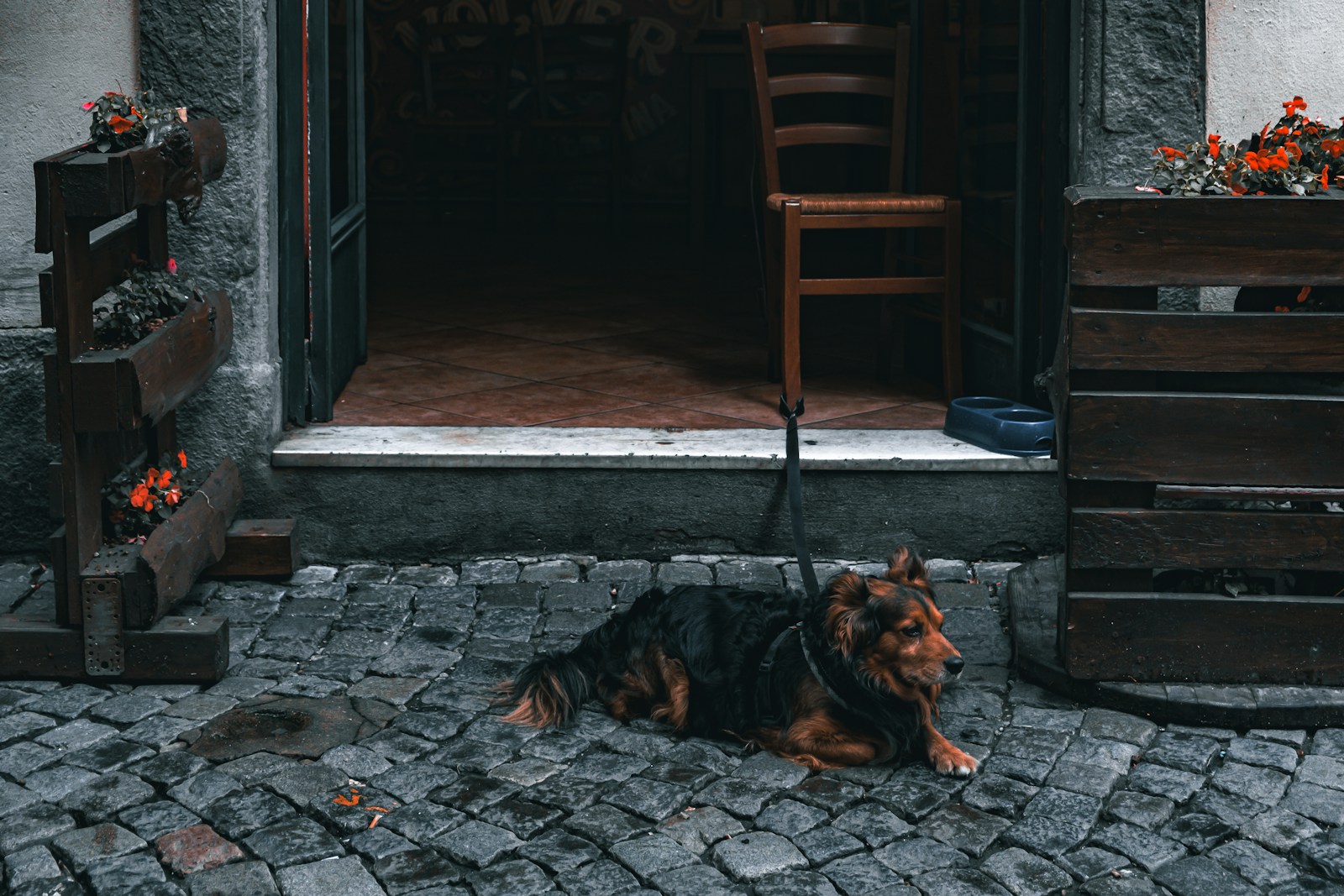
The story of one stubborn dog and one particular house opens a window into a much broader pattern of canine behavior, from fear and anxiety to learned shortcuts for getting what they want. It also shows how quickly a community can jump to conclusions about “dangerous” breeds, and how a simple conversation can reset the narrative.
The Walk That Suddenly Stopped
For weeks, Sophia’s evening routine with her pit bull mix, Dulce, followed the same script: leash clipped, front door closed, a steady loop around the block. Then, without warning, Dulce began to slow as they approached one specific property, finally stopping altogether and refusing to move. Neighbors who already saw Dulce as a “scary” dog watched her dig in at the edge of that yard, reading menace into a behavior that, to them, looked like a refusal to obey.
In a video shared by Sophia under the handle @dulcethepitmix, Dulce’s body language is unmistakable: muscles tense, paws braced, eyes fixed on the house she will not pass. The clip, which shows Jul walking alongside them, captures how calmly Dulce holds her ground, even as Sophia encourages her to keep going. Rather than lunging or barking, the pit bull mix simply refuses to advance, a reaction that fits what veterinarians describe when they note that many dogs will refuse to walk if they feel unsafe or have a history of trauma, a pattern outlined in guidance from Joi.
Why One House Became A Hard Line
From the sidewalk, the house itself looked unremarkable, but Dulce treated its property line like an invisible fence. Sophia tried crossing to the other side of the street, shortening the leash and even turning back to approach from the opposite direction, yet Dulce’s refusal remained absolute. To onlookers, it was easy to assume the dog sensed something sinister inside, or that the “scary” pit bull mix was gearing up for aggression.
Behavior specialists, however, often point to more ordinary triggers. One of the most common reasons dogs avoid going outside is fear or anxiety, and even subtle changes like new neighbors can cause stress, according to advice that notes how One of the key drivers is environmental change. A different car in the driveway, a new scent on the lawn or unfamiliar voices behind the door can be enough to convince a sensitive dog that a particular stretch of sidewalk is off limits, especially when that dog is already navigating the world under the weight of a breed stereotype.
The New Neighbor Steps Outside
The stalemate finally broke when a moving truck appeared in front of the house and a new neighbor began hauling boxes inside. As Sophia once again tried to coax Dulce forward, the newcomer paused, watching the dog’s rigid stance and the way she kept glancing at the front door. Instead of dismissing the behavior as stubbornness, the neighbor walked over and asked what had been going on, opening the door to a conversation that had been missing from the block.
In that exchange, Sophia explained that Dulce had always been friendly at home but had started freezing at this exact spot, and that some neighbors had begun calling her “scary” because of her size and breed. The new neighbor listened, then admitted that the previous occupants had kept a reactive dog inside, one that would bark and lunge at the window whenever Dulce passed. That detail echoed other accounts of tense sidewalk encounters, including one dispute where a Dog Owner was told to avoid a public road because of a Reactive pit bull that could not cope with passersby.
The Truth Behind Dulce’s Refusal
The neighbor’s explanation reframed Dulce’s behavior in an instant. Rather than a random quirk or a sign of aggression, her refusal to pass the house looked like a learned response to repeated confrontations with a dog that had been allowed to rehearse reactive behavior behind glass. Each time Dulce walked by, the other animal’s barking and lunging likely flooded the moment with stress, teaching her that the safest option was to stop short and avoid the trigger altogether.
That pattern aligns with what trainers and veterinarians describe when they talk about dogs who suddenly stop walking and will not move. Many dogs will refuse to walk if they anticipate something frightening ahead, and they can quickly associate a specific location with that feeling, as outlined in guidance that begins with the word Below. In Dulce’s case, the “scary” label said more about human bias than about her actual conduct, which had been a quiet attempt to avoid conflict rather than start it.
How Online Advice Frames Dogs That Refuse To Move
When a dog plants its paws, many owners turn to online communities for help, and the responses often reveal how people interpret similar behavior through very different lenses. In one widely shared discussion, commenters debated a dog that refused to walk home, with some insisting the animal was simply being manipulative and others urging a more cautious approach. The thread opened with a post that began, “Sounds like you need a thorough vet check,” before others chimed in with training tips and empathy.
That same conversation included practical suggestions such as, “Have you used treats?” and reminders that anxiety and fear can masquerade as stubbornness. For owners like Sophia, that kind of framing matters, because it encourages them to look for underlying causes, from pain to environmental stress, rather than assuming a dog is simply being difficult when it refuses to move past a certain point.
Training Through The Standoff
Once the neighbor revealed that a reactive dog had been rehearsing outbursts behind that front door, the question shifted from “What is wrong with Dulce?” to “How can she be helped to feel safe again?” Trainers often recommend pairing the scary location with positive experiences, using rewards to change the dog’s emotional response. In one step by step demonstration, a handler works with a dog named Kiki, showing how to move past a sticking point without dragging or pleading.
In that video, the trainer notes, “so Kiki is there I have got nothing in my hands okay Kiki let us go,” before producing a reward only after the dog offers a step forward, turning the treat into an actual payoff rather than a bribe. The clip, shared in early Feb, illustrates how careful timing and calm repetition can help a dog like Kiki, or Dulce, rebuild confidence around a once frightening spot. For Sophia, similar techniques, combined with the knowledge that the reactive dog was gone, offered a roadmap to turn that dreaded house back into just another stop on the evening walk.
When Neighbors And Dogs Collide
Dulce’s story also sits inside a larger pattern of neighborhood tension around dogs, sidewalks and perceived safety. In one widely discussed dispute, a woman walking her dog along a public street was confronted by a resident who insisted she stop using that route because of a reactive pit bull inside his home. The confrontation escalated into a demand that she avoid the entire block, even though she was using a Public Road Just a dog that could not handle passersby.
That clash mirrors the dynamic on Sophia’s street, where Dulce’s quiet refusal to move was interpreted through the lens of fear about pit bull mixes rather than concern about the reactive animal behind the window. In both cases, the burden was placed on the dog that was simply walking by, rather than on the household that had not yet addressed its own pet’s behavior. The new neighbor’s honesty about the previous dog’s reactivity helped reset that balance, acknowledging that Dulce had been responding to a real problem, not inventing one.
Dogs That Choose Their Favorite Doors
Not every doorway that draws a dog’s attention is tied to fear. Sometimes, the pull is pure enthusiasm, especially when a particular house has become synonymous with treats or affection. In one viral account, a woman described how a neighborhood dog “just busts in the house like he has a warrant,” racing straight to her kitchen as if it were his own. The scene, captured in a story written By Ashley Ortiz, shows the animal trotting through the open door with the confidence of a regular customer.
That dog’s behavior is the mirror image of Dulce’s refusal. Where Dulce stopped short of a house associated with stress, the kitchen invader had learned that a particular door meant snacks and attention. The contrast underscores how quickly dogs map their surroundings into zones of comfort and concern, and how their choices at each threshold, whether to freeze or to charge ahead, are shaped by the experiences humans create for them. For Sophia, understanding that Dulce’s hard line at one property was rooted in past encounters, not random stubbornness, made it easier to replace that association with something closer to the joy of a dog who knows exactly which door leads to the good stuff.
Rebuilding Trust On The Sidewalk
With the reactive dog gone and a more understanding neighbor in place, Sophia began the slow work of helping Dulce reclaim the sidewalk. Experts often suggest breaking the route into smaller segments, walking short distances and turning back before the dog becomes overwhelmed. One guide on walking problems recommends keeping routes manageable and ensuring that dogs have comfortable walking gear, advice captured in a section that asks, “Why Does My to Walk?” and emphasizes gradual progress.
For Dulce, that meant approaching the once dreaded house in stages, rewarding each calm step and retreating before anxiety spiked. Over time, the absence of barking from inside and the presence of a friendly face on the porch helped overwrite the old script. Sophia’s experience, like the advice from veterinary and training sources, suggests that when a dog refuses to pass a particular house, the solution is rarely to drag them forward. Instead, it is to listen to what that refusal is saying about their past, their environment and the people, or animals, waiting on the other side of the door.
Supporting sources: ‘Scary’ Dog Refuses.
More from Willow and Hearth:
Leave a Reply