When a dog that once sprinted to the door suddenly hangs back, owners often chalk it up to a bad mood or a passing phase. In reality, a change in how a dog greets the people it loves is one of the clearest early warnings that something in that animal’s body, mind, or environment has shifted. Paying attention to that quiet moment at the threshold can reveal pain, illness, stress, or depression long before more dramatic symptoms appear.
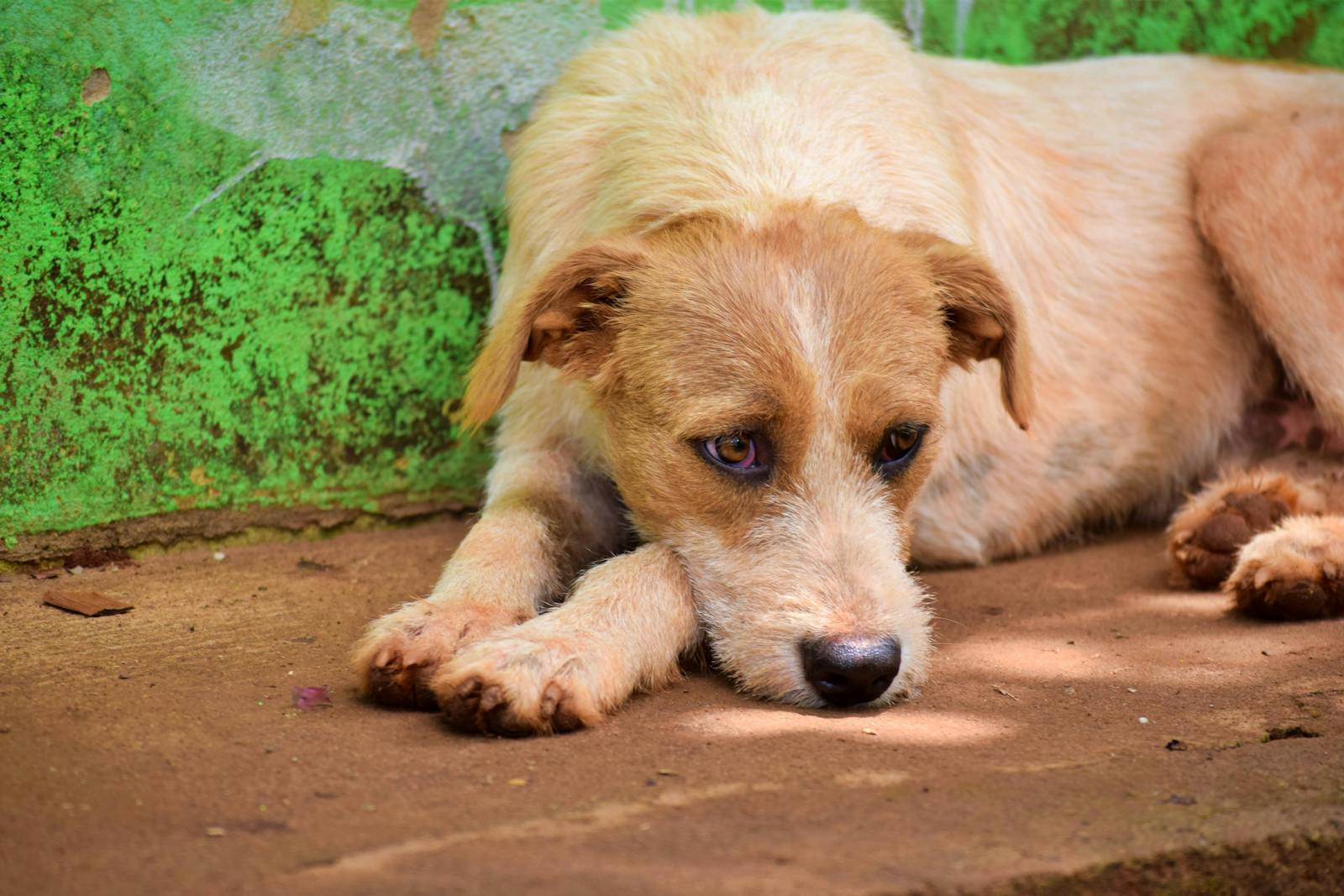
Instead of treating a missing welcome as a snub, behavior specialists urge owners to see it as information. Dogs rely on routine and repetition, so when a familiar pattern like the daily reunion disappears, it usually reflects a concrete cause rather than random attitude. Understanding what that change might mean is the first step toward helping the dog feel safe and connected again.
When a missing greeting really matters
For most companion animals, the daily hello is not a trivial quirk, it is part of a deeply ingrained routine. Experts note that Dogs are creatures of habit, and They build predictable patterns into their lives, including how they greet people at the door. When that pattern suddenly disappears, it is often one of the first behavior changes that signals discomfort, anxiety, or a medical problem rather than simple stubbornness.
Because greeting is such a reliable ritual, its absence can be more informative than a single accident on the carpet or a one-off bark at a stranger. A dog that used to leap up, wiggle, or bring a toy but now stays on the couch is communicating that something about moving, social contact, or the environment no longer feels good. That shift can point to pain, fear, or emotional withdrawal, and it deserves the same attention an owner would give to limping or vomiting.
From enthusiasm to avoidance: what “ignoring” really looks like
Owners often describe this change as a dog “ignoring” them, but the behavior is usually more nuanced than simple defiance. Veterinary behavior guidance on Ignoring explains that a dog may fail to respond to a recall, avoid eye contact, or turn away when a person enters the room, even if that same dog previously rushed over. In some cases, the animal will still track the owner with its eyes but choose not to get up, which can indicate that moving is uncomfortable or that past interactions at the door have become stressful.
Professionals also distinguish between a dog that is distracted and one that is deliberately disengaging. When a dog does not come when called, it might be focused on a scent, overwhelmed by noise, or confused by a new environment, as seen when Your Dog Is in a New Spot. Over time, however, consistent avoidance of greeting, especially in a familiar home, is more likely to reflect discomfort or emotional strain than simple distraction.
Physical pain: the hidden reason a dog stays on the couch
One of the most common medical explanations for a missing greeting is pain that makes standing, jumping, or walking to the door feel risky. Veterinary pain specialists emphasize that Pets cannot explain their discomfort in words, so owners must watch for subtle changes in behavior. A detailed list of Signs of pain highlights Physical Symptoms such as limping, reluctance to climb stairs, or changes in Mobility, all of which can make a dog think twice before trotting to the entryway.
Pain can also change how social a dog feels. Behaviorists describe Social Interaction Shifts in which hurting animals adopt an Avoidance Strategy. Dogs in pain may become less social, and They sometimes choose to stay in a quiet corner rather than risk being jostled at the door. When that withdrawal is paired with other subtle symptoms like altered appetite or labored breathing, as outlined in guidance on Altered health, a veterinary exam becomes urgent.
Emotional health: when depression flattens a dog’s welcome
Not every quiet greeting traces back to joints or muscles. Emotional health can also reshape how a dog responds when family members walk through the door. Veterinary behavior experts describe how When a pet seems sad and loses interest in the little things that once made life exciting, including greeting rituals, depression may be involved. These professionals note that animals can become withdrawn, sleep more, or appear disheveled when they are emotionally unwell, and that a veterinarian should rule out physical disease before confirming a mood disorder.
More detailed research into canine mood problems lists Key Depression Indicators in Dogs, including a loss of enthusiasm for play, food, and social contact. In one example, a Labrador Retriever that once greeted owners with exuberant tail wags might stop coming to the door at all. The same source stresses that these signs can overlap with chronic pain, so a thorough workup is essential to distinguish emotional distress from an undiagnosed medical condition.
Stress, training history, and the “distant” dog
Beyond pain and depression, stress and past experiences can also erode a dog’s desire to rush forward when someone arrives. Behavior specialists analyzing What can make a dog suddenly act distant point to Stressful experiences, illness and pain, and negative training methods that break a dog’s spirit. If a dog has been punished for jumping up or barking at the door, it may start to associate the owner’s arrival with correction rather than joy, leading to a more hesitant or absent greeting.
Training advice on What Does It reinforces that a dog giving the cold shoulder can be reacting to confusion, fear, or inconsistent cues. When owners alternate between encouraging exuberant greetings and scolding them, the animal may default to staying away to avoid making a mistake. In these cases, rebuilding trust with clear, positive reinforcement at the doorway can gradually restore a more confident welcome.
Why “unaffectionate” is often a medical red flag
Some dogs are naturally reserved, but a sudden shift from affectionate to aloof should always prompt a health check. A behavior consultant responding to a reader named Jim in Portland, OR, whose dog stopped greeting him, advised that Before any training changes, the first step should be a veterinary appointment. The reasoning is straightforward: if a dog has started to avoid touch or movement because it hurts, no amount of obedience work will fix the underlying problem.
Veterinary clinics that address mood and behavior problems echo this priority. One practice explains that Help Your Pet begins with ruling out physical illness and then using environmental enrichment, social contact, and sometimes medication to support recovery. Once pain and disease are addressed, many dogs that had stopped greeting their owners begin to re-engage on their own, suggesting that the “unaffectionate” label was masking a treatable condition.
Behavior is communication, not defiance
Modern trainers increasingly urge owners to interpret a missing greeting as a message rather than a personal slight. A widely shared reminder titled Calling All Pet emphasizes that Your dog is not “giving you a hard time,” They are having a hard time. Behavior is framed as communication, which means that a dog choosing not to come to the door is expressing a need, whether for rest, safety, or clearer expectations.
This perspective aligns with broader guidance on canine behavior that warns against assuming spite or stubbornness. Detailed explanations of Recalling problems, for example, highlight that a dog that does not respond may be confused, fearful, or physically unable to comply. When owners respond with punishment instead of curiosity, they risk deepening the dog’s reluctance to engage, which can further erode greeting rituals and other social behaviors.
How to respond when the welcome fades
Once an owner notices that a dog has stopped greeting them, the next steps should be deliberate and compassionate. Veterinary sources advise that When a pet seems sad or disinterested in former joys, a full physical exam is essential to determine whether pain, illness, or depression is the cause. If medical issues are ruled out or treated and the behavior persists, a qualified trainer or behaviorist can help rebuild positive associations with arrivals using gentle, reward-based methods.
At home, owners can make greetings less overwhelming and more predictable. That might mean approaching the dog calmly instead of bursting through the door, tossing a favorite toy a few feet away to invite movement without pressure, or using a cheerful cue that consistently predicts something good. Training resources on Bully Dog Training style approaches emphasize patience and clarity, which help dogs feel safe enough to re-engage. Over time, many animals that once stayed in the hallway begin to offer their own version of a welcome again, whether that is a full-body wiggle or a quiet tail thump from a comfortable bed.
More from Willow and Hearth:
Leave a Reply