A routine trip through a big-box self-checkout turned into an unlikely rescue story when a New England woman quietly shielded a tiny animal she had just found in the store. Only after she finished scanning her items did she reveal that every choice she made in that checkout lane was about keeping the fragile creature calm, safe, and out of harm’s way. Her split-second decisions, and the online reaction that followed, highlight how ordinary shoppers are increasingly finding themselves on the front lines of animal welfare in some of the most mundane places.
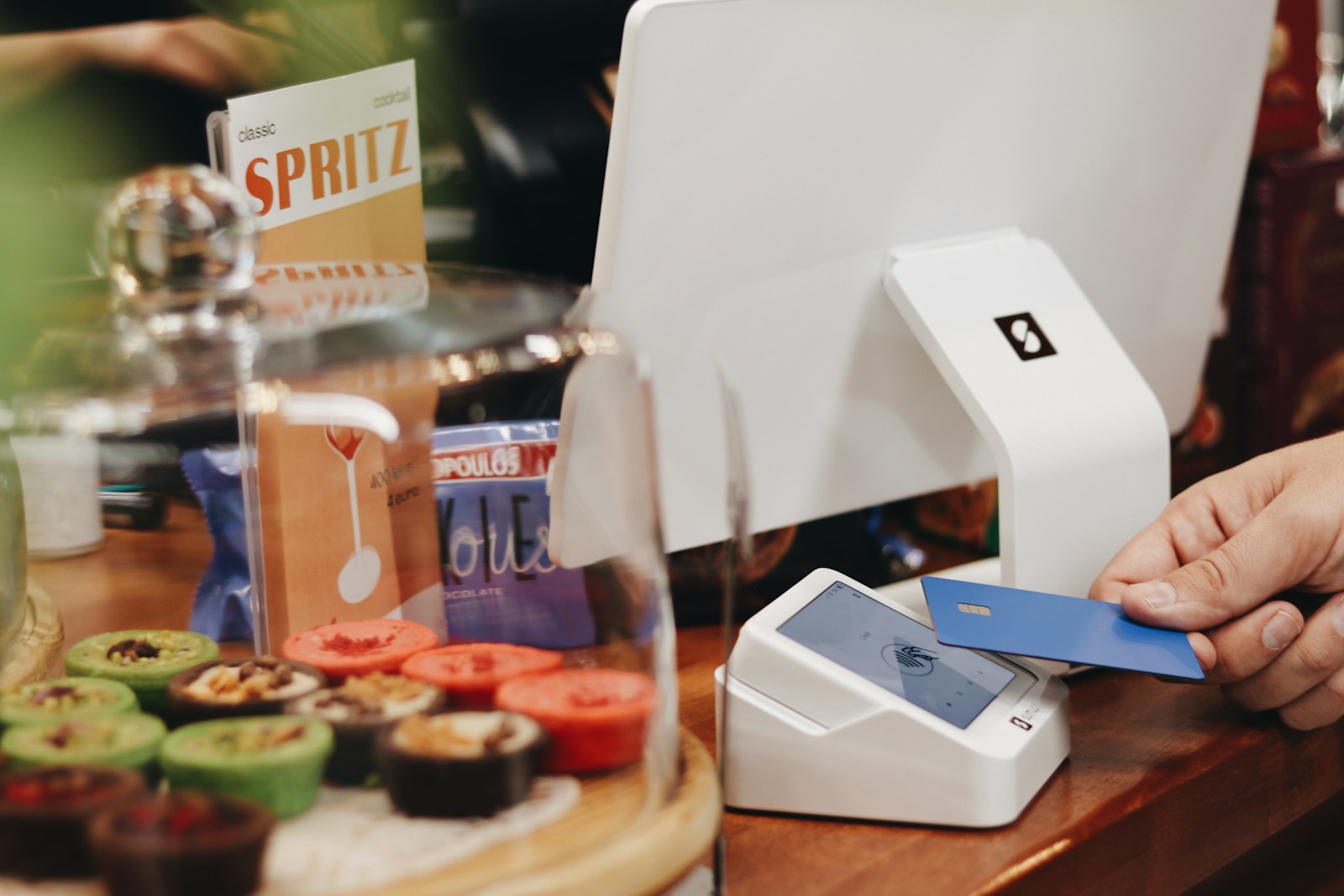
Her story lands at the intersection of two modern realities: sprawling retail spaces where wildlife can wander in or become trapped, and a culture in which every move at the register, especially at self-service kiosks, is scrutinized on camera and online. As debates rage over self-checkout etiquette and corporate loss-prevention tactics, this woman’s quiet intervention shows how compassion can still cut through the noise.
The quiet drama in a New England checkout lane
Witnesses described the New England woman as just another shopper at first, moving through a busy self-service area with a small basket and a focused expression. Only later did it become clear that she had already discovered a tiny animal inside the store and was trying to get through the line as quickly and calmly as possible so she could get the creature to safety. Her decision to head for self-checkout, rather than a staffed lane, was less about convenience and more about control: fewer people crowding around, less noise, and a better chance of keeping the animal from panicking in her hands or carrier.
Her actions unfolded in a familiar setting for millions of Americans, the fluorescent aisles and automated kiosks of Walmart. In that environment, where shoppers are usually urged to move quickly and keep lines short, she instead treated the checkout lane as a temporary safe corridor, adjusting her body to shield the animal from carts and curious glances. The moment she finally showed the tiny creature to others nearby, explaining that every step through the scanners had been about protecting it, the routine transaction suddenly looked more like a rescue operation that just happened to pass through a row of barcode readers.
Why self-checkout became part of the rescue plan
Self-checkout has become a flashpoint in retail culture, with some shoppers embracing the autonomy and others resenting the unpaid labor and heightened suspicion that can come with it. For this woman, the technology offered something different: a way to move at her own pace while keeping the rescued animal close and minimizing contact with strangers. Instead of handing items to a cashier or waiting in a long line, she could scan quickly, avoid jostling, and stay physically oriented around the small creature she was cradling. That choice echoed a broader pattern in which people use self-service tools not just for speed, but to manage sensitive situations on their own terms.
Online, the story of the New England woman’s checkout strategy circulated alongside other discussions of how shoppers navigate modern retail spaces, including commentary that explicitly referenced a New England shopper moving through Walmart self-checkout before revealing she was protecting a tiny creature. Commenters contrasted her quiet focus with more confrontational self-checkout clips, arguing that the same machines often blamed for dehumanizing retail can, in the right hands, give people space to act humanely. In that sense, the blinking kiosk and its robotic voice became an unlikely ally in a small act of care.
A tiny life in a giant store
Details shared online suggest the animal the woman found was small enough to be overlooked by most shoppers, yet vulnerable enough that a single misstep could have been fatal. In big-box environments, where pallets, forklifts, and heavy carts move constantly, a tiny creature can be at risk from every direction. The woman reportedly spotted the animal while navigating the aisles and made a quick calculation: leaving it where it was meant almost certain danger, while scooping it up meant taking responsibility for whatever came next, including the awkwardness of carrying it through checkout.
Her choice fits into a broader pattern of everyday people stepping in when they notice animals in distress in commercial spaces. In one widely shared account, a Woman heard panting in a shopping plaza and discovered an endangered animal stuck in a tree, then decided to commence a rescue rather than walk away. That story, told by Maeve Dunigan, underscores how quickly a casual errand can turn into a moral decision when a vulnerable creature appears in the middle of consumer life.
From Lots of Love Farm to a Walmart parking lot
The New England woman’s story also resonated because it arrived amid a string of animal rescues linked to large retail properties. In New Jersey, a wallaby named Rex bolted from Lots of Love on a Monday in late December and was quickly spotted near a Walmart on Black Horse Pike. The animal, far from its usual enclosure, drew attention from shoppers and staff who suddenly found themselves part of an impromptu search effort in a busy commercial corridor.
Local coverage described how the wallaby had escaped from Lots of Love Farm on a Monday in Dec and was eventually safely returned to the farm after being located near the store. That incident, like the New England woman’s quiet intervention, showed how quickly a routine retail setting can become the backdrop for a rescue, with shoppers and nearby organizations such as Atlantic Coast Gymnastics in Williamstown stepping in to help track down Rex.
“If this just didn’t become the best night ever”
In the New Jersey wallaby case, the emotional payoff was captured in a jubilant social media post from the people who helped bring Rex home. One rescuer wrote, “If this just didn’t become the best night ever! With the help of some really cool kids and a really cool dad. We caught Rex at the shopping center,” a sentiment that turned a stressful search into a shared victory. That quote, preserved in coverage of the Dec rescue, underscored how children, parents, and bystanders can quickly become a coordinated team when an animal is at stake.
That same spirit of improvised teamwork hovered around the New England woman’s checkout moment, even if her actions were quieter and more solitary. Once she revealed the tiny creature she had been protecting, other shoppers reportedly shifted from impatience to curiosity and support, mirroring the way “really cool kids” and a “really cool dad” rallied around Rex. In both cases, a commercial hub that usually revolves around buying and selling briefly became a stage for community care, with strangers united by the simple goal of getting an animal out of danger.
Viral clips, trolls, and the scrutiny of doing good in public
Stories like the New England woman’s rescue do not unfold in a vacuum; they land in an online environment where every public act can be recorded, praised, or mocked. Celebrities have long been targets of that scrutiny, as seen when a veteran actor from The Thorn Birds faced a wave of criticism for her appearance in a recent video and then publicly pushed back at the trolls. Coverage of that backlash sat alongside lighter entertainment pieces about Celebrity Homes That and other lifestyle fare, illustrating how quickly serious and trivial commentary can blur together in the same feed.
The same outlet later highlighted how Lila Moss marked her mom Kate Moss’ birthday with a sweet tribute, and how a story from San Diego sat just a scroll away from the trolling controversy. Against that backdrop, the New England woman’s decision to focus on the animal rather than on how she might look on camera feels even more pointed. She acted first and explained later, trusting that the sight of a tiny rescued creature would speak louder than any potential criticism of how she moved through the self-checkout line.
When kindness and suspicion collide at the scanners
Self-checkout has also become a stage for less altruistic behavior, and retailers have responded with aggressive monitoring. In one viral clip, a shopper named Nesha filmed herself at a Walmart kiosk, panning the camera to show an employee who covered her mouth as she laughed. The video then revealed that, even though the worker laughed, she still alerted security, a reminder that staff are under pressure to treat self-checkout as a potential loss-prevention zone. That same report noted that Walmart had signed a $3 million deal with Digimarc, a company whose technology can help detect scanning irregularities.
In that climate, the New England woman’s decision to move briskly but calmly through self-checkout while cradling a tiny animal could easily have been misinterpreted as suspicious if someone had focused only on her body language. Instead, once she revealed the creature and explained that her priority had been to keep it safe, the same environment that often breeds mistrust became a place of empathy. Her story, shared alongside other self-checkout narratives on platforms that also host a battle of opinions about modern retail, shows how context can flip a narrative from “what is she hiding” to “look what she saved.”
Everyday heroes in parking lots and plazas
Beyond the walls of big-box stores, parking lots and shopping plazas have become frequent backdrops for animal rescues that start with a single person paying attention. The woman who heard panting in a plaza and found an endangered animal stuck in a tree did not have specialized training or equipment, yet she decided to commence a rescue because the alternative was to leave the animal to an uncertain fate. Her story, told in detail by Story author Maeve Dunigan, echoed through social media feeds where people debated what they would have done in her place.
Similarly, the search for Rex the wallaby unfolded in a shopping center near Williamstown, where families and local organizations joined forces to track the animal’s movements and guide him back toward safety. Coverage of the missing wallaby emphasized how Atlantic Coast Gymnastics in Williamstown assisted with locating Rex, turning a local business into an unexpected partner in wildlife rescue. The New England woman’s checkout moment fits neatly into that pattern: a person on an errand, confronted with a vulnerable animal, choosing to act rather than assume someone else will handle it.
What the New England woman’s choice says about shoppers now
As the New England woman’s story spread, it was often framed as a small but telling example of how shoppers are renegotiating their roles inside giant retail ecosystems. She was not just a consumer moving through a queue; she was a caretaker making tactical decisions about where to stand, how fast to scan, and when to speak up, all while holding a tiny life in her hands. Her actions echoed other narratives circulating on culture sites that juxtapose everyday financial stress, like a Woman with only $22 at a birthday brunch, with moments of unexpected generosity or courage.
Commenters also drew parallels between her and the unnamed You and She referenced in other viral anecdotes, suggesting that these composite figures of “the woman at the store” or “the person in line” have become stand-ins for how people imagine themselves under pressure. In that sense, the tiny creature she protected was more than just an animal; it was a test of what kind of shopper, and what kind of neighbor, someone chooses to be when no one is officially in charge and the only authority is a blinking self-checkout screen.
More from Willow and Hearth:
Leave a Reply