Spirit animals have moved from folklore to personality quizzes, but the idea behind them is older and more structured than most memes suggest. Instead of random matches, many modern systems link specific animals to birth periods, arguing that the season someone arrives in the world shapes their instincts, strengths, and blind spots. Read through the months and it can feel strangely precise, as if the animals are quietly narrating the way people already move through their lives.
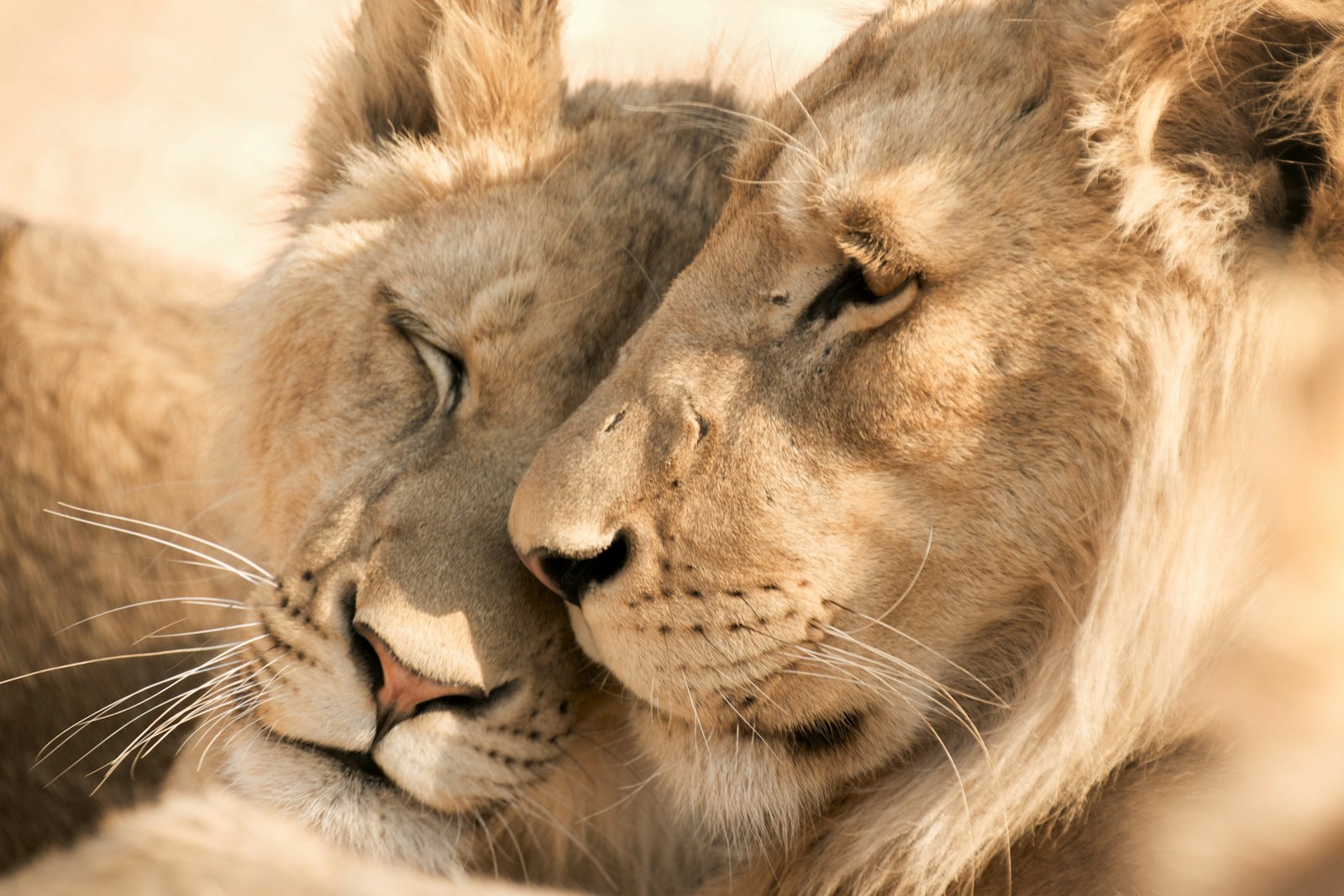
Unlike traditional horoscopes, these birth‑month guides lean on concrete traits, pairing each time of year with a creature whose behavior mirrors human patterns of loyalty, ambition, or emotional depth. The result is a framework that feels playful on the surface but can double as a sharp personality mirror, especially when the same themes repeat across different animal totem traditions.
How Birth‑Period Spirit Animals Actually Work
Modern spirit‑animal charts rarely pick creatures at random. They start with a clear structure, listing a Birth Period, a matching Spirit Animal, and a short set of Personality Traits that define how that animal tends to move through the world. One widely shared table, labeled “📅 Spirit Animals According to Birth Date,” explicitly organizes people by Birth Date and then assigns each range a symbolic guide, treating the animal as shorthand for temperament, emotional style, and decision‑making patterns. The logic is simple: if a wolf, bear, or butterfly behaves in a consistent way in nature, the person linked to that animal is likely to echo some of those patterns in relationships, work, and conflict.
That same framework appears across several language versions of the chart, which repeat the same headings of Birth Period, Spirit Animal, and Personality Traits to keep the system consistent for readers in different countries. The English overview of these birth totems lays out the concept in accessible terms, while the German edition mirrors it for another audience, showing how the structure travels even when the surrounding explanations change. The result is a kind of personality taxonomy that treats animals as archetypes, not mascots, and invites people to test whether the listed traits actually match their lived experience.
Why Birth Month Feels So “Weirdly Accurate”
Part of the uncanny feeling comes from how these systems blend seasonal psychology with very specific animal behavior. The “📅 Spirit Animals According to Birth Date” table does not just say someone is “kind” or “strong.” It uses tightly drawn phrases such as “deeply emotional, loyal, spiritually connected” for one birth window and “transformative, mysterious, deeply intuitive” for another, then ties those clusters to animals known for similar qualities. When a person who has always been the emotional anchor in their friend group reads that their birth period is linked to a creature described as “deeply emotional” and “loyal,” it can feel less like a cold reading and more like a direct hit.
Writers who experiment with these charts have noticed that the matches can cut both ways, flattering and confronting at once. One analysis of birth animals points out that some pairings highlight conflict patterns, such as people whose totem is described as quick to challenge authority or prone to intense, all‑or‑nothing commitment in relationships, often leading to friction. That commentary, which builds on a detailed list of traits for each birth animal, helps explain why the system feels “weirdly accurate”: it is willing to name the habits that cause trouble, not just the ones that sound flattering on a dating profile.
January and February: Bear Season’s Quiet Power
Many birth‑date charts cluster winter arrivals around large, steady animals, and one of the most striking examples is the Brown Bear. In a detailed breakdown of the “📅 Spirit Animals According to Birth Date” table, a specific row lists a Birth Period that ends on the 21st and pairs it with the Spirit Animal “Brown Bear,” signaling a personality that is grounded, protective, and slow to anger but formidable when pushed. The same table format, with its clear Birth Period and Spirit Animal columns, appears in a Belgian edition that again highlights the Brown Bear for a range ending on the 21st, reinforcing the idea that early‑year births are linked to quiet strength rather than constant motion.
People who recognize themselves in this bear pattern often describe a mix of patience and stubbornness: they prefer stability, guard their inner circle fiercely, and may take a long time to change course once they have committed. The Belgian version of the chart, which repeats the “📅 Spirit Animals According to Birth Date” structure and explicitly lists “Birth Period: … 21 | Spirit Animal: Brown Bear,” underlines how central that image is for this slice of the calendar. By treating the Brown Bear as a winter totem in both the English and regional tables, the system suggests that those born in the cold months carry a kind of hibernating power, slow to start but hard to stop once fully awake, a pattern that many January and February personalities will recognize when they scan their birth period.
March and April: Transformative Spring Totems
As the calendar moves into spring, the tone of the spirit‑animal chart shifts from hibernation to transformation. One of the most evocative entries in the “📅 Spirit Animals According to Birth Date” table describes a birth window with Personality Traits listed as “Transformative, mysterious, deeply intuitive,” a cluster that immediately calls to mind animals associated with metamorphosis or nocturnal insight. The German edition of the chart repeats this exact wording under the same headings of Birth Period, Spirit Animal, and Personality Traits, suggesting that for people born in this slice of the year, change is not a disruption but a native language.
Those traits line up neatly with how many spring‑born people describe their own path: they pivot quickly, sense undercurrents in social situations, and often reinvent their careers or identities more than once. The German‑language breakdown of these transformative traits makes clear that this is not a minor footnote but a defining theme for the associated animal. In practice, that can look like the friend who always spots the hidden agenda in a meeting, or the colleague who quietly changes industries and somehow lands on their feet every time, mirroring the way certain animals shed skins, migrate, or shift roles within their group.
May and June: Social, Curious, and Restless Guides
Late spring and early summer entries in birth‑animal systems tend to emphasize curiosity, communication, and a low tolerance for boredom. Commentators who have mapped out these months often describe their animals as agile and mentally quick, pairing them with people who juggle multiple interests and thrive on new information. One longform exploration of birth animals notes that some of these totems are explicitly linked to relationship tension, because the same restlessness that fuels creativity can also make it hard to settle into routines, especially when a partner prefers predictability.
That tension is part of what makes the May and June matches feel so pointed. A blogger who reviewed a full list of birth‑month animals highlighted how one mid‑year creature is described as craving independence in every relationship, “often resulting in conflict” when others expect constant closeness. That observation, which builds on a detailed reading of the birth‑month chart, captures the double edge of these social totems: they are charming and quick to connect, but they guard their freedom fiercely, much like the birds, foxes, or other nimble animals often assigned to this part of the year.
July and August: Deeply Emotional Summer Protectors
In the heart of summer, the “📅 Spirit Animals According to Birth Date” table leans into emotional intensity and loyalty. One of its clearest entries lists Personality Traits as “Deeply emotional, loyal, spiritually connected,” tying a specific Birth Period to an animal that functions as a guardian figure rather than a lone wanderer. The English version of the chart presents this trio of traits as a defining signature, suggesting that people born in this window are less interested in casual ties and more focused on building a small, unshakable inner circle.
Those descriptors echo how many mid‑summer personalities operate in practice: they remember small details about loved ones, feel slights intensely, and often serve as the unofficial counselor in their social group. The detailed breakdown of these “deeply emotional” traits in the summer entry underscores that the linked animal is not just sentimental but “spiritually connected,” hinting at a strong intuition or sense of meaning that goes beyond day‑to‑day mood. For friends and partners, that can feel like a gift and a challenge: these are the people who will stand by someone through a crisis, but they will also notice when words and actions do not line up.
September and October: Analytical Autumn Watchers
As the year tilts into autumn, birth‑animal systems often pivot toward analysis and discernment. The broader framework that connects astrological signs to totem creatures, summarized under the heading “The Origins of the Zodiac and Spirit Animal Connection,” lists an Astrological Sign with its Dates and a matching Totem Ani, then describes how that animal’s instincts map onto human decision‑making. One of the most striking examples is the Wolf, which is explicitly labeled “Intuitive and loyal” for a specific sign and date range, capturing the mix of sharp perception and pack‑oriented loyalty that many early‑autumn personalities recognize in themselves.
That same table of Astrological Sign, Dates, and Totem Ani helps explain why September and October often feel like the season of quiet strategists. People linked to animals such as the Wolf are described as scanning their environment constantly, weighing risks before acting, and placing a high value on trust within their chosen group. The detailed description of the Wolf as “Intuitive and loyal” in the zodiac‑animal connection chart, which spells out the sign’s dates and totem, reinforces the idea that these months belong to people who notice everything, forget little, and rarely forgive a broken promise.
November and December: Intuitive Night‑Side Totems
Late‑year births are frequently tied to animals that operate in liminal spaces, from nocturnal hunters to creatures that thrive in harsh climates. In the “📅 Spirit Animals According to Birth Date” framework, these periods are often described with language that blends intuition and resilience, suggesting that people born as the year closes are comfortable navigating ambiguity. The English overview of these late‑year entries sits alongside other seasonal descriptions, making clear that this is not an afterthought but a distinct cluster of traits.
Commentary on birth animals notes that some of these end‑of‑year totems are associated with people who are hard to read at first but reveal a surprising depth once trust is established. A detailed personality breakdown of each birth animal points out that these intuitive types often carry a strong sense of purpose, even if they do not always articulate it openly. In daily life, that can look like the colleague who quietly steers a project through chaos or the friend who seems to know when to call just before a crisis hits, mirroring the way certain animals navigate darkness or extreme conditions with ease.
How Birth Animals Intersect With Zodiac Signs
Although birth‑month spirit animals and traditional astrology developed along different paths, modern guides increasingly weave them together. The table labeled “The Origins of the Zodiac and Spirit Animal Connection” explicitly aligns each Astrological Sign with its Dates and a corresponding Totem Ani, then layers animal symbolism on top of familiar zodiac traits. For example, pairing a sign’s analytical reputation with a bird of prey, or its nurturing reputation with a protective mammal, gives readers a second lens on qualities they may already know from horoscopes.
More from Willow and Hearth:
Leave a Reply