Ah, the age-old kitchen conundrum: dish sponges or dish brushes? Just when you thought the debate had simmered down, it’s back with a vengeance, and folks are absolutely horrified by the opinions flying around. It seems like every few months, someone stirs the pot (or the sink, in this case), igniting passionate discussions about what’s really lurking in our dish-cleaning tools. Spoiler alert: it’s not just leftover food particles.
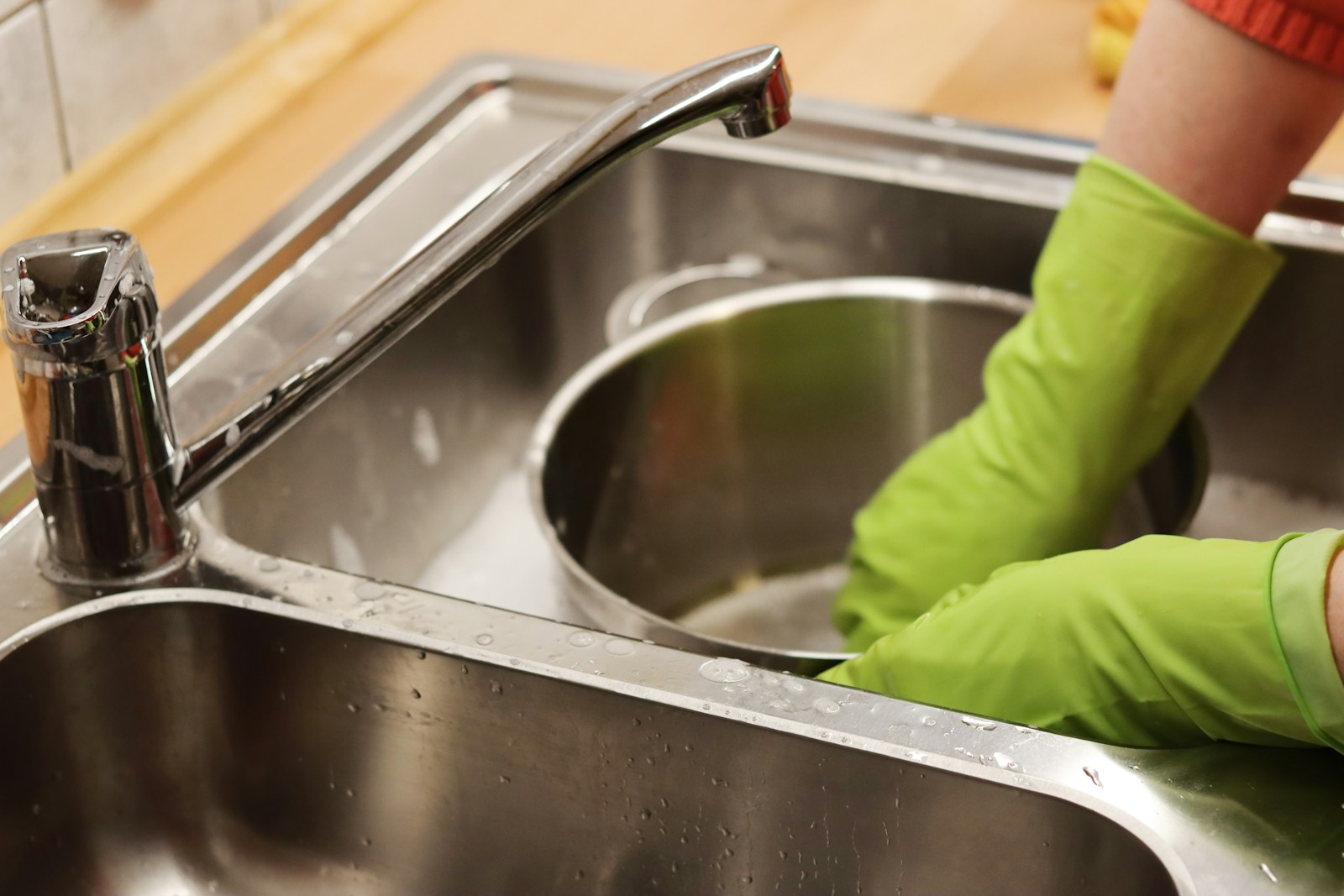
For the uninitiated, the dish sponge is your classic go-to for scrubbing plates, pots, and pans. They’re soft, absorbent, and can tackle even the most stubborn of baked-on messes with relative ease. On the flip side, we have the dish brush, which champions a more rigid approach. With stiff bristles designed to scrub away grime, they promise to add a little muscle to your cleaning routine. But are they really better? Cue the gasps!
The Sponge Side: A Comforting Familiarity
Let’s start with the sponge lovers. These folks swear by their sponges, claiming they’re not just tools, but trusty companions in the kitchen. There’s something undeniably comforting about the soft, squishy feel of a well-loved sponge. You can’t help but feel a bit nostalgic, like you’re channeling your inner 1950s housewife—complete with pearls and a perfectly organized kitchen.
But here’s where it gets interesting: sponges are notorious for holding onto bacteria. A study from the University of Florida found that sponges can harbor over 100,000 times more bacteria than a toilet seat. Yikes! That’s enough to make anyone shudder at the thought of giving their dishes a good scrub. Despite this, many sponge enthusiasts argue that with proper cleaning (hello, microwave and vinegar), they can keep their sponges in check and bacteria at bay. Who knew cleaning could be such a science project?
The Brush Brigade: Tough Love for Your Dishes
Now, let’s talk about the dish brush crowd. These folks are all about tough love. They argue that brushes are the superior choice because they’re typically more hygienic than sponges. After all, you can give them a good rinse and let them air dry—bacteria’s worst nightmare! Plus, they don’t tend to hold onto that funky smell that sponges sometimes develop. Who wants to scrub their favorite mug with something that smells like last week’s leftovers?
Brush advocates also point out that they can be more effective on certain materials. If you’ve got non-stick pans or delicate glassware, a brush can provide a gentler touch without risking scratches. It’s like the Goldilocks of dish-cleaning tools—just right for all your dishwashing needs. But, of course, there’s the argument that brushes can’t quite match the sponge’s absorbency. So, it really depends on what you’re cleaning.
The Horror: Personal Cleanliness Meets Kitchen Warfare
As the debate rages on, people are taking sides, and the horror stories are coming out. Some sponge lovers have recounted tales of their sponges mysteriously disappearing, only to be replaced with brushes that feel foreign and untrustworthy. Others have shared their experiences with brushes that leave behind small bits of bristle on their dishes, turning a simple cleanup into a scavenger hunt for rogue hairs. Seriously, who wants to fish a stray bristle out of their soup?
And let’s not forget the dramatic social media posts—complete with pictures of sponges versus brushes in a showdown that would make even the most seasoned reality TV producers envious. “Sponges are a breeding ground for disease!” one person wrote, while another countered, “Brushes are just glorified brooms for dishes!” It’s all a bit much, isn’t it? But that’s the beauty of the internet; it turns even the simplest topics into full-blown debates.
Finding Your Perfect Match
So, what’s the takeaway in this gritty kitchen drama? Ultimately, it boils down to personal preference and cleaning habits. If you’re a sponge person, maybe invest in a few that are made with antimicrobial properties or designate one sponge for your more delicate dishware. If you’re leaning toward brushes, look for ones that are easy to clean and dry quickly to minimize bacterial growth.
And hey, why not mix it up? Some people keep both on hand, using sponges for soaking and scrubbing, while brushes tackle the tougher jobs. It’s the best of both worlds!
More from Willow and Hearth:
Leave a Reply