Ah, parenthood. It’s a wild ride filled with joy, laughter, and those moments that make you want to pull your hair out. Just the other day, my kid came home in tears because of something another parent said. And let me tell you, it was like a punch to the gut. It’s one of those moments that makes you question everything from your parenting skills to your choice of friends. Sound familiar?
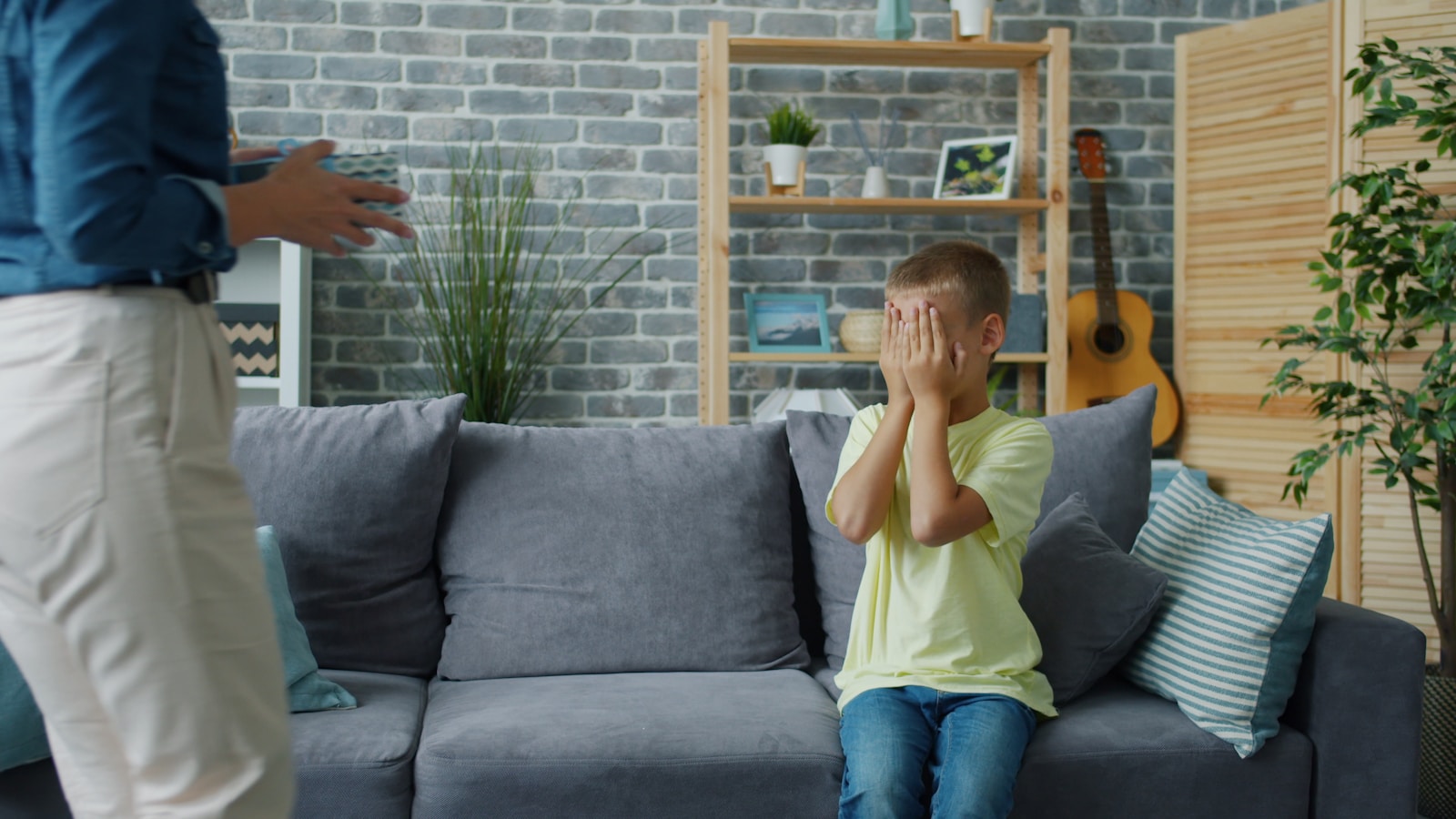
The Incident
So, here’s the story. My child, let’s call them Alex, was playing at a friend’s house when a well-meaning but slightly clueless parent made an offhand remark that hit way too close to home. They commented on Alex’s new shoes, saying something like, “Those are cute, but I bet they won’t last long. Kids are so rough on their stuff!”
Now, in isolation, that might seem like a harmless comment. But to a child sensitive about their belongings or struggling with self-esteem, it can feel like a stab to the heart. Alex came home, red-eyed and sniffling, and I could see the weight of those words pressing down. It made me think: how many times do we, as adults, forget the power our words hold?
Words Matter—Even From Parents
We often think of hurtful comments coming from kids. You know, those playground taunts that stick like gum on the bottom of your shoe. But it’s easy to overlook the impact we adults can have. Whether it’s a casual remark about shoes, clothes, or even a child’s abilities, words can linger longer than we realize.
As parents, we carry the responsibility of teaching our kids about kindness and empathy. But sometimes, in our attempts to be “realistic” or “practical,” we forget that kids are still figuring out their place in the world. A comment that seems innocuous to us can be a big deal to them. It’s like tossing a pebble into a pond; the ripples can extend far beyond the splash.
How to Handle It
So, what do you do when your kid comes home with a heavy heart? First off, listen. I mean really listen. Let them pour out their feelings without interruption. Validate their emotions by saying things like, “I can see why that upset you. It’s tough when someone says something that feels unfair.”
Then, here comes the tricky part—helping them put things into perspective. Kids are often their own worst critics. Remind them that not everyone understands the struggles they’re facing or how much they care about their stuff. You might say, “Sometimes adults say things without thinking. It doesn’t mean they’re right or that their words define you.”
Empowerment Through Conversation
This is also a good opportunity to talk about how to respond to hurtful comments. You could role-play a situation where Alex encounters a similar remark in the future. Encourage them to respond with confidence, maybe even a little humor. Something like, “Yeah, but they’re my favorite!” can turn a negative into a positive and disarm the other person. It’s about teaching resilience and the art of not letting others’ words dictate their self-worth.
Finding the Silver Lining
Now, let’s not forget to find a silver lining in all this. Maybe it’s an opportunity to strengthen your bond with your child. Or perhaps it’s a chance to teach them an important life lesson about kindness and empathy. After all, we’ve all been on the receiving end of a thoughtless comment at some point. It’s a rite of passage, really.
And who knows? Maybe the parent who made the comment just had a bad day or was trying to connect but missed the mark. It’s a reminder that we’re all human, and sometimes, we stumble. A little grace goes a long way.
Building a Supportive Community
Lastly, this incident reminded me of the importance of building a supportive community. Surrounding our kids with friends and adults who lift them up is crucial. It’s essential to choose playdates wisely and maintain open communication with other parents. If you feel comfortable, maybe you can have a gentle chat with the other parent. You might say something like, “Hey, I know you probably didn’t mean it, but that comment really upset my kid. Just wanted to make you aware.”
More from Willow and Hearth:
Leave a Reply