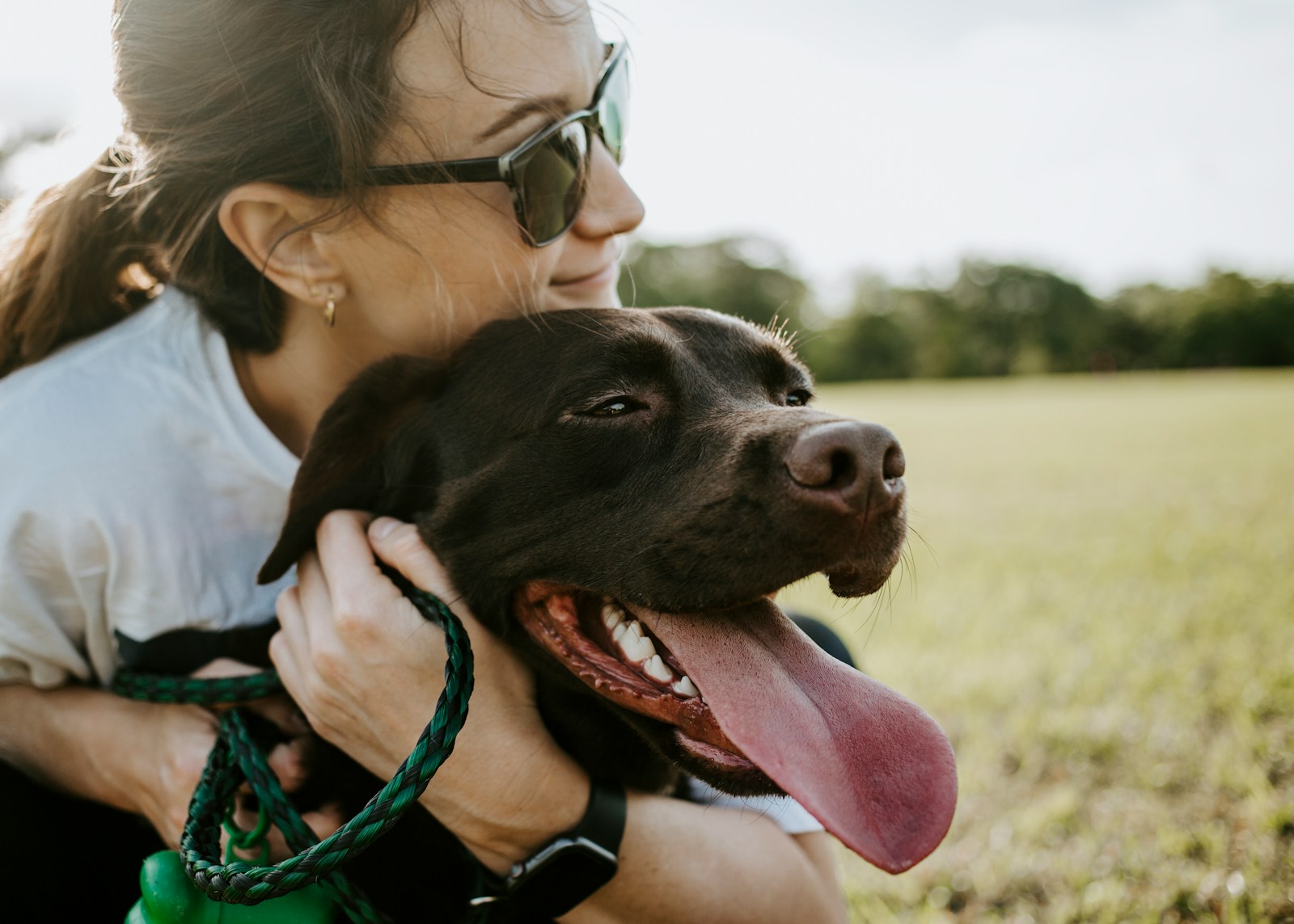
We all know that our furry friends can be a bit quirky. One minute they’re racing around the yard like they just spotted a squirrel, and the next, they’re giving you that adorable head tilt as if to say, “What’s for dinner?” But beneath all that cuteness, our dogs can’t always tell us when something’s off. It’s crucial to pay attention to those subtle changes in behavior or health. Here are seven small changes in your dog that should never be ignored.
1. Change in Appetite
Has your pup suddenly turned their nose up at dinner? Or maybe they’re inhaling their food like it’s the last meal on Earth? Either way, a shift in appetite can signal something’s not quite right. A decrease could mean anything from dental issues to digestive problems, while an increase might indicate stress or even diabetes. If your dog’s food bowl is collecting dust, or they’re acting like they just found a buffet, it’s time to consult your vet.
2. Unusual Thirst
Okay, so dogs love to drink water—who can blame them? But if you notice your pooch guzzling more than usual, that could be a red flag. Increased thirst can be linked to conditions like kidney disease, diabetes, or even Cushing’s disease. Keep an eye on how much water they’re drinking and when. If it seems like they’re trying to hydrate for an Olympic marathon, a trip to the vet might just be in order.
3. Changes in Bathroom Habits
Let’s talk about the “business” side of things, shall we? If your dog’s bathroom habits suddenly change—whether that’s more frequent trips outside or an unexpected accident in the house—don’t just brush it off. Changes in urination or defecation can indicate urinary tract infections, gastrointestinal issues, or even more serious health concerns. It’s not the most glamorous topic, but it’s vital to monitor.
4. Altered Energy Levels
We all have our lazy days, right? But if your usually bouncy dog seems unusually lethargic or, conversely, hyperactive, it could be a sign of something more serious. A sudden drop in energy levels might be linked to pain, illness, or even depression. On the other hand, a newly hyperactive dog could be experiencing anxiety or discomfort. Keep an eye out for those shifts; they may hold the key to your dog’s health.
5. Changes in Sleep Patterns
Dogs are champions at snoozing, but if your furry buddy starts sleeping more than usual or seems restless at night, it’s worth a closer look. Excessive sleeping can be a sign of illness, while constant pacing or whining can indicate anxiety or discomfort. If your pup’s nighttime shenanigans have taken a turn for the worse, it might be time to check in with the vet.
6. Skin and Coat Changes
If your dog’s coat suddenly looks less like a shiny, healthy mane and more like a neglected mop, don’t ignore it! Changes in their skin or coat can indicate allergies, parasites, or nutritional deficiencies. You might notice excessive scratching, redness, or bald spots. Not only is this uncomfortable for them, but it could lead to more significant issues if not addressed. A healthy coat is often a reflection of a healthy pup!
7. Behavioral Shifts
Dogs can be moody just like us—one minute they’re wagging their tails, and the next, they’re giving you the side-eye. If your dog becomes unusually aggressive, anxious, or clingy, it’s worth investigating. Behavioral changes can stem from pain, stress, or even changes in their environment. Dogs communicate so much through their behavior, so if something seems off, trust your gut. It might be time to chat with your vet or a dog behaviorist.
Wrapping It Up
Being a dog parent is a rewarding but sometimes challenging job. While it’s easy to get caught up in their antics, remember that small changes in your dog can signal larger issues. By keeping an eye on their appetite, thirst, bathroom habits, energy levels, sleep patterns, skin and coat, and overall behavior, you can be a proactive pet parent. Just like we check in on our friends when they’re not feeling their best, your pup deserves the same attention and care. So, grab that coffee, cuddle your pup, and stay alert for those little changes—they’re often the key to keeping your furry friend happy.
More from Willow and Hearth:
Leave a Reply