We’ve all been there: you’re lounging on the couch, a cozy blanket draped over your legs, and your furry companion is nowhere to be found. You call their name, maybe even shake a treat bag, but still, your cat remains in hiding. It’s puzzling, isn’t it? One minute they’re all up in your business, demanding attention, and the next, they’re ghosting you like you just committed a social faux pas. But here’s the kicker: sudden withdrawal in cats can sometimes signal more than just a mood swing.
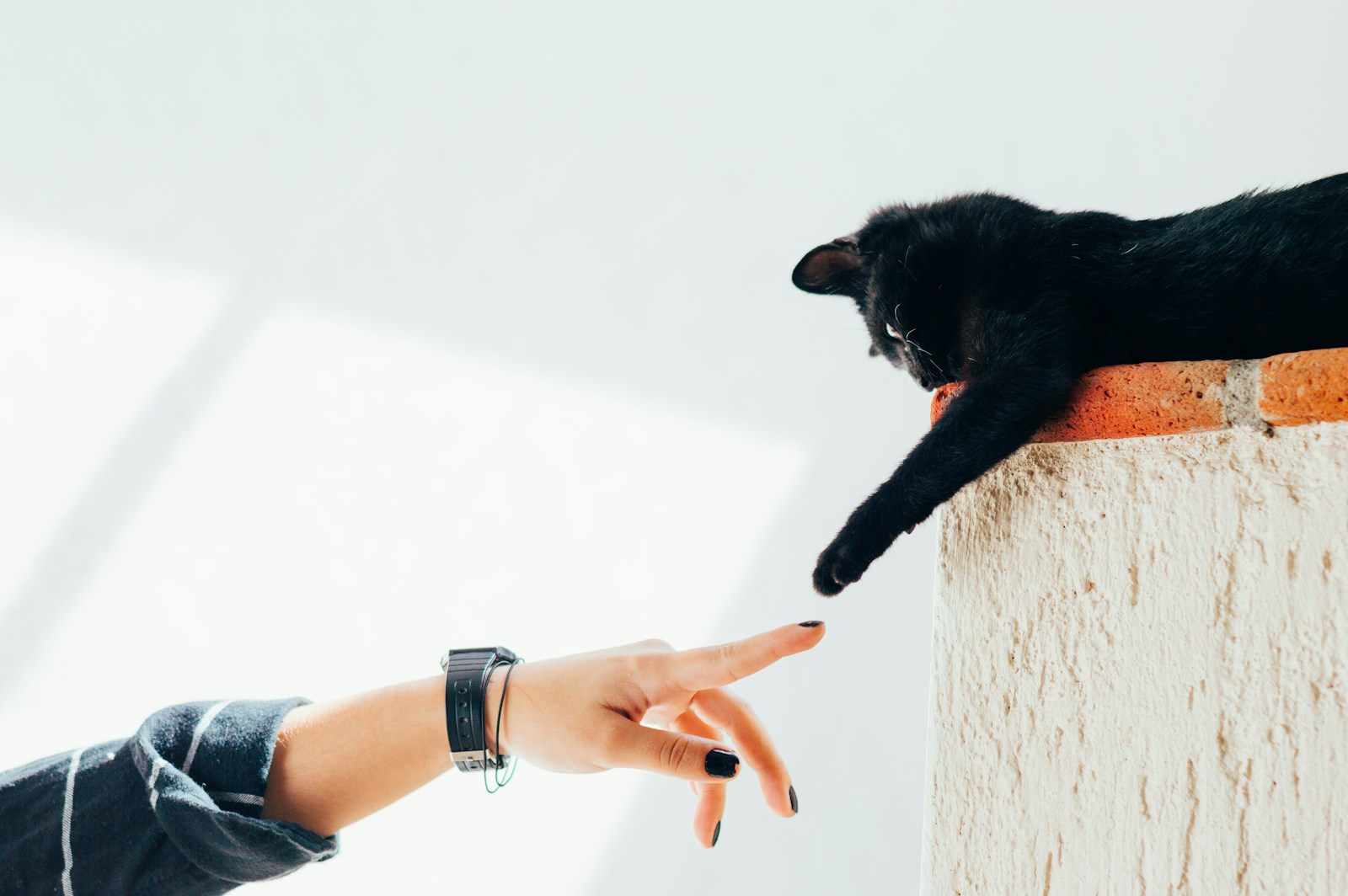
Understanding Cat Behavior
First off, let’s talk about how cats communicate. Unlike dogs, who wear their hearts on their sleeves (or, you know, their tails), cats can be a bit more mysterious. They express their feelings and desires through body language and behavior, and sometimes, that means they’re just in the mood for a little “me time.” Cats are known for their independent spirits, so a brief retreat to their favorite hiding spot isn’t usually a cause for alarm. However, if your normally social feline suddenly turns into a hermit, it might be worth investigating.
Possible Reasons for Withdrawal
There are a few reasons your cat might be pulling a disappearing act. One of the most common is stress. Cats can be sensitive creatures, and changes in their environment—like new furniture, a new pet, or even a change in your routine—can throw them off their game. They may retreat to process their feelings, which is their way of coping. Think of it like when you want to binge-watch your favorite show after a long day. Sometimes, we all need a little space to recharge.
Another culprit could be health issues. If your cat’s withdrawal is accompanied by other signs—like changes in appetite, litter box habits, or grooming patterns—it’s time to pay attention. Cats are notorious for hiding their discomfort, so a sudden change in behavior could indicate something more serious. It could range from a minor ailment to something that needs immediate medical attention. If you find yourself worried, it’s always a good idea to consult with your veterinarian. It’s better to be safe than sorry, right?
What to Look For
So, how do you know if your cat’s withdrawal is just a phase or something more concerning? Keep an eye on their overall behavior. Are they eating and drinking normally? Is their litter box usage consistent? Are they grooming themselves? If any of these things seem off, it might be time to investigate further. Also, watch for any other red flags like excessive hiding, aggression, or vocalization. If your gentle lap cat suddenly becomes a growling gremlin, that’s definitely a sign to take note of.
How to Help Your Feline Friend
If you suspect your cat is feeling stressed, there are several ways you can help them feel more at ease. Create a calm environment with cozy spots for them to retreat to. Think soft blankets, cardboard boxes (because who doesn’t love a good box?), or even a designated “cat cave.” Cats love feeling secure, so giving them a place where they can hide but still feel safe is important.
Another thing you can do is engage them in play. Interactive toys, feather wands, or even a simple laser pointer can work wonders. Not only does playtime help to strengthen your bond, but it also provides mental and physical stimulation. Plus, it’s a great excuse for you to get off the couch and move a little, too!
Don’t Forget the Vet
As much as we love to think we know our cats inside and out, they can be sneaky little creatures. If their withdrawal lasts more than a day or two, or if other symptoms arise, don’t hesitate to schedule a vet appointment. Trust me, they’ll appreciate you for it in the long run—once they’ve forgiven you for the carrier ordeal, that is.
Your Cat’s Wellbeing Matters
In the end, your cat’s sudden withdrawal might just be a quirky aspect of their personality, or it might signal something that needs your attention. Either way, being a cat parent means being tuned in to their needs, quirks, and moods. So when your fluffy friend decides to go MIA, take a moment to check in with them. After all, the best relationships thrive on communication—even if it’s mostly one-sided with our feline pals!
Remember, you know your cat better than anyone else.
More from Willow and Hearth:
Leave a Reply