The jacket was slumped on a rack between a puffy ski coat and a sequined blazer that looked like it had survived three decades of office holiday parties. The leather was creased, the lining peeked out at the cuff, and there was that unmistakable “thrift store patina” that can mean either charming history or a long afternoon with stain remover. I picked it up anyway, mostly out of curiosity, and immediately thought, “Nope, too far gone.”
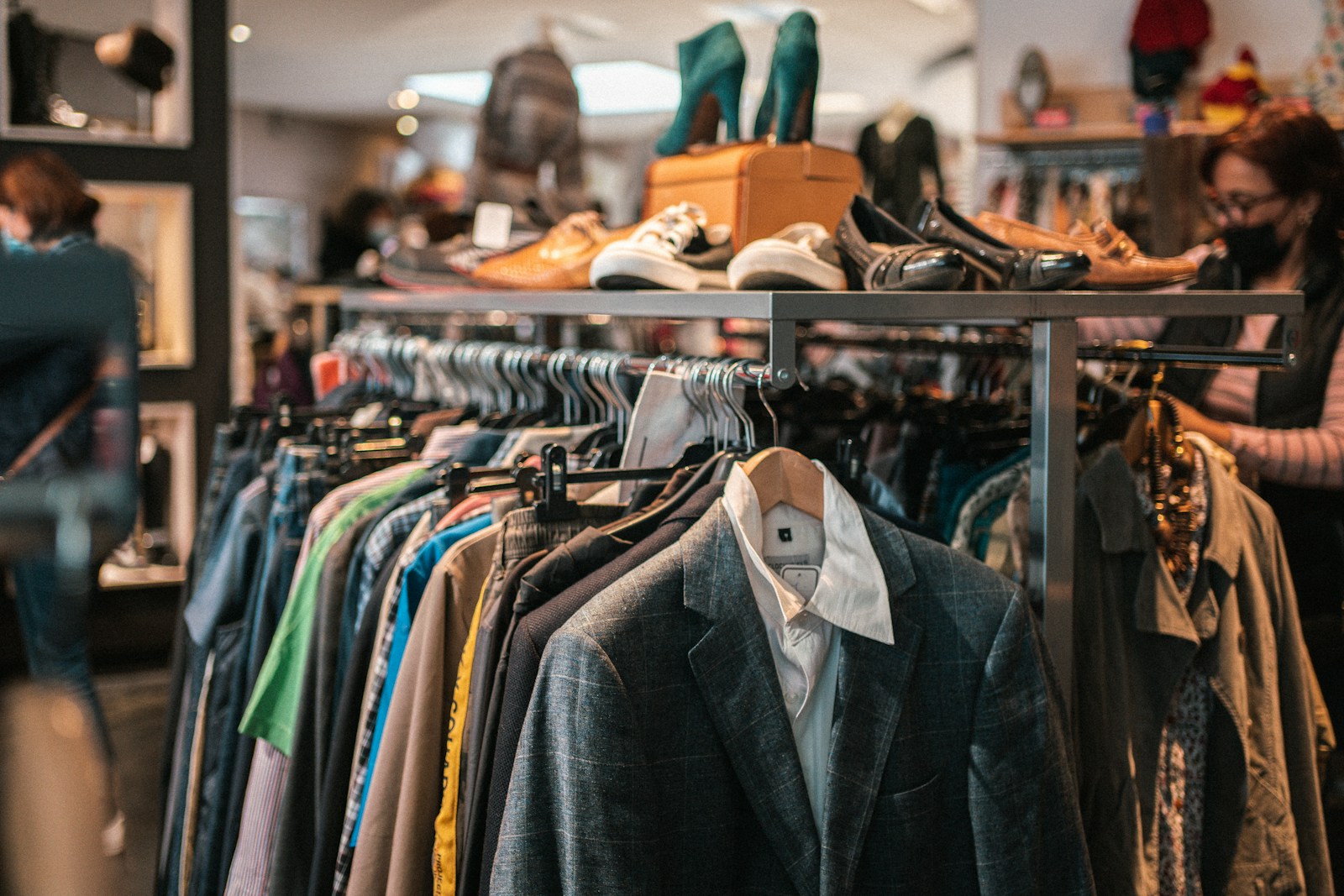
It was ten dollars, which is basically the universe whispering, “Take a chance.” But ten dollars is also how you end up adopting a project you didn’t ask for, like a scratched coffee table or a mysterious appliance with no cord. I almost put it back, did a little mental math about closet space, and started to walk away.
The moment the label changed everything
Then I saw the label: an old-school woven tag with a brand name I recognized in a foggy, half-remembered way. It wasn’t one of the splashy designer labels people name-drop, and that’s exactly why it caught my attention. The stitching around it looked tight and deliberate, like someone actually cared how it was put together.
I did what any reasonable person does when faced with a questionable purchase and a suspiciously confident inner voice: I Googled it. Right there in the aisle, thumb scrolling under fluorescent lights, I found forum posts, old catalog scans, and collectors talking about the brand’s leatherwork with the kind of reverence usually reserved for vintage watches and well-made denim. Suddenly the jacket went from “sad thrift find” to “wait, is this a thing?”
A quick crash course in why collectors care
Collectors don’t just chase a name; they chase build quality, provenance, and details that don’t show up in a quick glance. In this case, the jacket’s construction was the giveaway: thick leather with a firm hand, clean panel alignment, and hardware that felt heavy instead of hollow. Even the wear started to look less like damage and more like honest use.
There’s also the era factor. Many vintage leather jackets were made when manufacturing was slower and materials were less “optimized,” which is a nice way of saying they weren’t cutting corners to hit a price point. A jacket like that can age poorly if it’s neglected, sure, but it can also age beautifully if it’s been worn the way it was intended.
What I noticed after I stopped judging it like a modern mall jacket
Once I knew what to look for, the jacket got more interesting by the minute. The seams were evenly stitched, and the panels weren’t warped or stretched in weird directions, which often happens when leather is thin or poorly cut. The collar sat nicely even off the hanger, and the zipper—surprisingly—still ran smoothly.
The scuffs, though, were dramatic. The sleeves had that dry, pale look leather gets when it hasn’t seen conditioner in years, and there were small cracks near the cuff edge. But there were no major tears, no sticky odor that wouldn’t leave, and the lining, while worn, wasn’t shredded beyond repair.
The ten-dollar decision (and the part where I nearly blew it)
I stood there doing the classic thrift-store debate: “Do I want to carry this around while I keep looking?” That’s the exact moment a treasure becomes someone else’s treasure, because you set it down “for a second” and never see it again. I hovered, I hesitated, and I almost put it back on the rack like a responsible adult.
Then I pictured the internet comments I’d just read—people hunting for this brand, comparing models, posting close-ups of stitching like proud birdwatchers. The jacket wasn’t perfect, but it had the bones. So I put it in my cart before my practical side could file an official complaint.
How people verify vintage leather without getting too technical
If you’ve ever wondered how collectors decide what’s legit and what’s just old, it’s usually a mix of label research and tactile clues. Labels can hint at the production era, the country of manufacture, and even specific runs if the brand changed designs over time. A quick image search can be surprisingly useful, especially if you find old ads or archived store listings.
Then there’s the “feel” test: weighty hardware, sturdy stitching, real leather that doesn’t feel plasticky, and clean finishing inside pockets and seams. None of this guarantees a jackpot, but it helps you avoid the stuff that looks good for a week and then falls apart. And if the price is low enough, you can treat it like a learning experience instead of a high-stakes gamble.
What restoration actually looks like in real life
Restoring vintage leather isn’t always a cinematic before-and-after moment. Sometimes it’s just cleaning, conditioning, and letting the jacket relax back into itself. A gentle leather cleaner can lift grime, while conditioner can bring back some suppleness and deepen the color so scuffs look intentional rather than tragic.
Bigger issues—like torn linings or broken zippers—can be handled by a tailor or leather specialist, but costs add up quickly. That’s why collectors often look for structural integrity first: intact seams, solid panels, and leather that isn’t cracking like old paint. If those fundamentals are good, cosmetic wear becomes less of a red flag and more of a negotiable personality trait.
Why this keeps happening at thrift stores
Thrift stores are basically museums without the placards. Things get donated without context, and what looks “worn out” might actually be the exact condition a collector expects for age and authenticity. A jacket that’s too pristine can even raise questions, because vintage leather tends to show its life unless it’s been stored like a relic.
Trends also play a part. When everyone’s chasing the same obvious labels, quieter heritage brands slip through the cracks. That’s how you end up with a ten-dollar jacket that serious fans would recognize instantly, sitting there like it’s just another piece of clutter.
The small lesson hiding in the lining
I didn’t suddenly become a leather expert in one thrift-store aisle, but I did walk out with a new habit: check the label, then check the details, then decide. The jacket may still need work, and I’m not pretending every bargain is a hidden gem. But sometimes the difference between “junk” and “collectible” is five minutes of research and a willingness to look past surface wear.
And honestly, the best part wasn’t even the potential value. It was that little spark of curiosity—realizing an object has a story, a maker’s intent, and a community of people who care about it. Also, yes, it felt pretty good not leaving it behind for ten dollars.
More from Willow and Hearth:
Leave a Reply