
Living across from a cemetery can often come with its own unique set of challenges—especially when it comes to parking. A homeowner, known as u/Confident_Worth_6182 on Reddit, recently shared a story that highlights the delicate balance between empathy for grieving families and the protection of one’s private property. As they navigate this uncomfortable situation, they find themselves grappling with the question: Is it wrong to want people to stop parking on their lawn and driveway?
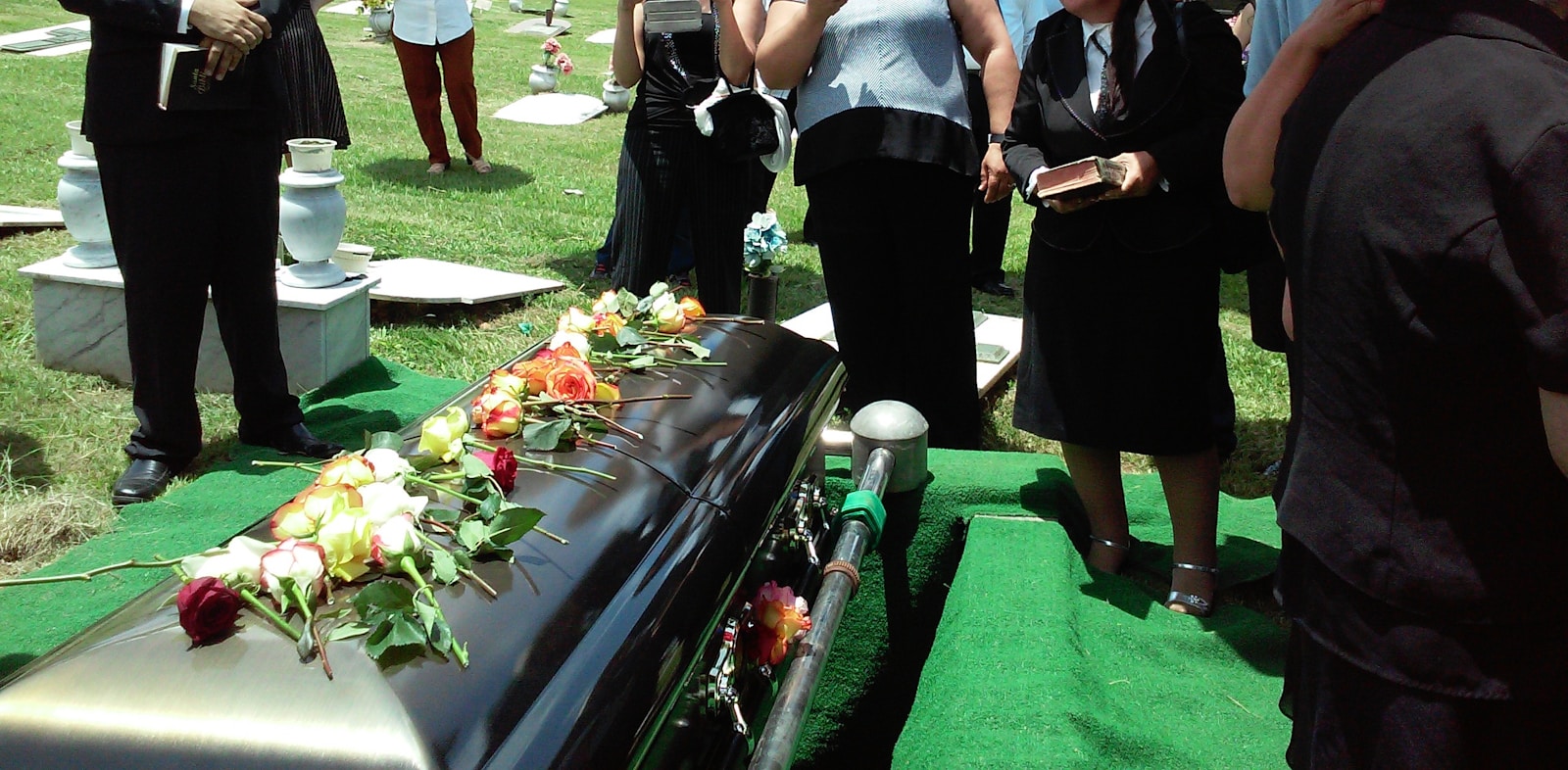
For nearly a year, this homeowner has enjoyed their residence, appreciating the tranquility and community feeling of the neighborhood. However, the peace has been disrupted as guests attending regular funeral services at the nearby cemetery have started encroaching on their property. While overflow parking is common during such events, the frequency with which visitors have parked partially in the driveway and even on the lawn has begun to grate on their nerves.
The homeowner explains that they have been understanding of the grieving process. Acknowledging the emotional turmoil that accompanies funerals, they have refrained from addressing the parking situation directly with those attending services. Yet, the ongoing disruption has left them feeling frustrated and somewhat disrespected, as their private property has been turned into an unofficial parking lot.
As they ponder their next steps, the homeowner is considering reaching out to the town for assistance. Given the small size of the community, they recognize that the cemetery lacks an office responsible for managing overflow parking, which complicates the situation further. The homeowner hopes to find a solution that not only protects their property but also respects the needs of those who are mourning. Their desire isn’t to create additional stress for families during such tough times; rather, it’s about establishing boundaries that should be respected.
The feelings of guilt add another layer to this dilemma. The homeowner is well aware that speaking up may be perceived as insensitive, especially when so many are dealing with loss. In their post, they express concern about being labeled as uncaring when all they want is a little consideration for their property. It’s a common sentiment among homeowners who find themselves in similar situations, torn between maintaining their home’s integrity and showing compassion for others.
In communities where cemeteries are located close to residential areas, such incidents can happen frequently. Many homeowners find themselves wishing for clearer guidelines that delineate where funeral guests can park. While understanding that parking issues arise during such emotional times, it’s essential for homeowners to feel secure in their own property without trespass and disruption.
For those living near cemeteries, sharing the neighborhood with grieving families can evoke mixed emotions. There is compassion for the loss and empathy for the families, but there is also the need to assert one’s rights as a property owner. This can lead to a challenging dynamic, especially when it comes time to address issues like parking. The fear of being seen as the “bad guy” can often prevent homeowners from articulating their discomfort until it reaches a breaking point, as seen in this case.
As it stands, this homeowner must carefully consider how to approach the situation. Whether they choose to speak to the guests directly or engage local authorities for a more structured solution, they will likely face criticism from various angles. Friends, family, and even online commentators may offer advice ranging from being more lenient during tough times to asserting their rights firmly without apology.
Ultimately, this story reflects the complexities of homeownership—especially when one’s property borders a location tied to significant emotions. While the needs of grieving families are undeniable, the homeowner’s desire to maintain the sanctity of their property is equally valid. As they seek to find a resolution that both protects their home and honors those in mourning, they are left contemplating how best to navigate this delicate crossroads.
More from Willow and Hearth:
Leave a Reply