There is a specific kind of frustration that comes with realizing you used to understand something, but cannot quite piece it back together when it matters. It is not a total lack of knowledge, which would be easier to accept, but a partial memory that makes you feel like the answer is just out of reach. That tension often shows up in DIY projects, where confidence and caution have to exist at the same time.
This story stood out because it captures that exact moment of hesitation. It is not about someone diving in recklessly, but someone stopping at the edge of uncertainty and choosing not to proceed without clarity. That pause, especially when dealing with something as unforgiving as electrical wiring, is what turns a simple task into a much bigger decision.
A Simple Upgrade That Didn’t Feel So Simple
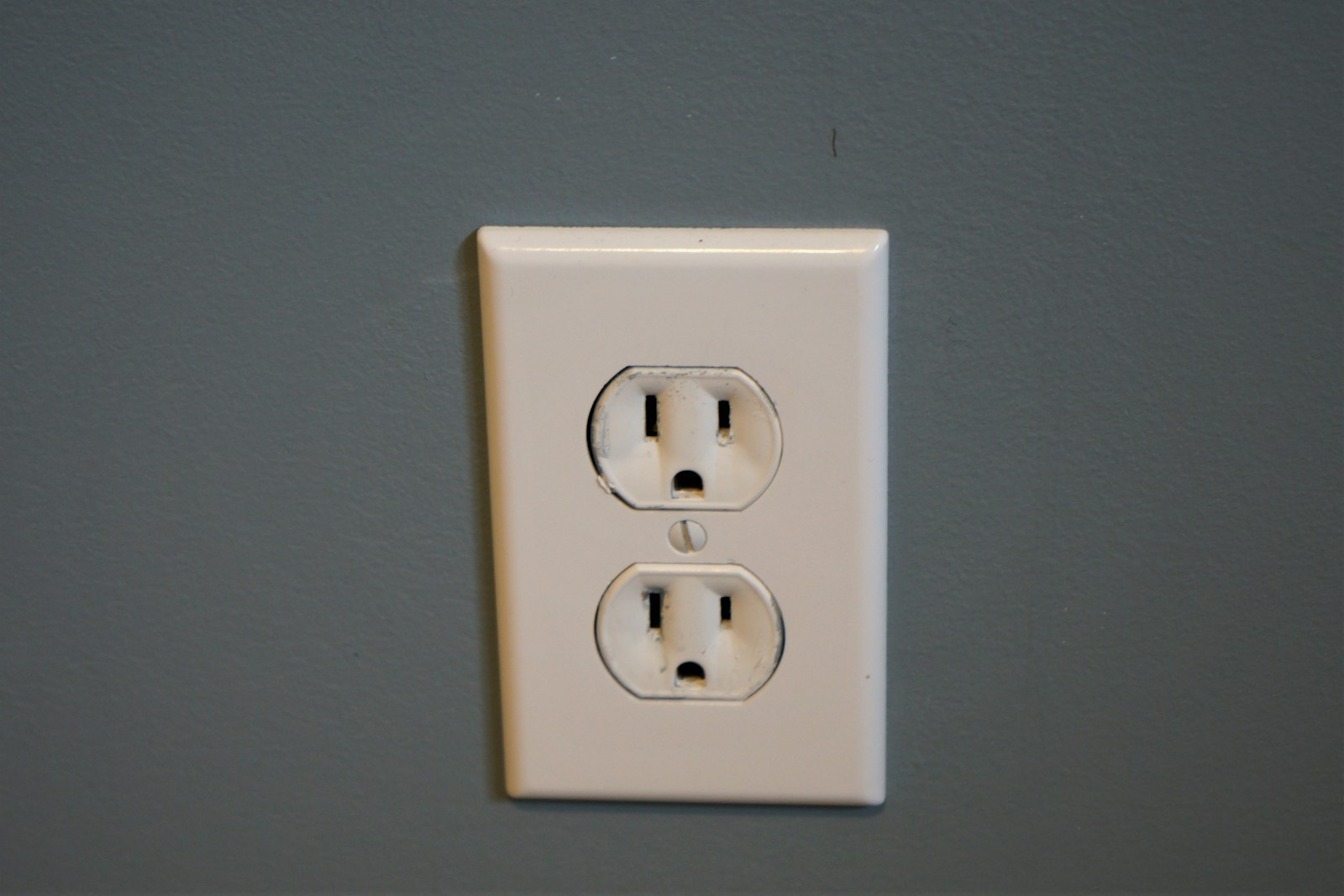
The homeowner set out with a straightforward goal. They wanted to replace an existing wall outlet with a newer version that included USB connections, something practical and increasingly common in modern homes. On the surface, it felt like a quick upgrade that should not require much more than basic knowledge.
Once the old outlet was exposed, the situation looked more complicated than expected. The existing setup had four connectors with wires attached, along with a ground wire, suggesting that it was not just a standalone outlet. It appeared to be part of a larger circuit, possibly feeding power to another switch or outlet somewhere else.
The new outlet, however, only had two connectors plus ground. That mismatch immediately raised questions about compatibility, making it unclear how the wires should be transferred. What started as a simple replacement began to feel like a puzzle with missing pieces.
When Familiar Knowledge Doesn’t Quite Click
The homeowner mentioned that this was not entirely new territory. At some point in the past, they had understood how this kind of wiring worked, which made the confusion even more frustrating. It was not about learning from scratch, but about trying to reconnect with knowledge that had faded over time.
That uncertainty created a mental loop. They could almost see the solution but could not fully trust themselves to act on it. Electrical work does not leave much room for guesswork, which made hesitation feel like the only responsible option.
Rather than experimenting, they chose to stop and ask for advice. That decision shifted the situation from a private struggle into a shared problem, opening the door for others to weigh in with their own interpretations and experience.
The Detail That Changed Everything
As responses started coming in, one explanation stood out and began to clarify the situation. A commenter, Junkmans1, pointed out that the key detail might be the small metal tabs connecting the top and bottom parts of the outlet. Those tabs determine whether both sockets are on the same circuit or split between different ones.
That distinction changed how the wiring needed to be approached. If the tabs were intact, the extra wires could simply be part of a pass-through system, allowing power to continue to other outlets. In that case, using connectors like wire nuts or Wago clips to combine wires before attaching them to the new outlet could solve the problem.
If the tabs had been removed, the situation was more complex. That would mean the outlet was serving two different circuits, often with one half controlled by a switch. In that scenario, the new outlet with only two connectors would not be a suitable replacement at all.
The Moment Understanding Came Back
As the explanation settled in, something shifted for the homeowner. The missing piece of knowledge finally clicked into place, turning confusion into clarity. What had felt like a complicated mystery became something familiar again.
They acknowledged that the explanation helped reconnect the dots. The mention of switched and always-on outlets aligned with what they had seen elsewhere in their home, reinforcing that the issue was not random but part of a broader system. That recognition brought a sense of relief.
Confidence returned, but in a measured way. The homeowner did not suddenly rush into the project, but now had a clear direction for what to check and how to proceed. The hesitation that once felt like a barrier became a safeguard that led to a better understanding.
What People Had to Say
The responses reflected a mix of practical advice and cautious concern. Some commenters leaned toward simplicity, with Dazzling_Flamingo568 suggesting that the easiest route would be to replace the outlet with one that matches the original configuration. That approach avoids unnecessary complications and keeps the setup consistent.
Others focused on the importance of clarity before action. That sentiment came through when LongUsername pointed out that without photos, the situation was too ambiguous to give reliable advice. It reinforced the idea that electrical work depends heavily on accurate details, not assumptions.
There was also a strong undercurrent of safety awareness. One commenter, theBigDaddio, advised calling a professional if confusion remained, highlighting the risks involved in getting it wrong. Even among those offering detailed guidance, the tone stayed grounded in caution, reminding the homeowner that understanding the system matters more than rushing to finish the task.
More from Willow and Hearth:
Leave a Reply