
In a heated exchange that has captured the attention of many, a mother of four has taken to social media to express her frustrations about her husband’s reaction to their sick child needing help in the middle of the night. This scenario highlights the complexities of parenthood and the differing approaches that parents can take when it comes to handling their children’s needs. The mom, 33, shares her perspective on balancing her role as a stay-at-home mom while managing the demands of a growing family.
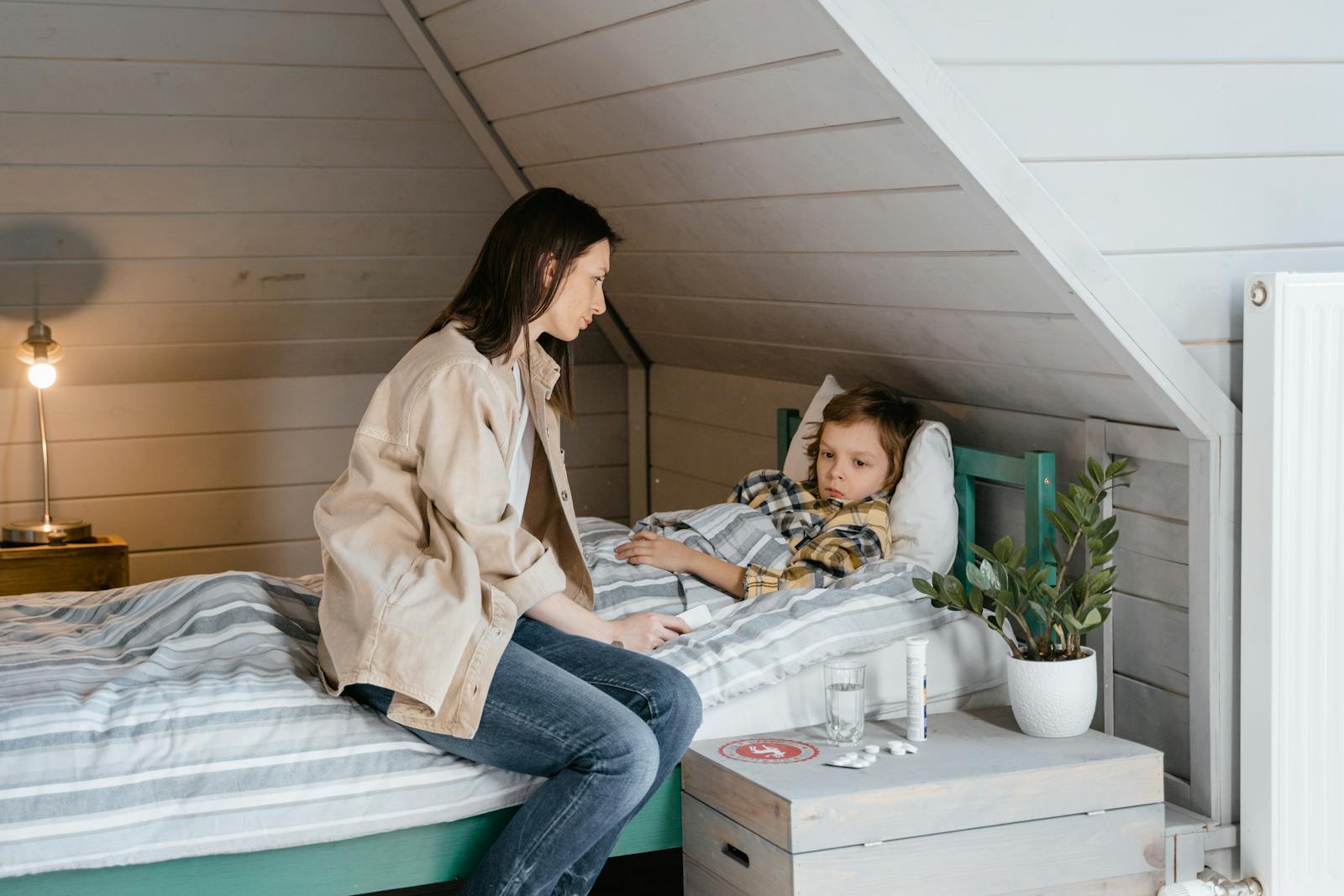
The couple, who have two older boys aged 12 and 9, and two younger children aged 18 months and 7 months, faced an unsettling situation when their 9-year-old son woke up sick in the early hours. While the mother is accustomed to waking up for the children, especially the baby, her husband, a 32-year-old new bus driver, found himself irritated when he was awakened by the child’s knock on their bedroom door at 4 a.m. The mother quickly sprang into action to help her son as he feared he was going to vomit, a scenario many parents can relate to. However, the aftermath of this incident led to a conflict between the couple.
The following morning, the husband expressed his anger towards their son for waking him up, citing his need for sleep to ensure he is safe on the road that day. He suggested that their son should not have knocked and even implied that if the issue persists, he might consider moving back to live with his parents to get the rest he feels he desperately needs. The mother was taken aback by this suggestion and felt it was unreasonable to place such a burden on their children, who might need their parents during moments of distress or illness.
Responding to her husband’s comments, the mother defended her son’s right to seek help during the night, asserting that children should not have to suffer through illness alone. She considered her husband’s suggestion to be selfish and noted that part of parenting is being prepared for the sleepless nights that come with raising young children. The disagreement between the couple reflects a broader conversation about parental responsibilities and how to approach situations when children need assistance during vulnerable moments.
Through the mother’s eyes, she views waking up to care for her children as a natural part of family life. On the other hand, the husband expressed concern for his own well-being and the potential consequences of being tired while driving a bus—a job that comes with significant responsibilities and safety implications. This clash of priorities raises questions about how parents can find a balance between supporting each other and being attentive to their children’s needs.
In the mother’s perspective, she feels that denying the children the ability to knock on their bedroom door for help is not just practical but also emotionally damaging. Children need to feel secure and supported, particularly during instances of fear or sickness. Conversely, the father believes that preemptively addressing the situation—by checking on the children rather than allowing them to knock—would lead to less disruption and ultimately, a safer driving experience for him.
Many can sympathize with both parties in this disagreement. For the mother, sleepless nights and illness in children are part of the territory when raising a family. For the husband, maintaining his alertness and safety as a bus driver is paramount, especially in a busy city. As they navigate these mixed emotions, one thing is clear—communication is key. Finding a solution that works for both the parents and the children might require open dialogue about their differing perspectives and possibly redefining their roles during the night.
Whether it’s exploring new nighttime routines, sharing the responsibilities of nighttime check-ins, or establishing other methods for addressing their children’s needs, there’s room for compromise. In any family dynamic, understanding and empathy towards each parent’s concerns can help to bridge the gap and foster a supportive atmosphere for both kids and parents alike.
More from Willow and Hearth:
Leave a Reply