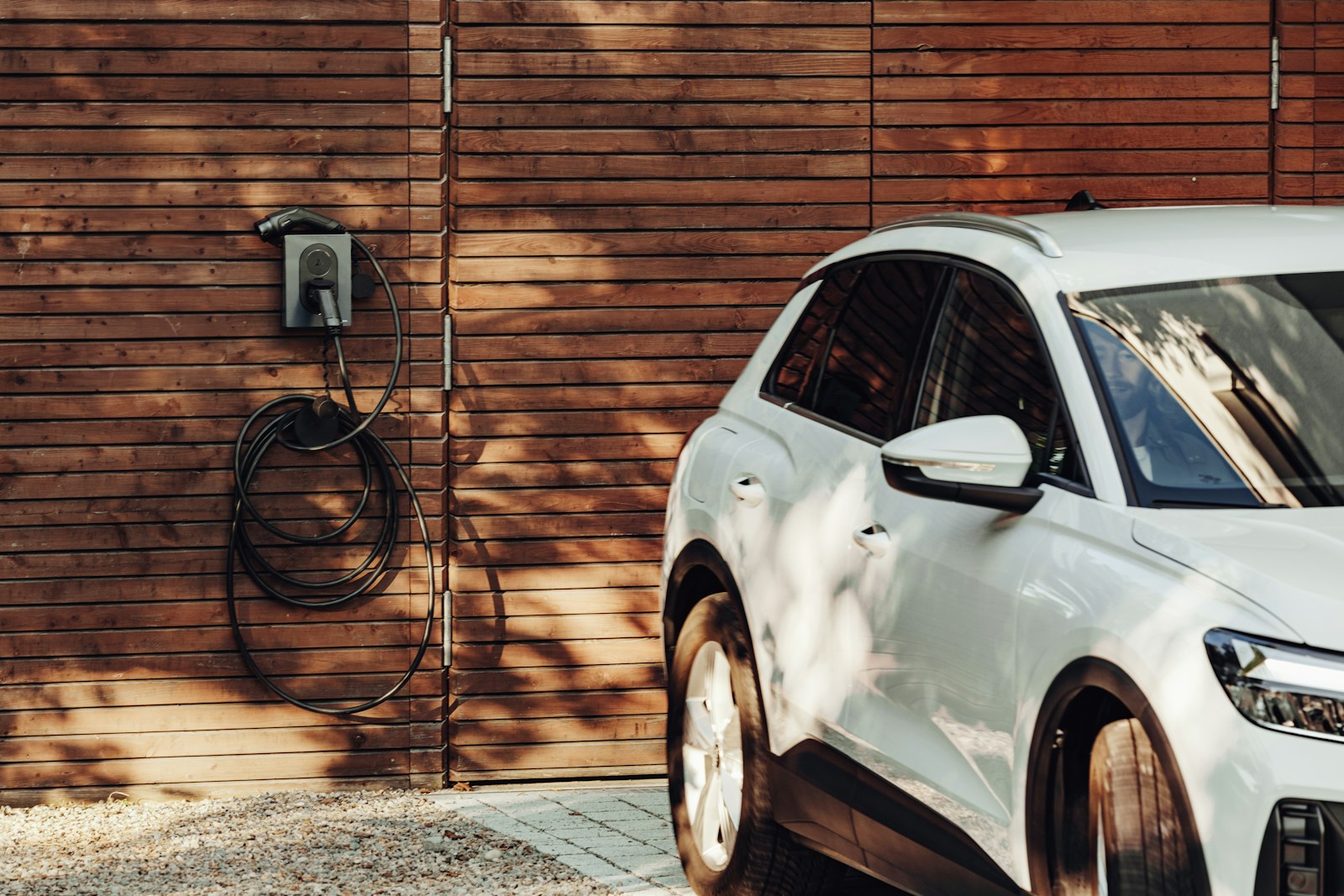
In a growing number of neighborhoods, the rise of electric vehicles (EVs) is prompting new challenges for residents living in tight-knit, shared communities. One particularly eye-opening story has emerged from a condo/townhouse community where a resident, identified only as Jim, has seemingly taken over a fellow homeowner’s designated parking space to fuel his new electric vehicle. As tensions rise, this saga spirals into a tale of frustration and boundary issues that many can relate to in today’s rapidly changing automotive landscape.
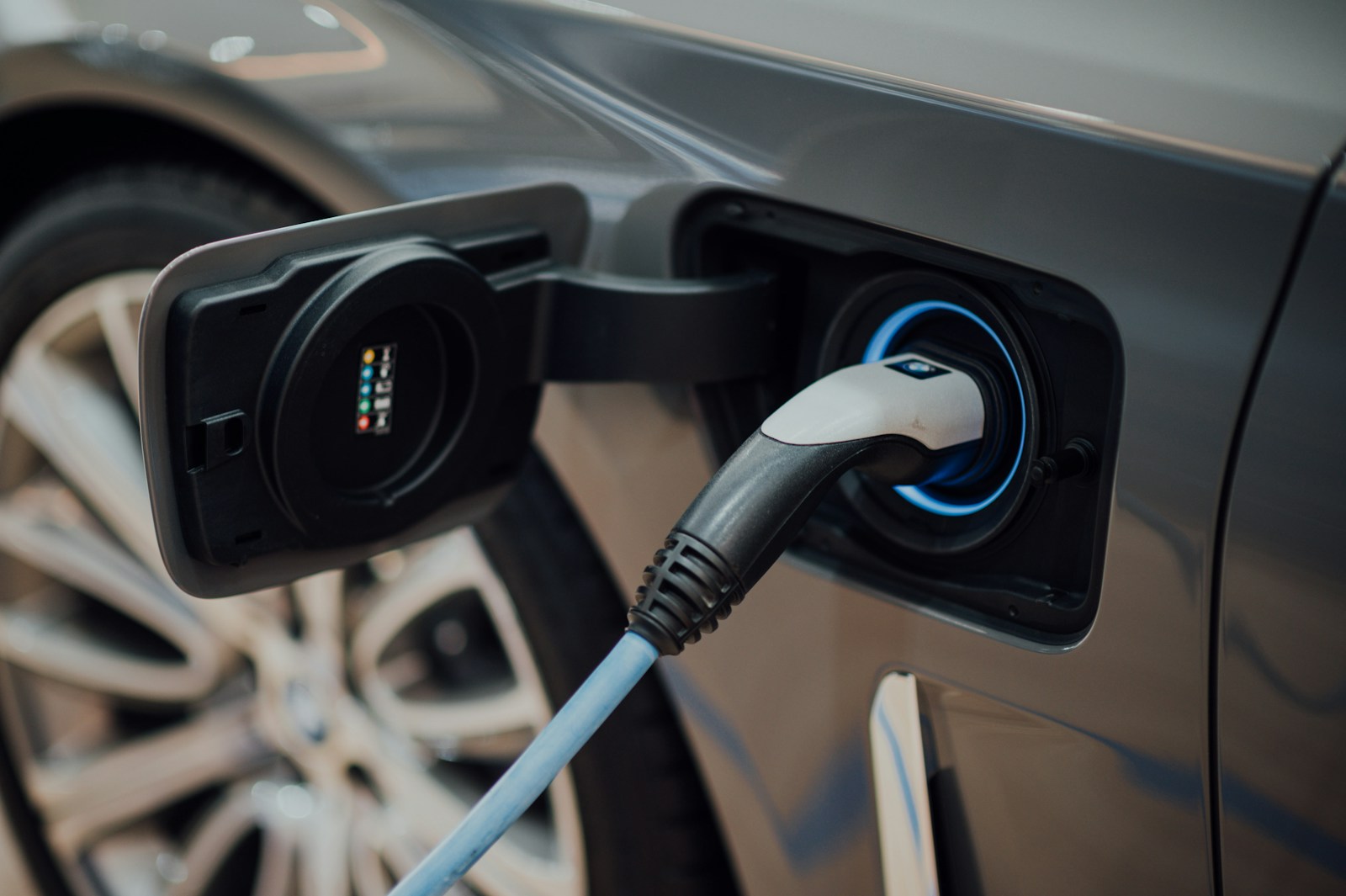
Jim’s situation began innocently enough—he installed an EV charging station adjacent to his home in the community. As more neighbors embrace electric cars, it’s becoming common to see charging stations pop up in shared spaces. However, Jim’s choice of location would soon lead to unexpected complications. His decision placed the charging station right next to the parking space of another resident, who we will call “Euphoric Present.” This individual, who pays for a reserved parking spot directly in front of their home, thought nothing of it—until Jim began to take liberties with the parking arrangements.
Initially, it was a small annoyance. Euphoric Present noted that after returning home from work, they would frequently find Jim parked in their space, charging his EV while they were away. Each time, they had to call Jim to have him move his car, reminding him that the space wasn’t his to use. Frustration mounted as Euphoric Present made it clear that if this behavior continued, they would have no choice but to have Jim’s vehicle towed. It was a straightforward issue of respecting one another’s assigned spaces, but Jim’s disregard suggested he felt entitled to the spot due to his investment in the charging station.
The situation escalated when, during one particularly busy week, Euphoric Present returned home only to find Jim’s vehicle parked not just in their designated space, but also in the grass right in front of Euphoric Present’s house. This was no mere inconvenience; it was an unacceptable violation of both safety and property norms, especially since it was an area where children played. Euphoric Present approached Jim, requesting that he refrain from parking in the grass, hoping this appeal would return their neighborly relations to a more amicable state.
Despite this polite request, the scenario reached a new level of absurdity just a day later. Euphoric Present woke up to discover that Jim had extended his charging cable over their car, effectively blocking them in. Jim’s vehicle was parked so close that Euphoric Present couldn’t open their door without maneuvering around Jim’s car. Frustration gave way to disbelief as they realized that once again, Jim had disregarded basic courtesy and common sense.
Attempts to contact Jim proved unsuccessful, with Euphoric Present left feeling increasingly trapped—not just physically by the parked car, but also in an escalating conflict where their neighbor had seemingly crossed numerous boundaries. The hostility that Jim displayed was unexpected, complicating what could have been a straightforward conversation. The situation highlights a growing concern among homeowners who are navigating the complexities of shared living spaces in an era where electric cars and their accompanying charging stations are becoming more prevalent.
As this story unfolds, it serves as a stark reminder of the nuances involved in living in close proximity to others. Residents expect to enjoy their home without fear of infringement on their space, and yet, in this case, the lines have blurred with the introduction of new technology and personal entitlement. As residents invest in electric vehicles and the infrastructure to support them, it is crucial that discussions around shared spaces and mutual respect remain open and ongoing.
For residents like Euphoric Present, finding a solution to a neighbor’s boundary issues remains a pressing concern—one that intertwines the personal with the practical. Whether this conflict can be resolved amicably, or if it will escalate further remains to be seen. It’s a reflection of the challenges posed by modern living as communities adapt to not just shared spaces but also shared responsibilities.
More from Willow and Hearth:
Leave a Reply