Plants are often seen as quiet additions to a home, something that grows steadily in the background without demanding too much attention. But anyone who has owned a large houseplant knows that they can slowly take over a space if left unchecked, turning from decoration into something that feels almost overwhelming. When that shift happens, it is rarely sudden, which makes it even harder to pinpoint when things started going wrong.
This story resonated because it sits right at that turning point. It is not about a plant that has completely failed, but one that has clearly outgrown its environment and care routine. The tension comes from trying to fix something that has been neglected just enough to become complicated, while still feeling responsible for preserving what it represents.
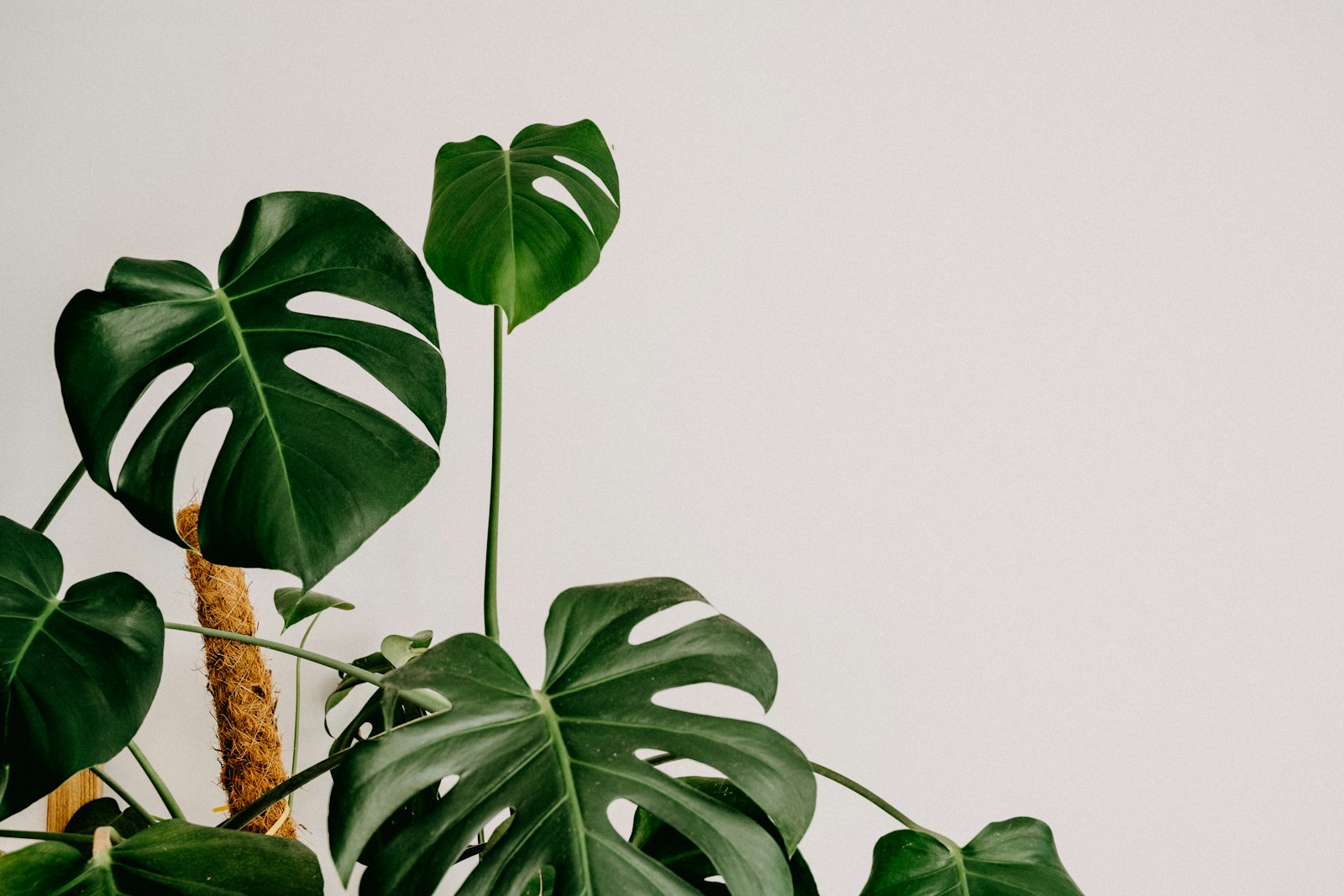
A Gift That Grew Beyond Its Space
The situation centers around a large Monstera that had been in the family for years. It was not just any plant, but one that had been gifted to the poster’s parents during a time of loss, which gave it emotional weight beyond its physical presence. Over time, it became part of the home without anyone really questioning whether it was thriving or simply surviving.
The parents were not particularly experienced with houseplants, so care remained basic and consistent rather than intentional or adaptive. Watering happened regularly, but there was no deeper attention to things like pruning, repotting, or feeding. For a while, that seemed to be enough to keep the plant going.
That slow, steady approach eventually led to something else entirely. The Monstera did not die, but it also did not grow in a controlled or healthy way. It expanded outward, becoming tangled, uneven, and difficult to manage, creating a situation where its size no longer matched the level of care it was receiving.
When Growth Starts to Look Like a Problem
The plant itself began showing signs that something was off. Its branches curved in different directions, creating a shape that felt chaotic rather than structured. Leaves started growing far from the main stems, making the entire plant look stretched and disconnected.
At the same time, some leaves were wilting while others appeared underdeveloped, lacking the signature holes that Monsteras are known for. Exposed roots added to the visual confusion, making it clear that the plant had outgrown its current setup. It was no longer just big, it was struggling in ways that were hard to ignore.
The environment played a role in that shift. The Monstera was placed in a shaded corner with limited direct sunlight, receiving only brief exposure in the evening. Even with regular watering, the lack of proper light and long-term maintenance created conditions where growth continued, but not in a way that supported the plant’s overall health.
Trying to Fix Something You Don’t Fully Understand
The poster stepped in with the intention of helping, but quickly realized how complicated the situation had become. Basic research offered conflicting advice, leaving them unsure whether to focus on pruning, repotting, or changing the plant’s environment first. What seemed like a simple fix turned into a series of uncertain decisions.
There was an instinct to start cutting things back, especially given how overgrown the plant had become. At the same time, the risk of doing too much damage without understanding the structure of a Monstera made that option feel intimidating. The balance between action and hesitation became its own challenge.
Lighting and soil were also part of the equation. The plant had likely never been fertilized and had been sitting in the same pot for years, which raised questions about whether the issue was deeper than just appearance. Each possible solution opened up another layer of uncertainty, making it harder to decide where to begin.
The Moment It Became More Than Just a Plant
What made this situation stand out was not just the condition of the Monstera, but what it represented. This was not a random houseplant that could be replaced if things went wrong. It carried emotional significance tied to a specific moment in the family’s history.
That connection added pressure to the decision-making process. Fixing the plant was not just about improving how it looked, but about preserving something meaningful. The fear of making the wrong move became part of the problem, slowing down action even when change was clearly needed.
The situation also highlights a common pattern with long-term plant care. When something survives for years, it creates the illusion that everything is fine, even when conditions are far from ideal. By the time visible problems appear, they often require more thoughtful intervention than routine care ever did.
What People Had to Say
The responses reflected a mix of reassurance and practical advice, with many people pointing out that Monsteras are far more resilient than they look. That perspective showed up in comments like “They can handle a serious prune, don’t be afraid to cut it back,” shared by one user who emphasized that controlled trimming could actually encourage healthier growth. Others echoed that idea, explaining that overgrowth is common when these plants are left unmanaged for too long.
There was also a strong focus on light and structure. Some users suggested that the lack of fenestrations, those signature holes in the leaves, was likely tied to insufficient lighting, with “It needs way more light if you want those big split leaves,” coming up as a repeated observation. That detail helped shift the conversation from surface-level fixes to underlying conditions.
A few responses leaned into the emotional side of the situation as well. One commenter noted, “It’s a meaningful plant, but it’s still a plant, you can reshape it and it’ll come back,” highlighting the balance between preserving sentiment and making necessary changes. That blend of practical advice and reassurance made it clear that while the situation felt overwhelming, it was far from hopeless.
More from Willow and Hearth:
Leave a Reply