
In a world where relationships are often defined by equality and partnership, one woman is feeling the weight of traditional expectations in her relationship. She recently shared her frustrations on social media, seeking advice from others about her boyfriend’s apparent tendency to treat her like a housewife, despite their agreement to split household bills and responsibilities. The story has resonated with many, raising questions about gender roles and expectations in modern relationships.
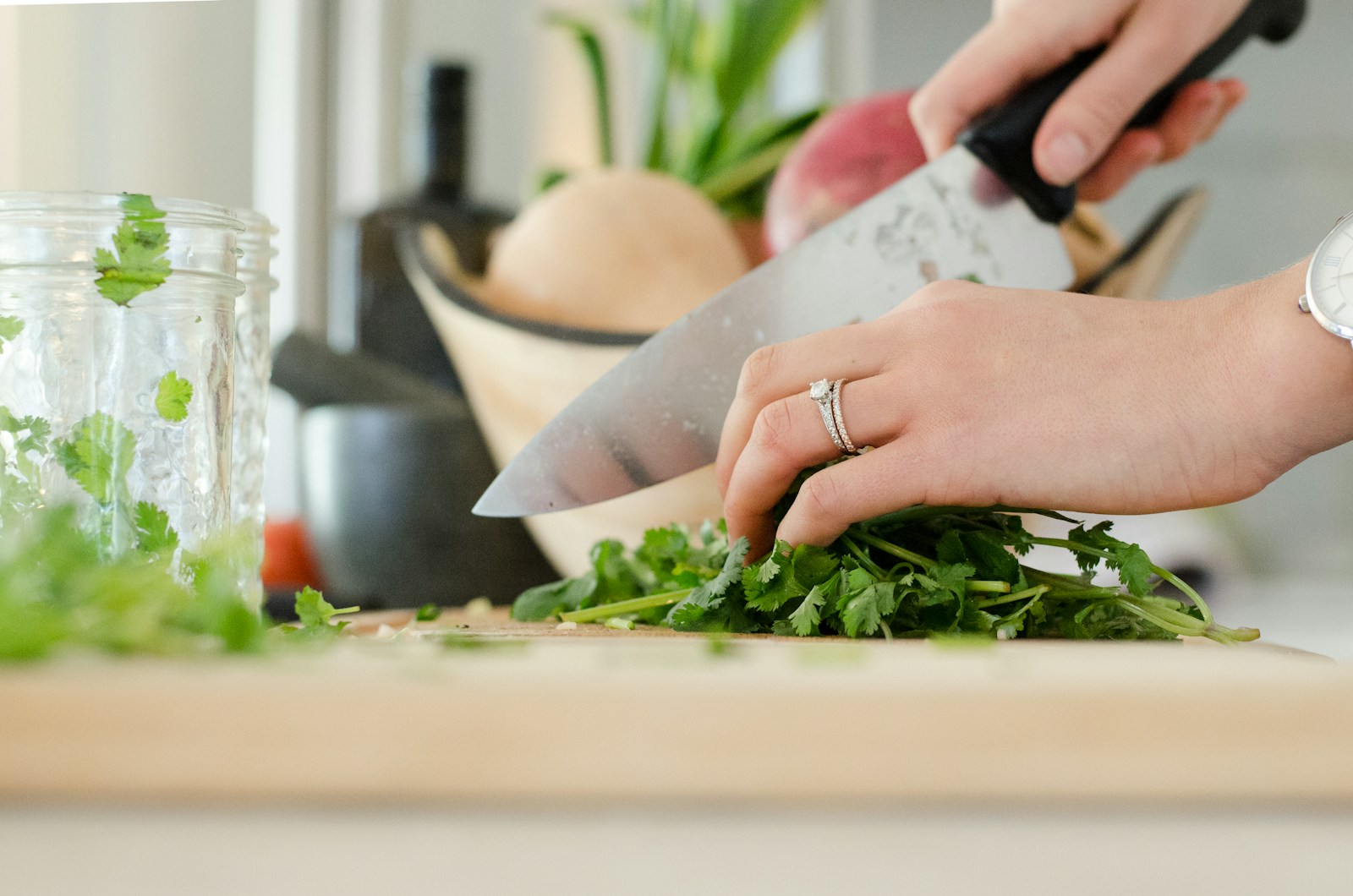
The woman, expressing her concern, detailed how her boyfriend frequently asks her, “What’s for dinner?” This seemingly innocuous question has taken on a deeper meaning for her. She explained that while they both contribute financially to their living situation, she feels as though she is still being cast in a traditional female role, taking on the majority of the cooking and household management. Despite their arrangement to share responsibilities and household expenses, she finds herself caught in a cycle of expectation that leaves her feeling undervalued.
“I work just as hard as he does, and I don’t see why I should be the one always planning and preparing meals,” she shared. “It feels like I’m being treated like a stay-at-home partner when that’s not the relationship we agreed upon.” Her frustration stems not just from the daily question about dinner, but from the broader implications of what that question symbolizes in their relationship dynamic.
This scenario is not unique to her. Many couples find themselves navigating outdated gender roles even as they strive for a more modern partnership. The woman’s feelings echo a common sentiment in relationships today, where traditional expectations often clash with the realities of shared modern life. The question of dinner becomes a metaphor for deeper issues of equality, respect, and partnership.
Friends and online commentators have weighed in, urging her to communicate her feelings to her boyfriend. They suggest that an open and honest conversation about their expectations could lead to a more balanced relationship. Sharing feelings about how the division of household responsibilities makes her feel could allow both partners to reassess their arrangements and find a more equitable solution.
Still, the woman grapples with her emotions, unsure of how to address the situation without escalating tensions between them. The fear of rocking the boat in her relationship has led to many sleepless nights, as she wrestles with her desire for clarity and a sense of fairness in their partnership.
As relationships continue to evolve, this story highlights the importance of communication and the need for couples to navigate their unique dynamics together. The modern relationship is a partnership built on shared values and expectations, and both partners should feel equally responsible for their home and shared lives.
As this woman continues to reflect on her situation, she is reminded that relationships require ongoing adjustment and renegotiation. Expectations can shift over time, and it is essential for both partners to stay aligned in their understanding of shared roles and responsibilities. Ultimately, whether it be the question of dinner or the broader dynamics of their relationship, clarity and mutual respect can transform the way partners engage with each other.
For anyone facing similar struggles with traditional expectations in a modern relationship, the key takeaway is that conversations about roles, responsibilities, and partnership should be approached with love, patience, and an open heart. It’s about building a relationship that works for both individuals, where neither feels burdened by outdated ideals.
More from Willow and Hearth:
Leave a Reply