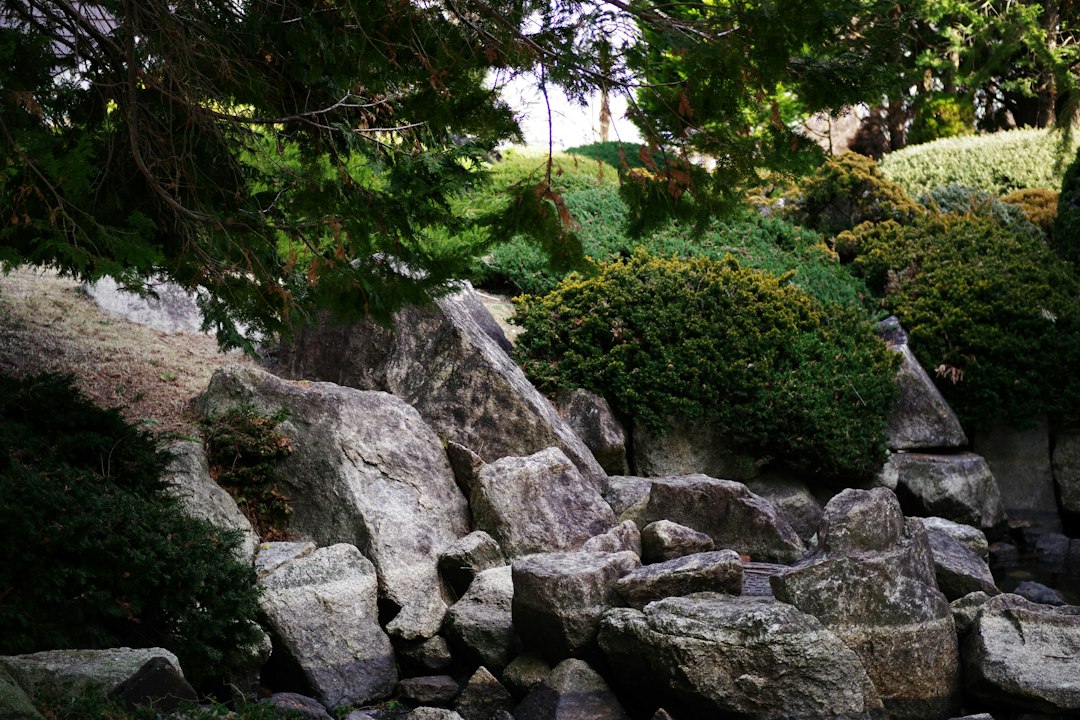
The promise of a low-maintenance yard is one of the most appealing lines in any real estate listing. No mowing, no weeding, no weekend battles with the hose, just a tidy outdoor space that takes care of itself. In practice, though, ‘low-maintenance’ often means ‘low-maintenance in a very specific way,’ and the exceptions can get expensive fast.
Before you assume a xeriscaped lot or artificial turf yard will save you money, it’s worth understanding exactly where the hidden costs tend to hide.
Artificial Turf Has a Shelf Life
Synthetic grass looks immaculate on day one, but it isn’t a permanent fix. Most artificial turf is rated for 8 to 15 years depending on quality, foot traffic, and sun exposure, and once it starts to fade, mat down, or develop bald patches, replacement is the only real option. Full removal and reinstallation for an average-sized yard can run into the thousands of dollars, and that’s before accounting for the base material underneath, which sometimes needs to be redone as well. Heat is another factor many buyers underestimate; turf can reach surface temperatures far higher than natural grass in direct summer sun, which occasionally requires cooling infill products or partial shading to keep the yard usable, adding another line item to the budget.
Rock and Gravel Landscaping Traps Debris
Swapping grass for decorative rock or gravel is a popular low-maintenance move, but it comes with its own upkeep. Leaves, pine needles, and other organic debris settle into the gaps between stones and are far harder to rake or blow out than they would be on a lawn or mulched bed. Over time, that trapped organic matter breaks down and creates a thin layer of soil where weeds happily take root, meaning many rock yards actually need more frequent weeding than expected. Rock landscaping also absorbs and radiates heat, which can stress nearby plants and irrigation lines, and periodically needs to be topped off or partially replaced as stones scatter, sink, or get buried by windblown dirt.
Drought-Tolerant Plants Still Need Establishment Care
Xeriscaping is genuinely water-efficient once plants mature, but ‘drought-tolerant’ doesn’t mean ‘no water ever.’ New plantings typically need regular watering for the first one to two growing seasons while root systems establish, and skipping this step is one of the most common reasons xeriscaped yards fail and need to be replanted. Many homeowners underestimate this transition period, only to find themselves replacing dead plants at full price a year after moving in. Selecting species suited to your specific climate zone and soil type also matters enormously, and a yard planted with the wrong drought-tolerant species for your region can struggle regardless of how well it’s watered.
Hardscaping Requires Periodic Sealing and Repair
Pavers, concrete patios, and decorative hardscaping are often marketed as maintenance-free alternatives to grass, but most hardscape materials need resealing every two to three years to prevent staining, cracking, and weed intrusion between joints. Concrete can develop cracks from ground settling or freeze-thaw cycles, and pavers can shift or sink unevenly over time, especially in areas with poor drainage or expansive soil. Repairing these issues isn’t always a simple patch job; sometimes an entire section needs to be lifted and relaid to fix the underlying problem. Budgeting for occasional resealing and the possibility of localized repairs keeps a hardscaped yard from becoming a surprise expense down the line.
Irrigation Systems Break Down Quietly
Drip irrigation and smart sprinkler systems are often installed specifically to reduce water waste in low-maintenance landscapes, but the components wear out. Emitters clog, valves fail, and control units need occasional reprogramming or battery replacement, and because these systems are often buried or hidden under mulch, problems can go unnoticed until plants start dying or a water bill spikes unexpectedly. Annual system checks are worth the modest cost, since a single undetected leak can waste significant water over several months. Buyers inheriting an older irrigation system should budget for at least partial replacement of aging components within the first few years of ownership.
Mulch Needs Regular Replenishment
A thick layer of mulch suppresses weeds and retains soil moisture, which is exactly why it’s a staple of low-maintenance design, but it breaks down and needs to be topped off every one to two years. Skipping this refresh allows weeds to push through and soil to dry out faster, undermining the entire point of the design. Mulch can also wash away in heavy rain or blow around in windy conditions, requiring more frequent touch-ups in exposed areas. Depending on the type used, cedar and other premium mulches cost noticeably more to maintain over time than basic wood chips, a detail landscape designers don’t always mention upfront.
Tree Roots Can Damage Nearby Structures
Mature trees are often left in place specifically because they require little day-to-day care, but their root systems don’t stay contained. Roots can heave sidewalks, crack foundations, and infiltrate sewer lines, sometimes causing repair bills that dwarf anything spent on lawn care over the years. Because root damage develops slowly and underground, it’s easy to miss during a standard walkthrough, and by the time visible cracking appears, the damage is often already extensive. Before assuming mature landscaping is purely a maintenance-saving asset, it’s worth having an arborist assess whether any trees are positioned too close to the foundation, driveway, or utility lines.
HOA Rules Can Dictate Costly Upkeep Standards
Some homeowners associations require specific landscaping standards regardless of what a homeowner actually wants to maintain, and low-maintenance choices like gravel yards or native plant beds aren’t always automatically approved. Associations may mandate professional landscaping services, specific plant palettes, or seasonal color rotations that conflict with a genuinely low-upkeep approach, forcing homeowners into recurring costs they didn’t anticipate. Violating these standards can also result in fines that add up quickly. Reviewing an HOA’s landscaping guidelines before assuming any yard will stay low-cost is a step too many buyers skip entirely.
Pest Issues Can Increase in Certain Designs
Rock beds, mulch, and dense drought-tolerant plantings can create favorable conditions for pests like rodents, termites, and certain insects, particularly when landscaping material sits close to the home’s foundation or siding. Once an infestation takes hold, treatment and any resulting structural repairs can be far costlier than the landscaping itself. Keeping mulch and rock beds pulled back several inches from the foundation reduces this risk, but it’s a detail many low-maintenance designs overlook in favor of a clean, uniform look. Buyers should walk the perimeter of any low-maintenance yard specifically checking for materials piled directly against the exterior walls.
Resale Expectations May Not Match Buyer Preferences
Not every future buyer wants the same low-maintenance features you do, and converting an artificial turf yard back to natural grass, or replacing extensive gravel beds with a more traditional landscape, can be a genuine expense if it becomes necessary to appeal to future buyers. Some markets and neighborhoods still place a premium on lush, green lawns, and a heavily xeriscaped or turfed yard can occasionally be perceived as a negative rather than a selling point. It’s worth researching local buyer preferences before investing heavily in any single low-maintenance style, since undoing a landscaping choice is rarely cheap and sometimes involves regrading or soil amendment work as well.
Leave a Reply