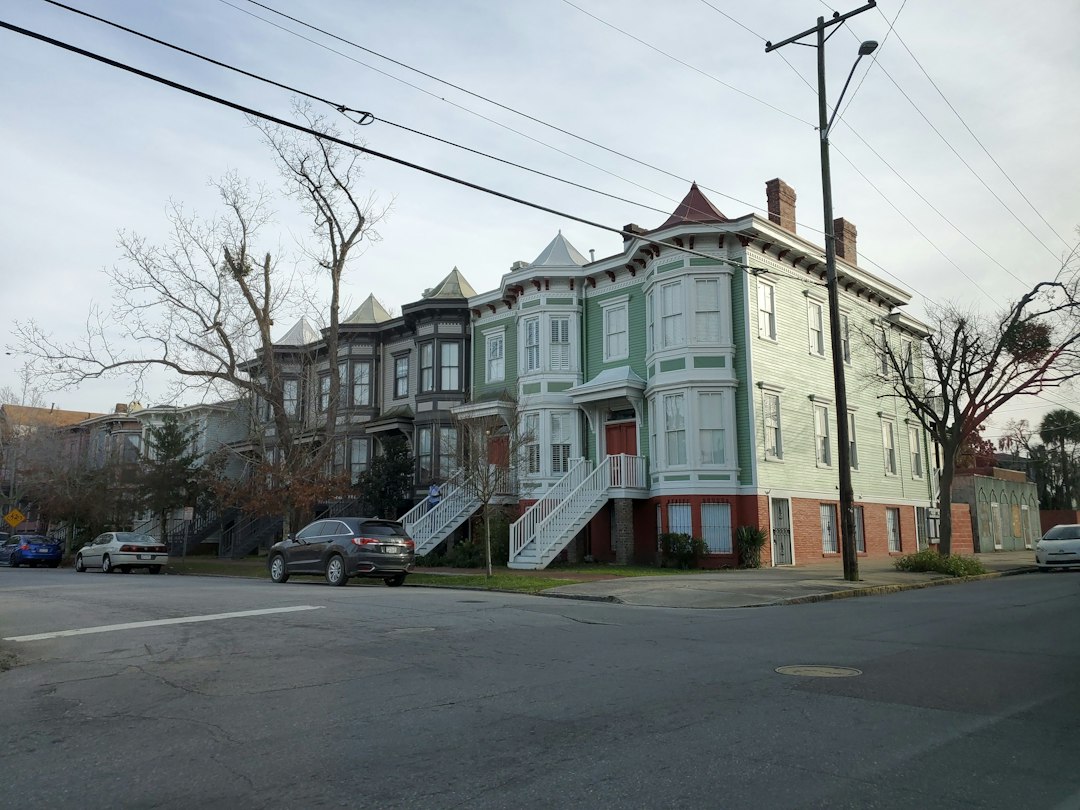
Corner lots have a certain appeal on paper: extra light, a more distinctive footprint, and often a larger overall parcel than an interior lot on the same block. It’s easy to see why they catch a buyer’s eye during a search.
What’s less obvious from the listing is how much of that extra space comes with extra obligation attached. Here are eleven reasons a corner lot can end up being more maintenance than buyers bargain for.
Double the Sidewalk and Curb to Maintain
A corner lot typically has frontage on two streets instead of one, which usually means twice the sidewalk to shovel, sweep, or repair, and often twice the curb strip to mow or landscape. In many municipalities, sidewalk maintenance and even repair costs are the homeowner’s responsibility regardless of how much frontage they have, so a corner lot can quietly double that ongoing obligation.
Less Usable, Private Yard Space
With two sides of the property exposed to public streets instead of one, corner lots often have less area that feels genuinely private compared to an interior lot of the same total size. Fencing and landscaping can help, but the yard still tends to feel more exposed to passing traffic and pedestrians on two sides rather than tucked away behind neighboring homes.
Stricter Setback and Sight-Triangle Rules
Most municipalities impose a “sight triangle” or visibility clearance at street corners to keep intersections safe for drivers, which restricts how tall fences, hedges, and even some plantings can be near the corner. These rules can limit exactly the kind of privacy landscaping a corner-lot owner might want to install, and buyers are often surprised to learn about the restriction only after they’ve already planned a fence line.
More Exposure to Traffic Noise and Headlights
Being bordered by two streets instead of one generally means more ambient traffic noise, and at night, headlights sweeping across windows as cars turn the corner can be more noticeable than on a mid-block lot. This is usually most apparent on corners near a stop sign or intersection where cars slow, idle, or turn frequently.
More Exposure to Snow Plow Salt and Splash
Two street-facing sides mean more exposure to plow spray, road salt, and splashback in winter climates, which can be harder on foundation plantings, lawn edges, and even exterior siding near the street than on an interior lot set back from traffic on all but one side.
Two Sets of Street Trees and Tree Lawns to Manage
Where municipalities plant or require street trees in the tree lawn between sidewalk and curb, a corner lot often means responsibility for two separate strips rather than one, including leaf cleanup, watering during establishment, and coordinating with the city on any pruning or removal requests.
A Larger Perimeter to Mow, Edge, and Irrigate
Even when total square footage is similar to an interior lot, a corner lot’s shape often means a longer overall perimeter to mow, edge, and water, since the yard wraps around two street-facing sides instead of being a simpler rectangle bordered mostly by neighbors. Irrigation systems in particular may need more zones and heads to cover the awkward corner shape efficiently.
More Exterior Facade Exposed to the Weather
Two visible sides of the house facing public streets, rather than one, often means more total exterior surface exposed to sun, rain, and wind, which can translate into more frequent power washing, painting, or siding maintenance to keep the whole house looking presentable from both approaches.
Higher Visibility for Package Theft and Casual Observation
A corner lot is visible from two directions of approach rather than one, which cuts both ways: some buyers feel more exposed to passersby noticing deliveries or activity, while others feel it adds a layer of informal visibility that deters issues. Either way, it’s a different dynamic than an interior lot where only one side faces the street.
Municipal Easements for Utilities on Two Sides
Utility easements often run along both street-facing edges of a corner lot rather than just one, which can limit where permanent structures like sheds, pools, or additions can be placed. It’s worth pulling the plat map for a corner lot specifically to see how much usable buildable area those combined easements actually leave.
A Smaller Effective Backyard Once Setbacks Are Applied
Once front-yard setback requirements are applied to both street-facing sides of a corner lot, rather than just one side as on an interior lot, the usable backyard footprint can end up considerably smaller than the total lot size suggests. Buyers comparing lot size numbers between a corner and an interior parcel should look at the actual buildable envelope, not just the acreage, to understand what they’re really getting.
Leave a Reply