When the first frost nips the tomato vines, many gardeners put the trowel away until spring. That is a shame, because some vegetables are just getting going.
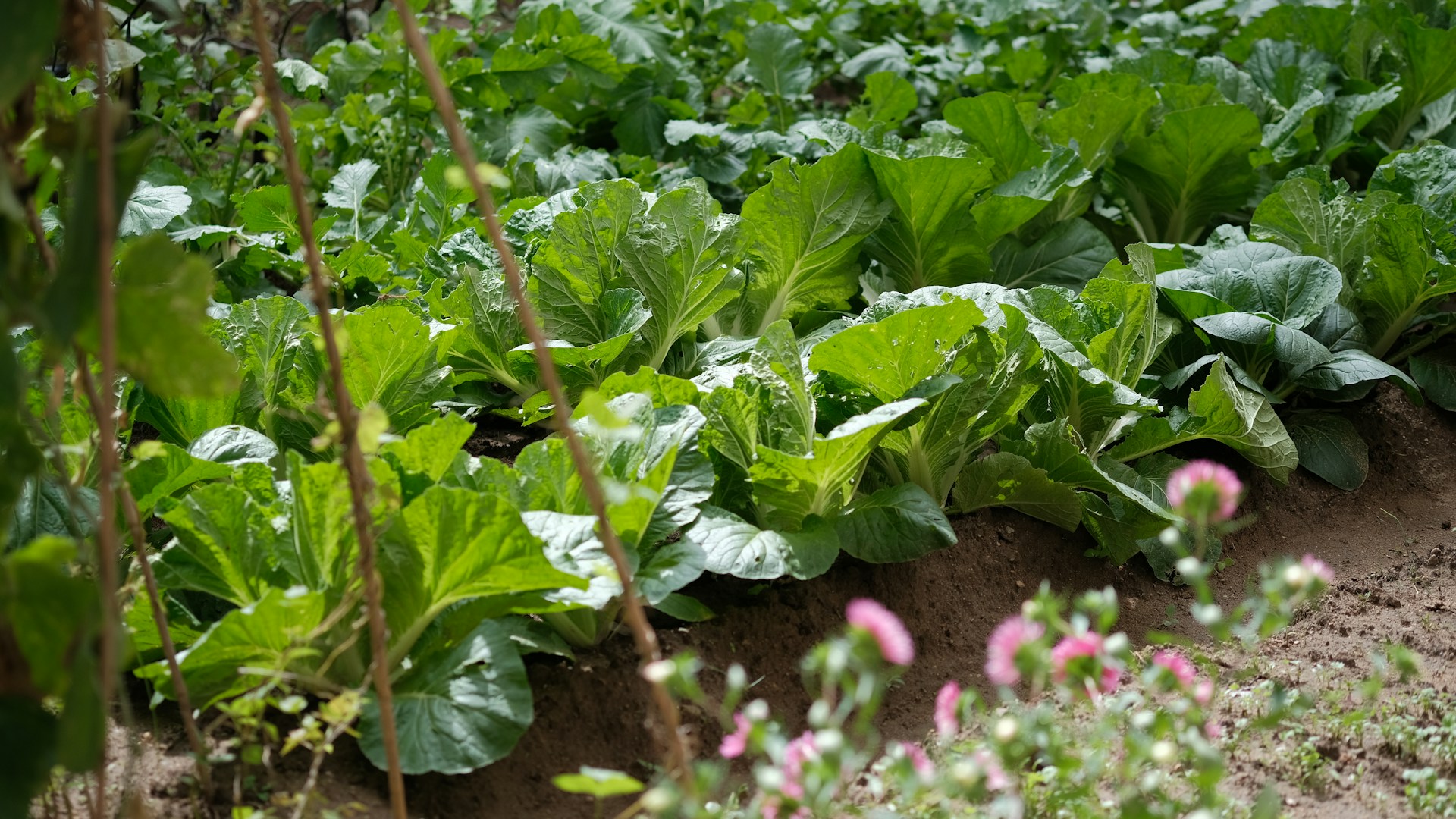
Penn State Extension’s article “Season Extenders and Growing Fall Vegetables” (Diane Diffenderfer, updated May 2024) explains how a cold frame helps. It says “a cold frame uses only sunlight to moderate the interior temperature,” and that cool-season crops can be seeded directly into the bed or grown in containers inside it in the fall.
The extension suggests placing the frame on a slight slope with a south or southeast exposure, with its back against a wall or hedge for protection from wind, ice and snow. The cover can be glass, plastic or fiberglass, and an angled cover captures more sun.
A second Penn State Extension page, “Cool-season vs. Warm-season Vegetables” (Lehigh County Master Gardeners, updated June 2024), lists the crops that like the cold. Cold hardiness varies by variety and by your zone, so treat the numbers below as guides. Here are 12 to try.
Kale Gets Sweeter After A Light Frost
The Lehigh County Master Gardeners say kale is winter-hardy, and that a light frost converts its starches into sugar, which improves flavor. Penn State’s other article also lists kale among the crops that sweeten over the winter.
Tuck it into your cold frame and pick leaves as you need them. Cold weather is on its side.
Brussels Sprouts Also Improve With A Chill
According to the Master Gardeners, Brussels sprouts are winter-hardy, and frost converts their starches into sugar. Penn State’s Diffenderfer lists them among the winter-sweetening crops too.
They take a long season to grow, so plan ahead. The reward is a sweeter sprout.
Carrots Can Stay Sweet In The Cold
Penn State Extension lists carrots among the winter-sweetening crops and suggests Scarlet Nantes as a variety. It cites Cornell’s last planting date of July 25 for carrots in its example area.
Your date will differ, so check your own frost dates. In Penn State’s University Park example, frost runs from October 12 to May 10.
Spinach Does Well When The Weather Turns
The Master Gardeners say spinach bolts rapidly in warm weather, which means it produces flowers and seeds. Penn State suggests Winter Bloomsdale as a variety and cites Cornell’s last planting date of August 30 for spinach in its example.
That makes spinach a natural choice for a fall cold frame. Cool air is what it wants.
Lettuce Prefers The Cooler Months
According to the Lehigh County Master Gardeners, warm weather causes salad greens such as lettuce to bolt quickly, and bolt-resistant varieties help. Penn State’s article cites Cornell’s July 25 last planting date for head lettuce.
A cold frame gives you a sheltered spot for salad into the cooler months. Seed it in the fall bed.
Collards Hold Up To 0 Degrees
Penn State’s Diffenderfer says collards hold to 0°F (-18°C). Blue Max is one of the suggested varieties.
That is serious cold tolerance for a leafy green. Collards are a solid pick for the cold frame, and the extension names Blue Max as one to try.
Dark Blue-Green Leeks Survive The Deep Cold
According to Penn State, darker blue-green leeks are most likely to survive plunges to 0°F (-18°C). Look for that color when you choose a variety.
Leeks are a sturdy choice for the cold season, and the shade of the leaf is an easy clue to check at the garden center.
Parsnips Are Generally Tolerant To 0 Degrees
Penn State says parsnips are generally tolerant to 0°F (-18°C), and lists them as winter-sweetening. Cold nights are part of what brings out their flavor.
Plan on a late dig for sweet roots. The wait is worth it.
Mache Can Survive Unprotected In Zone 6 And Higher
The extension says mache survives winters unprotected in zone 6 and higher. Under the cover of a cold frame, it has an extra layer of defense.
It is a small, tender salad green that surprises people. In colder zones, a cold frame adds an extra layer of protection.
Swiss Chard Needs A Cold Frame Or Low Tunnel
Penn State says chard should be protected in a cold frame or low tunnel for winter harvests. It appears on both extension pages’ lists of cool-season crops.
Colorful stems brighten a gray season, and a covered bed keeps the harvest within easy reach.
Turnips Like Cool Weather, But Check The Variety
The extension lists turnips among the winter-sweetening crops, and cites Cornell’s last planting date of August 30. It says Hakurei turnips handle temperatures below 10°F (-12°C) poorly, even with protection.
That is a useful reminder. Match the variety to your winter.
Beets Are Another Winter-Sweetening Crop
Penn State lists beets among the winter-sweetening crops and cites Cornell’s August 15 last planting date. Beets are on the Lehigh County Master Gardeners’ cool-season list as well.
Planting dates depend on where you live. Count back from your first frost date and work from there.
A cold frame is a modest, handy tool that stretches your harvest. Penn State also says cold frames start seeds and harden off maturing seedlings in spring, so the same box keeps working after winter ends.
Start with a few of these crops and see what your zone allows. Even one small bed of greens in November feels like a victory.
More Stories You May Like
- Third Plumber Called After Two Drain Fixes Failed Finds the Real Blockage at the Grease Trap and Clears It With a Pointy Nozzle
- Mixing Bleach With Ammonia Or Vinegar Can Release Dangerous Fumes And Natural Cleaners Can Damage Granite And Hardwood So Read The Label First
- Wiping Moldy Walls With Bleach Is Not Enough Because The Moisture Problem Behind It Keeps Feeding The Growth And Some Spots Need A Professional
Leave a Reply