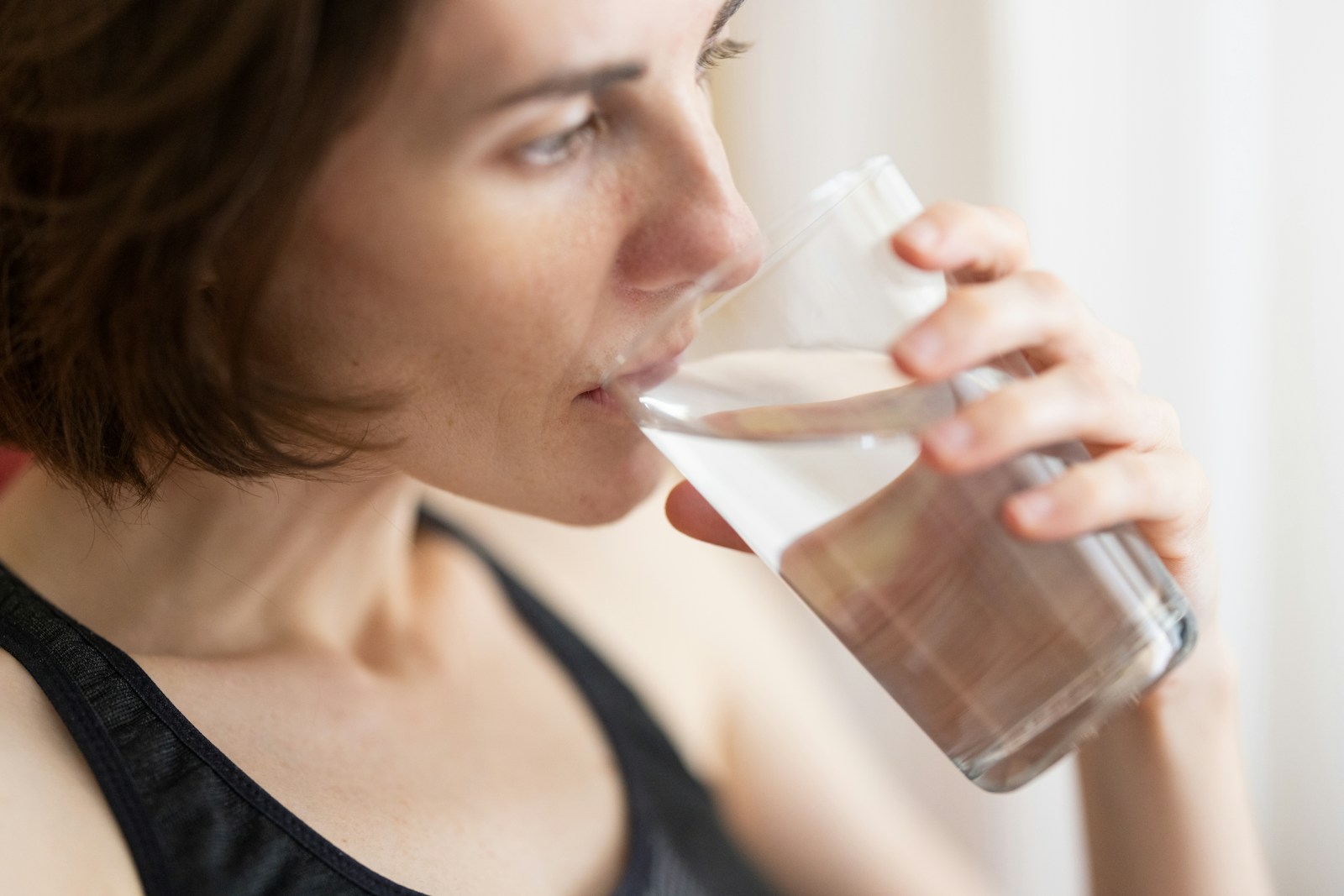
Most people don’t walk around thinking, “Ah yes, I am dehydrated.” It’s usually more like: your skin looks a little blah, your head feels a little tight, and somehow you’re both tired and weirdly snacky. Dehydration can be sneaky like that—less “desert survival” and more “why do I feel off for no obvious reason?”
And no, this isn’t about guzzling gallons all day or carrying a water bottle that looks like gym equipment. It’s about noticing the quiet signals your body sends when it’s running low on fluids, and what you can do about it without overcomplicating your life.

1) Your skin looks dull… and makeup (or sunscreen) isn’t sitting right
If your glow has gone missing lately, dehydration might be part of the story. When you’re low on water, skin can look flatter, less bouncy, and a little more textured—like it’s lost some of its “smooth filter” effect. Fine lines can appear more noticeable, especially around the eyes and mouth.
You might also notice foundation clinging to dry patches or sunscreen pilling more than usual. That doesn’t always mean you need a new product; sometimes your skin is just asking for hydration from the inside and out. A moisturizer helps, sure, but it can’t fully substitute for enough fluids overall.
2) Your lips keep getting chapped (and lip balm isn’t cutting it)
Chapped lips are one of those things we blame on weather, stress, or “I guess I’m just a lip-peeling person now.” But lips are often quick to show dehydration because they don’t have oil glands like the rest of your skin. When your body is conserving water, your lips can feel it.
If you’re reapplying balm constantly and still feel dry, it’s worth checking in with your water intake. Also watch for mouth dryness, sticky-feeling saliva, or a scratchy throat that shows up even when you’re not sick. Your body’s basically nudging you with a tiny “please hydrate” note.
3) You’re getting “mystery headaches” or feeling foggy in the afternoon
A dehydration headache can be surprisingly subtle—more pressure than pain, more “tight band” than migraine drama. Even mild dehydration may affect blood volume and circulation, which can contribute to that slow-building, hard-to-focus feeling. If your afternoon slump hits like a wave, water could be a missing piece.
One clue: if you realize you’ve had coffee, maybe a snack, and zero water since morning. Caffeine isn’t automatically evil, but it can nudge you to forget plain fluids, and it doesn’t always replace them. If a glass of water helps within 20–30 minutes, that’s useful information.
4) Your bathroom habits changed—either you’re going less, or your urine is darker
This one’s not glamorous, but it’s practical. If you’re barely peeing, or your urine looks dark yellow (think apple juice, not lemonade), your body may be trying to hold onto water. Ideally, urine is a pale straw color most of the time, though vitamins and certain foods can change the shade.
Also pay attention to how you feel when you do go. If you’re suddenly dealing with mild constipation or “everything’s moving slower,” dehydration can play a role because your body pulls more water from the digestive tract. Not fun, but very fixable.
5) You feel hungrier than usual, especially for salty or crunchy snacks
Dehydration and hunger can get mixed up because the cues are similar—your body wants something, and it’s not always specific about what. Sometimes thirst shows up as cravings, especially for salty foods (which can be your body’s way of saying it wants fluid balance). If you’re raiding the pantry and still feel unsatisfied, you might actually be thirsty.
A simple experiment: drink a glass of water and wait 10 minutes before going back for round two. If the craving softens, you’ve learned something. If it doesn’t, eat the snack—just don’t skip the water part of the equation.
6) Your energy is low, workouts feel harder, and you’re more irritable than you’d like
When you’re dehydrated, your body has to work harder to do basic tasks, and it can show up as fatigue that feels out of proportion to your day. Exercise may feel tougher, your heart rate might climb faster, and recovery can feel sluggish. Even small fluid deficits can affect performance, especially if you sweat a lot or live somewhere hot.
Mood can take a hit too. Irritability and that “everything is annoying” vibe aren’t always about your schedule or your inbox—sometimes your brain just wants more water. If you’ve been snapping at your phone because it dared to send a notification, hydration is a low-effort place to start.
So how much water do you actually need?
There’s no perfect one-size number, but a helpful baseline is: drink regularly throughout the day, and adjust for heat, exercise, alcohol, and salty meals. If you’re thirsty, that’s already a sign you’re behind, but it’s not a crisis—just a reminder. Aim for urine that’s pale yellow most of the time, and notice how your skin, energy, and headaches respond.
If plain water feels boring, you’ve got options. Sparkling water, herbal tea, water with citrus, or foods with high water content (cucumbers, watermelon, oranges, soups) all count. Electrolytes can be useful if you’re sweating heavily or doing long workouts, but you don’t need a sports drink for a casual stroll.
When dehydration isn’t the whole story
Some signs of dehydration overlap with other issues—dry skin can be weather or skincare-related, fatigue can be sleep or stress, headaches can have many causes. If you’re drinking fluids consistently and still dealing with frequent dizziness, rapid heartbeat, confusion, fainting, or severe headaches, it’s worth checking in with a healthcare professional. The same goes if you have medical conditions or medications that affect fluid balance.
But for everyday “why do I feel slightly off?” moments, hydration is one of the simplest things to test. Your body is pretty honest when you listen closely. And it’s kind of nice when the fix is as straightforward as a glass of water you didn’t realize you needed.
More from Willow and Hearth:
Leave a Reply