Some problems announce themselves the moment you walk through the door — a cracked window, a stained ceiling, a musty basement. Others hide quietly behind walls and under floors, waiting until months or years after closing to reveal themselves in the form of a five-figure repair bill. The gap between a charming fixer-upper and a genuine money pit often comes down to a small handful of structural and mechanical issues that are expensive by nature, no matter how lovely the rest of the house looks.
Before falling for a home’s curb appeal or character, it’s worth understanding which underlying problems have the potential to quietly drain a budget for years to come. Here are the ones that come up most often as the difference between a good investment and a financial headache.
Foundation Cracks and Settling
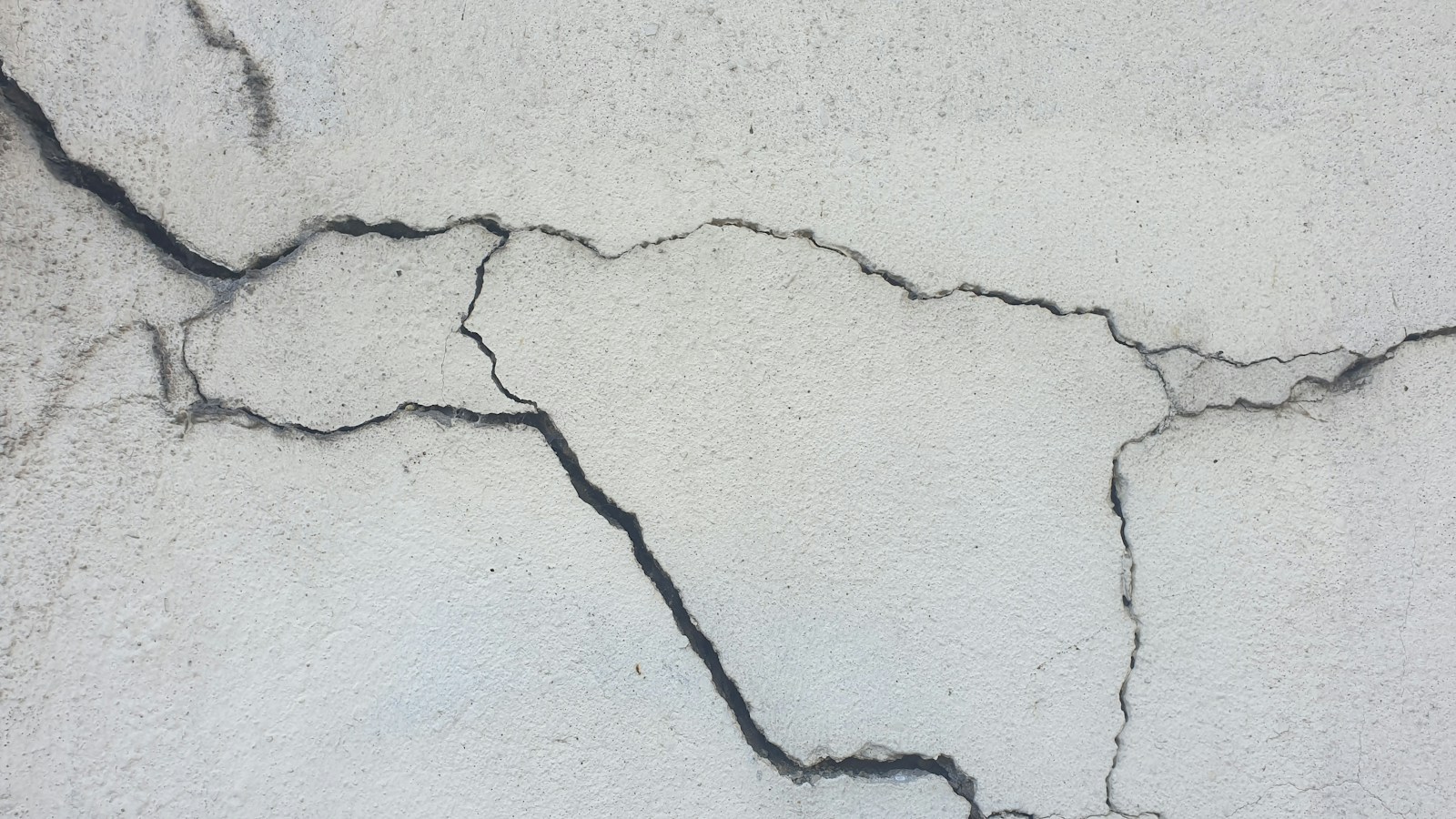
A home’s foundation is its most expensive component to fix precisely because everything else sits on top of it. Hairline cracks in a foundation wall are often cosmetic and related to normal curing, but wider cracks, stair-step patterns in masonry, or doors and windows that stick and don’t close properly can point to more serious structural settling. Repairs can range from injecting epoxy into minor cracks to full foundation underpinning, which can run into the tens of thousands of dollars depending on the extent of the damage and the type of soil involved. Because foundation issues tend to worsen over time if left untreated, and because they can affect nearly every other system in the house as the structure shifts, this is one of the few defects that can single-handedly turn an otherwise great house into a financial liability. A structural engineer’s evaluation, not just a general home inspector’s opinion, is worth the extra cost when foundation issues are suspected.
An Outdated or Undersized Electrical Panel
Older homes sometimes still have fuse boxes, knob-and-tube wiring, or electrical panels from brands known for reliability issues, and any of these can be both a safety hazard and a major expense to correct. An underpowered panel may not be able to handle the demands of modern life — air conditioning, electric vehicle charging, home offices full of equipment — leading to tripped breakers or, worse, fire risk from overloaded circuits. A full panel upgrade, especially if it requires rewiring parts of the house to bring things up to current code, is a substantial expense that isn’t always visible during a casual walkthrough. It can also complicate getting homeowners insurance, since some insurers decline to cover or charge more for homes with certain outdated panel types. Buyers touring older homes should specifically ask about the age and type of the electrical panel rather than assuming it’s been updated.
Radon Gas
Radon is a naturally occurring radioactive gas that can seep into homes from the soil, and it’s completely undetectable without testing — no smell, no visible sign, nothing that would show up on a typical walkthrough. The Environmental Protection Agency recommends testing every home before purchase, regardless of the home’s age, location, or whether neighboring homes have tested clean, since radon levels can vary significantly even between adjacent properties. If levels come back elevated, mitigation systems, which typically involve a vent pipe and fan system to redirect the gas outdoors, are a manageable but real added cost, generally running into four figures depending on the home’s foundation type. Skipping the test to save a few hundred dollars is one of the more common regrets among buyers who later discover elevated levels and have to retrofit a mitigation system after the fact, on top of ongoing peace-of-mind concerns.
Mold Hidden Behind Walls or Under Flooring
Visible mold in a bathroom corner is one thing, but the more expensive scenario is mold that’s taken hold behind drywall, under flooring, or inside HVAC ductwork after a slow, hidden leak. By the time it’s discovered, remediation can require removing and replacing large sections of drywall, insulation, and sometimes flooring, in addition to identifying and fixing whatever moisture source caused it in the first place. A musty smell in a basement or a bathroom, even without visible mold, is worth investigating further before buying rather than assuming it’s just an old-house smell. Homes with a history of flooding, roof leaks, or plumbing issues carry a higher risk, and a specialized mold inspection, beyond what’s covered in a standard home inspection, can be worth the extra cost for a home with any of those red flags in its history.
A Failing Septic System
For homes not connected to municipal sewer service, the septic system is easy to overlook during a showing since it’s entirely underground, but a failing system is one of the most expensive surprises a homeowner can face. Signs of trouble include slow drains throughout the house, sewage odors in the yard, unusually lush patches of grass over the drain field, or standing water near the tank. A full septic system replacement, particularly if the drain field needs to be relocated or the soil doesn’t perc well, can be a significant expense. A standard home inspection often does not include a thorough septic evaluation, so buyers in rural or suburban areas with private septic systems should budget for a separate septic inspection, including having the tank pumped and visually assessed, before finalizing a purchase.
A Roof Near the End of Its Life
Roofing material generally has a defined lifespan — asphalt shingles typically last a couple of decades, depending on climate and installation quality — and a roof that’s approaching or past that window is a looming expense even if it isn’t actively leaking yet. Missing or curling shingles, granules collecting in gutters, and visible sagging are all signs a roof may need replacement sooner rather than later. Beyond the direct cost of a new roof, a compromised roof can lead to secondary damage like water intrusion, insulation problems, and mold if a leak develops before the replacement happens. Some insurers also decline to renew coverage or require a roof certification for older roofs, which can create complications at closing or renewal time. Asking for the roof’s age and any warranty documentation is a simple step that can prevent an expensive surprise down the line.

Outdated or Failing Plumbing
Homes built in certain eras may still have polybutylene piping, known for a tendency to fail at the joints, or galvanized steel pipes that corrode from the inside over decades, gradually restricting water flow and eventually leaking. Both are the kind of issue that’s invisible during a normal walkthrough but can lead to water damage, reduced water pressure, and in some cases whole-house repiping, a disruptive and costly project that involves opening up walls throughout the home. Low water pressure, discolored water, or frequent small leaks are all signs worth investigating before buying. A plumbing-specific inspection, beyond the general home inspector’s visual check, can identify pipe material and condition more thoroughly, and it’s a relatively small expense compared to the cost of discovering a full repiping job is needed after moving in.
Leave a Reply