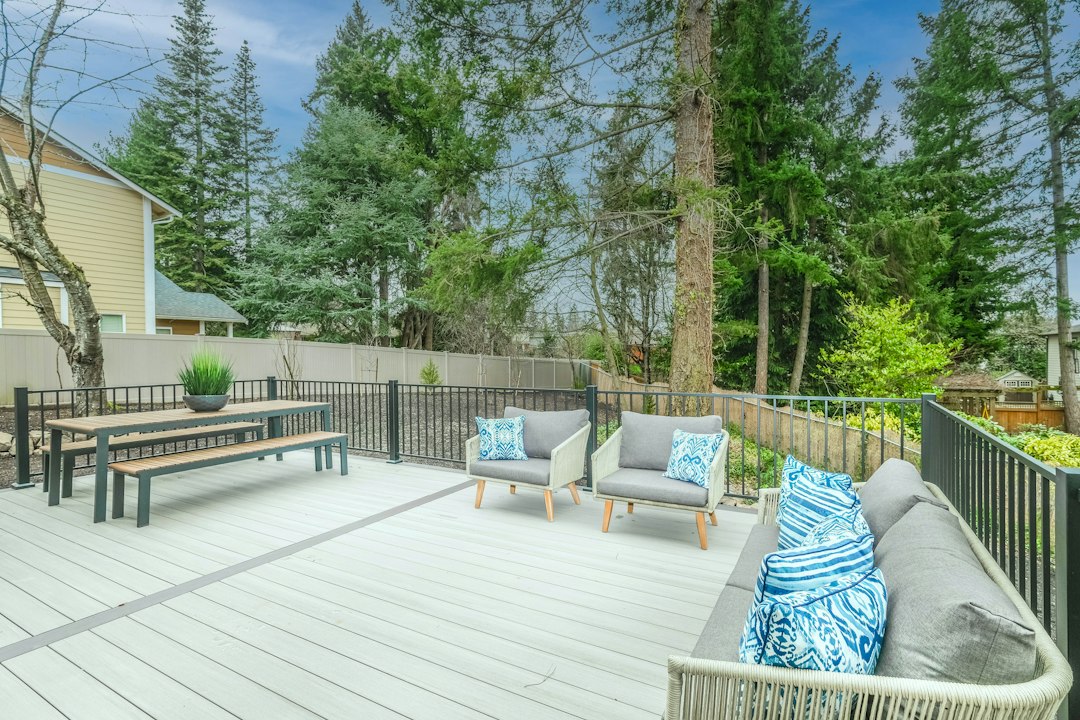
A deck looks like one of the lower-maintenance features of a home — just a flat wooden or composite surface sitting outside, exposed to the weather. In practice, decks demand a steady drip of upkeep that most new homeowners don’t fully appreciate until they’ve owned one through a few seasons.
According to decking industry guidance, moisture is consistently the single biggest threat to a deck’s lifespan, which explains most of the lessons on this list. Here’s what tends to surprise people.
Wood decks need refinishing far more often than expected
A pressure-treated or natural wood deck typically needs to be cleaned and resealed every one to three years depending on climate and sun exposure, not the “once and done” treatment many new owners assume. Skipping this cycle lets moisture penetrate the wood, accelerating rot, warping, and splintering well before the deck’s expected lifespan should end.
Gaps between boards matter more than they look like they should
Boards installed too tightly together don’t allow adequate airflow and drainage, which traps moisture and debris between them. Over time, this trapped moisture becomes one of the most common causes of premature rot, especially in the areas of a deck that get the least direct sunlight.
The space underneath needs attention too
Leaves, dirt, and debris that collect underneath a deck hold moisture against the underside of the boards and the structural joists, areas that are easy to forget because they’re out of sight. Periodically clearing debris from underneath is just as important as cleaning the visible surface.
Metal fasteners can fail before the wood does
Screws, nails, and joist hangers are exposed to the same moisture cycles as the decking itself, and lower-quality or non-galvanized fasteners can rust and weaken years before the surrounding wood shows obvious damage. A yearly check of railings, stair connections, and any wobbly boards can catch a fastener failure before it becomes a safety issue.
Composite decking still requires real cleaning
Many homeowners choose composite materials specifically to avoid staining and sealing, but composite decking still needs regular washing to prevent mold and mildew growth, particularly in shaded or humid areas. It’s lower maintenance than wood, not maintenance-free.
Furniture and planters can trap moisture in one spot
Leaving furniture, rugs, or potted plants in the same location for long stretches blocks airflow and sunlight to that specific section of decking, which can lead to discoloration, mold, or accelerated wear in a very visible, localized pattern. Rotating furniture periodically helps the whole surface age evenly.
Small repairs left alone tend to spread
A single loose board or slightly soft spot rarely stays isolated for long. Water finds its way into any small crack or gap, and what starts as one problem board can spread to its neighbors within a season or two if it isn’t addressed. Catching and fixing small issues immediately is far cheaper than replacing a larger section later.
Leave a Reply