Professional cleaners don’t walk into a house thinking, “Wow, what a mess.” They walk in thinking, “Okay, where’s the story here?” After a few minutes, they can usually tell what’s been keeping a home looking “almost clean,” why certain rooms never feel finished, and what’ll make the biggest difference fast.
And it’s not about judgment. It’s about patterns—tiny clues that show up in most homes, even the ones that look pretty tidy at first glance. Here are the seven things pros tend to notice right away, and what they often do about them.

1) The entryway tells on everyone
If there’s one spot that gives away a home’s cleaning rhythm, it’s the front door area. Shoes piled up, a dusty mat, fingerprints on the storm door, or a “mail mountain” on the console table are all dead giveaways of daily life happening at full speed.
Cleaners look at the floor right there, too—because grit from outside acts like sandpaper. If the entryway isn’t regularly swept or vacuumed, that dirt tends to travel. The fix is usually simple: a better doormat situation, a quick shoe corral, and a 30-second floor pass every few days.
2) The smell is the fastest “cleanliness test”
Before anyone notices a dusty shelf, they notice odor. Pros mentally clock it right away: does the home smell fresh, stuffy, overly perfumed, or like last night’s dinner is still paying rent?
Smells usually come from a short list—trash cans, drains, soft surfaces, pet areas, or that one mystery towel that never fully dries. Most cleaners don’t try to cover it up; they remove the source. Emptying and wiping the bin, refreshing sink drains, and washing throw blankets more often than you think you need to can change the whole vibe.
3) Kitchen “hot spots” give away what’s being skipped
Many kitchens look clean… until you get closer to the places hands touch constantly. Cleaners check cabinet handles, appliance buttons, fridge doors, and light switches, because those areas collect oils and grime even when counters are spotless.
They also notice the sink and faucet. A shiny countertop next to a cloudy faucet or gunky sink rim is like wearing a crisp outfit with toothpaste on your shirt. The good news: these spots clean up fast with the right degreaser (or dish soap and warm water) and a microfiber cloth.
4) Baseboards, corners, and vents quietly keep score
Most people clean what they can see at eye level. Professional cleaners look down, up, and behind—because dust settles where no one’s looking, then slowly makes the whole room feel dull.
Baseboards, wall corners, and air vents are common “telltales.” If they’re dusty, it doesn’t mean a home is dirty; it usually means cleaning time is limited, so the focus stays on surfaces that matter day-to-day. A pro will often do a quick vacuum edge pass and wipe baseboards in high-traffic rooms first, because it gives that “everything’s crisp” effect.
5) Bathroom shine depends on one sneaky detail: buildup
In bathrooms, it’s not just about wiping. Cleaners notice mineral deposits on faucets, soap scum where tile meets tub, and the faint ring that forms right at the waterline in toilets. These are the spots that make a bathroom feel “never quite clean,” even after you’ve worked hard on it.
They also check mirrors and chrome for streaks, because lighting in bathrooms is unforgiving. Pros typically tackle buildup with the right product and enough dwell time (translation: letting it sit before scrubbing). If you’re always fighting the same haze, it might not be effort—it might be hard water and the wrong cleaner.
6) Floors don’t just get dirty—they get “patterned”
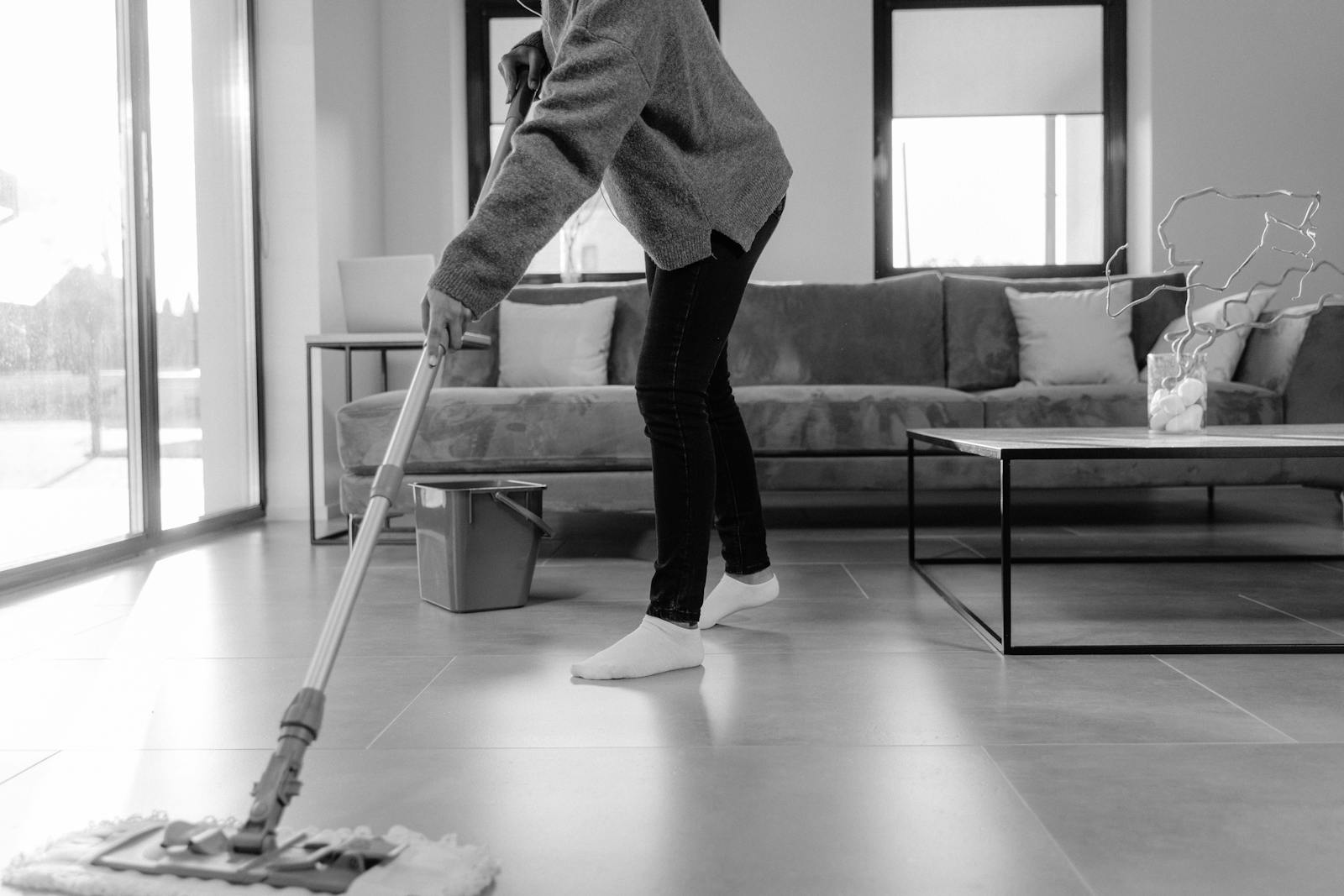
Professionals can often tell where people walk, where pets pace, and where chairs scoot just by looking at the floor. High-traffic lanes, sticky patches near the fridge, and grime trapped along edges are common, especially in open-plan spaces.
One thing that stands out quickly is when a floor has been mopped but not fully rinsed, leaving a slightly tacky feel that attracts more dirt. Pros tend to use less product than most people think, and they’ll change dirty water more often. It’s the boring secret behind that “hotel floor” look.
7) Clutter isn’t “mess”—it’s a cleaning speed limit
Cleaners notice clutter because it affects everything else, not because they’re judging your life choices. Lots of small items on counters, shelves, and nightstands makes dusting and wiping take twice as long, which means those surfaces often get skipped when time is tight.
The funny part is, many homes are only a few simple resets away from feeling dramatically cleaner. Pros look for easy wins: a basket for loose items, a tray to contain daily essentials, or one drawer that becomes the official “out of sight” spot for the odds and ends. Not magazine-perfect—just livable and quicker to maintain.
What cleaners do with these clues
Once they’ve spotted the patterns, professionals usually prioritize what will change the feel of the home fastest. That’s often air and smell first, then kitchens and bathrooms, then floors—because those areas affect comfort the most. The tiny details (baseboards, vents, door frames) come after the big impact zones are under control.
If you’re trying to clean like a pro without spending your entire weekend doing it, think the same way: focus on the places that change how a room feels, not just how it looks. And if your home is lived-in, congratulations—you’re using it correctly. The goal isn’t perfection; it’s getting things to a place where walking in the door feels like a small exhale.
More from Willow and Hearth:
Leave a Reply