A house doesn’t need a huge budget to look expensive, but it can absolutely have a huge budget and still look cheap. The difference usually comes down to a handful of small, easy-to-overlook decisions — the kind that don’t show up on a spec sheet but jump out the second someone walks through the front door. Mismatched finishes, harsh lighting, and furniture that doesn’t fit the scale of a room can undercut thousands of dollars of renovation work in an instant.
The good news is that most of these mistakes are fixable without a major overhaul. Here are the decorating choices that quietly make a beautiful, well-built home read as an afterthought instead of an investment.
Mismatched Metal Finishes Throughout the House
Chrome faucets in the bathroom, brass cabinet pulls in the kitchen, and matte black light fixtures in the hallway might each look fine on their own, but scattered across a house with no logic to the pairing, they read as disjointed rather than eclectic. High-end homes tend to pick one or two metal tones and repeat them intentionally room to room, which creates a sense that every choice was made on purpose. When finishes clash from room to room, it can make even a recently renovated home feel like a collection of leftover parts from different projects rather than a cohesive design. The fix doesn’t require replacing everything at once — swapping cabinet hardware or light fixtures over time to align around one or two metal families is a relatively low-cost way to visually tie a home together, and it’s one of the fastest ways to make a space feel deliberately designed instead of randomly assembled.
Builder-Grade Flush-Mount Lighting
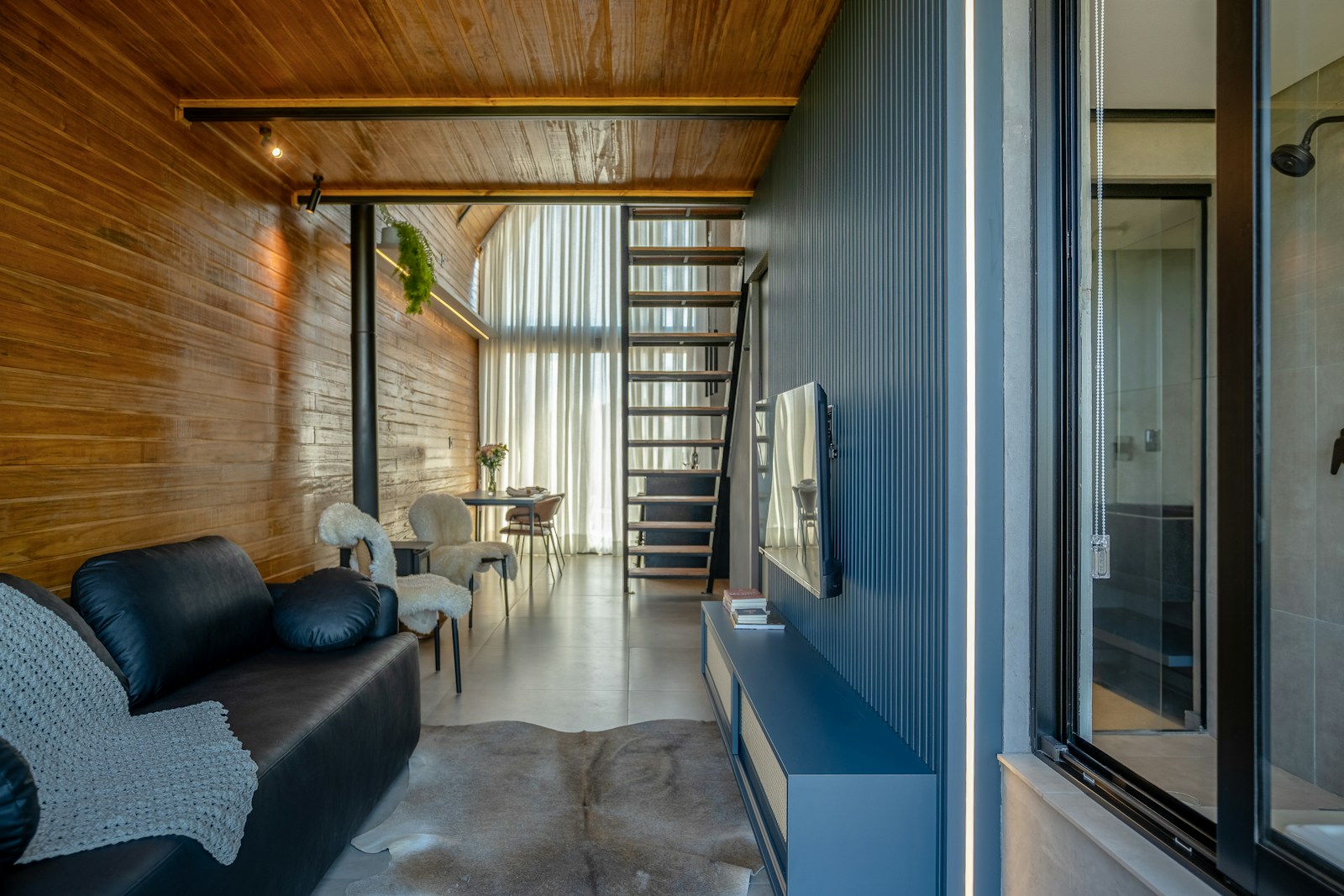
Little has as strong a budget signal as a plain glass or plastic flush-mount ceiling fixture left over from the original construction. These fixtures are inexpensive, cast flat and unflattering light, and are often the very first thing a builder installs to pass inspection rather than to look good. In a home where everything else — flooring, cabinetry, countertops — has been upgraded, a bare-bones flush mount immediately dates the room and signals that the lighting budget ran out. Swapping these fixtures for even modestly priced pendant, semi-flush, or statement fixtures is one of the most cost-effective upgrades available, since lighting has an outsized visual impact relative to its price. Layered lighting also matters: a single overhead fixture with no lamps, sconces, or under-cabinet lighting tends to flatten a room and make it feel like a rental rather than a home someone chose to live in deliberately.
Furniture That’s Too Small for the Room
A generously sized living room with a modest loveseat and a couple of small accent chairs floating in the middle of the floor can look sparse and cheap, even if every piece was expensive. Scale matters enormously in how a room reads, and undersized furniture makes a space feel unfinished, like the owners haven’t fully moved in or invested in the room yet. This often happens when people move a smaller starter-home living room set into a larger new house without reassessing proportions. The fix isn’t necessarily buying more furniture — it’s choosing pieces sized appropriately for the square footage, positioning them to define clear conversation areas, and using an area rug large enough that at least the front legs of the furniture sit on it. A room with fewer, better-scaled pieces almost always looks more put-together than one with several small items scattered around trying to fill space.
Visible Clutter of Cords and Electronics
Streaming boxes, routers, chargers, and a tangle of visible cords behind the TV or on a desk can undercut an otherwise polished room instantly. It’s a small detail, but it’s one of the first things the eye catches, and it reads as disorganized regardless of how much was spent on the furniture around it. Cord management solutions like cable raceways, in-wall power kits, or simply a decorative box to hide a router are inexpensive but make a noticeable difference. The same goes for visible power strips on the floor or extension cords running across a room — details that feel temporary and unfinished. Homes that photograph as high-end almost always have this invisible infrastructure hidden, precisely because it’s the kind of clutter that signals “still figuring it out” rather than a home that’s been thoughtfully finished down to the last detail.
Cheap Sheer Curtains or No Window Treatments
Thin, wrinkled sheer curtains from a big-box store, or bare windows with nothing on them at all, are one of the fastest ways to make a room feel unfinished. Windows are a focal point in most rooms, and how they’re dressed — or not dressed — has an outsized effect on the overall impression. Curtains that are too short, hung too close to the window frame, or made from flimsy fabric can make an otherwise nicely decorated room look like a staging afterthought. Designers generally recommend hanging curtain rods closer to the ceiling and wider than the window frame to create an illusion of height and light, along with using substantial, floor-length fabric. Even budget-friendly curtains look far more expensive when hung correctly, which makes this one of the rare fixes where technique matters more than how much was actually spent on the material itself.
Artificial Plants That Look Fake
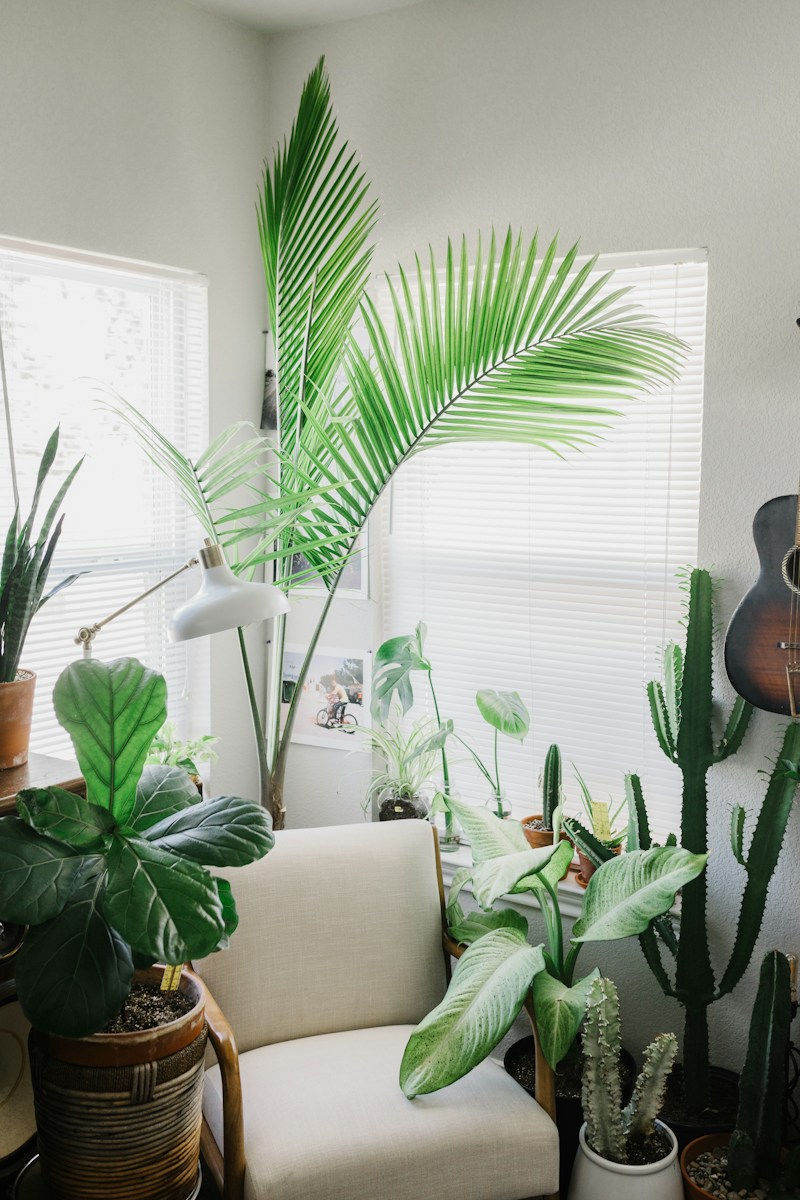
Greenery adds warmth and life to a room, which is why so many homeowners reach for faux plants as an easy shortcut. The trouble is that lower-quality artificial plants, especially ones with shiny leaves or unnatural coloring, tend to look plasticky under close inspection, and that cheapness draws the eye rather than blending into the background. A room with several obviously fake plants can undercut higher-end furniture and finishes nearby. Real plants, or higher-quality faux versions with more realistic texture and matte leaves, tend to photograph and read far better in person. For those without a green thumb, low-maintenance real plants like pothos or snake plants offer a middle ground, while investing in just one or two convincing faux statement plants tends to look more intentional than filling every corner with budget greenery from a discount bin.
Matching Furniture Sets From One Store
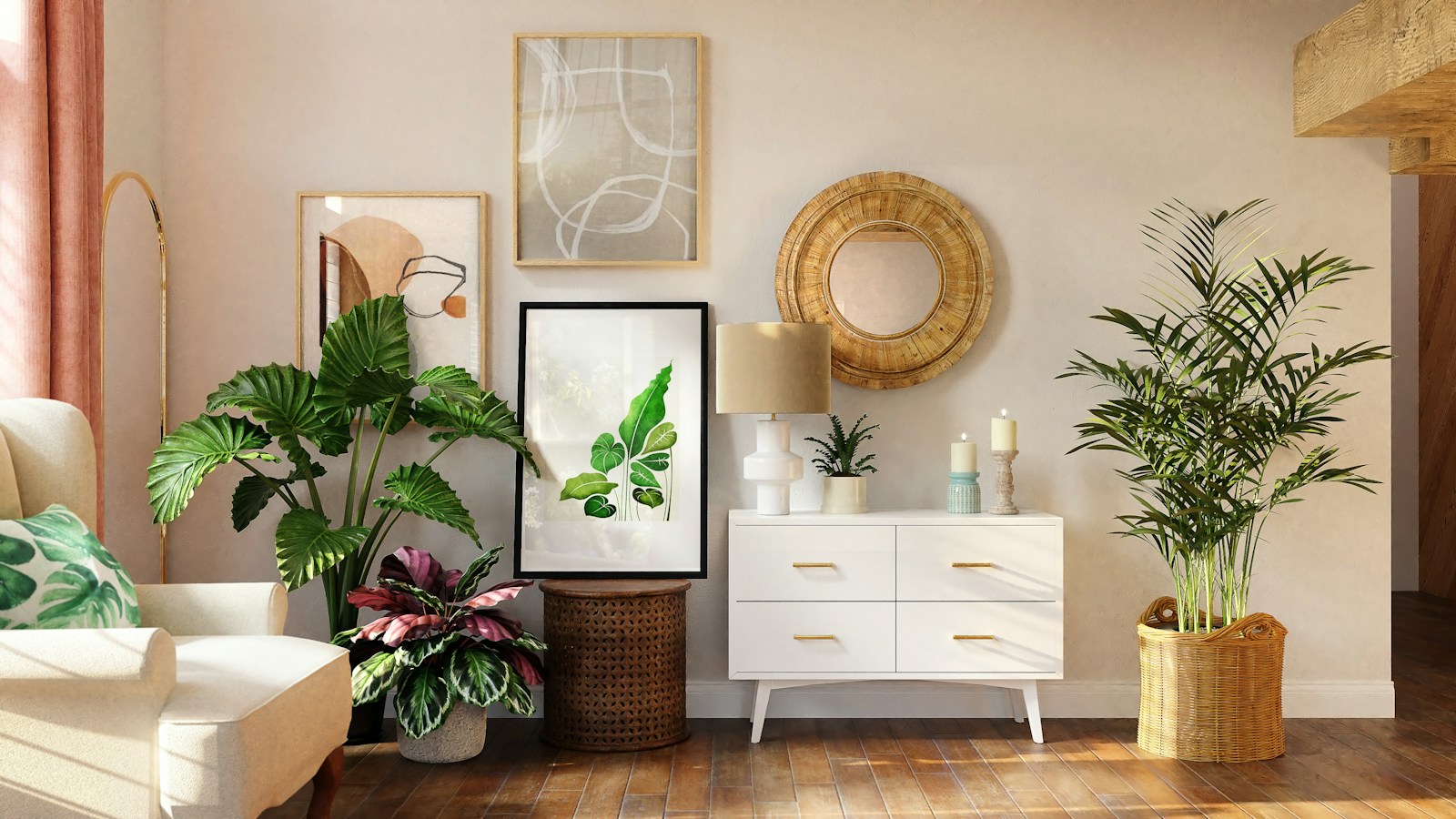
Buying an entire living room or bedroom set as a single matched package is convenient, but it often reads as generic rather than curated. When every piece comes from the same collection, a room can look like a furniture showroom display rather than a home that’s been assembled over time with pieces someone actually chose. High-end interiors typically mix eras, sources, and price points — a vintage find paired with something new, or an heirloom piece next to a contemporary sofa. That variety is part of what signals intention and personal taste rather than a one-click purchase. Breaking up a matched set, even slightly, by swapping in one different accent chair, a unique side table, or vintage lighting can make the whole room feel more layered and considered, without necessarily costing more than the matched set would have in the first place.
Bright White or Blue-Toned LED Bulbs Instead of Warm Light
Lightbulb color temperature is one of the most underrated factors in how expensive or cheap a home feels, and it’s also one of the cheapest to fix. Cool white or blue-toned LED bulbs, often chosen because they’re marketed as bright and energy-efficient, can cast a harsh, clinical light that makes even a beautifully renovated room feel like a doctor’s office or a big-box store. Warm white light, generally in the 2700 to 3000 Kelvin range, creates a cozier, more flattering glow that reads as intentional and inviting. Mixing bulb temperatures within the same room or even the same fixture compounds the problem, creating an uneven, patchy look. Since it’s simply a matter of buying different bulbs, this is one of the lowest-cost fixes on this list, yet it has an outsized effect on how upscale a space feels the moment someone walks in and the lights come on.
Leave a Reply