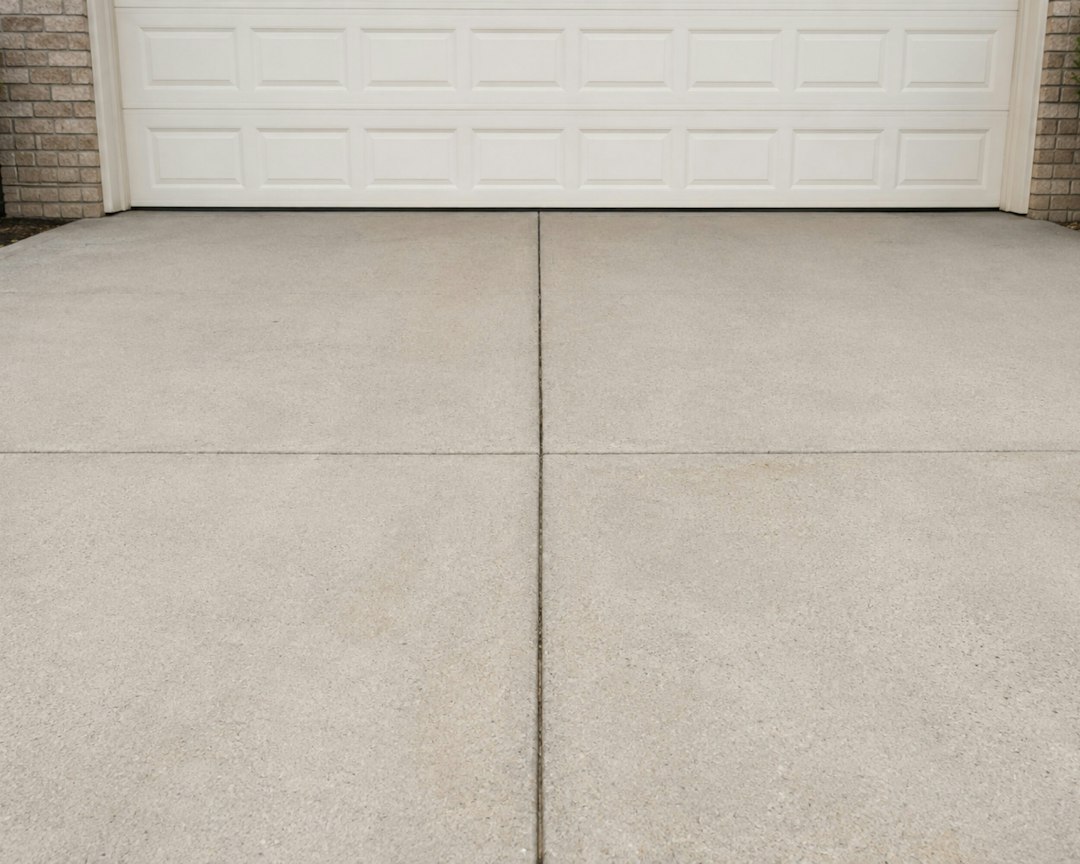
Shared driveways are more common than most buyers expect, especially in older neighborhoods, narrow urban lots, and some newer developments designed to squeeze more homes onto a block. On paper, splitting a driveway seems simple: two households, one strip of pavement.
In practice, a shared driveway works only as well as the agreement, written or unwritten, behind it. Here are nine questions worth asking before you buy a house with one.
Is There an Actual Recorded Easement Agreement?
A shared driveway should be governed by a formal, recorded easement agreement that runs with the land, not an informal understanding between whoever happened to live there when the arrangement started. Legal resources on shared driveways note that a properly recorded easement clarifies rights and responsibilities for future owners in a way a handshake deal never can, according to guidance from firms such as McLane Middleton. If no such agreement exists, or your title company can’t locate one, ask your attorney whether creating one before closing is worth pursuing.
Who Is Responsible for Maintenance and Repaving?
Without clear terms, it’s easy for both parties to assume the other will handle cracks, potholes, or eventual repaving, and for the driveway to simply deteriorate while nobody acts. A good agreement spells out how maintenance costs are split and who initiates repairs, ideally with a defined process for getting quotes and agreeing on contractors.
Who Handles Snow and Ice Removal?
In snowy climates, this is one of the most immediate practical questions, since a shared driveway left unshoveled affects both households’ ability to leave the house. Some agreements assign specific responsibility by week or season, while others split the cost of a plow service, but the key is having any answer at all before the first snowfall.
What Are the Parking Rules?
Shared driveways are notoriously prone to disputes over parked cars blocking access, guest vehicles taking up shared space, or one household treating more of the driveway as their own than the agreement intends. Clear, specific parking terms, ideally marked or understood boundaries, prevent this from becoming a recurring point of friction.
What Happens if One Party Sells the Home?
A well-drafted easement agreement should be binding on future owners, not just the original parties who signed it, so that a shared driveway arrangement doesn’t have to be renegotiated from scratch every time either house changes hands. Confirm this explicitly rather than assuming it, since poorly drafted agreements sometimes fail to address transfer of ownership clearly.
Who Is Liable if Someone Is Injured on the Driveway?
Because a shared driveway sits partly on each owner’s legal property, liability for a slip-and-fall or other injury can get complicated, and it’s worth understanding how your homeowners insurance treats a shared access area before you need to rely on it. Some agreements specify shared liability or require both parties to carry adequate coverage.
Are There Defined Access Hours or Delivery Rules?
For driveways serving businesses, multi-family conversions, or households with very different schedules, it can help to have explicit expectations around delivery trucks, contractor access, or anything else that might block the shared space during hours one household relies on it most.
Does Either Party Need Consent Before Modifying the Driveway?
Installing a gate, security camera, basketball hoop, or even repaving with a different material are all changes that affect both households, and a good agreement requires mutual consent before either party makes unilateral modifications to shared pavement.
Is There a Defined Process for Resolving Disputes?
Even well-intentioned neighbors disagree eventually, and an agreement that spells out a specific process, such as mediation before litigation, can prevent a minor disagreement from escalating into an expensive legal fight. Ask whether the existing agreement includes any dispute resolution language at all.
Leave a Reply