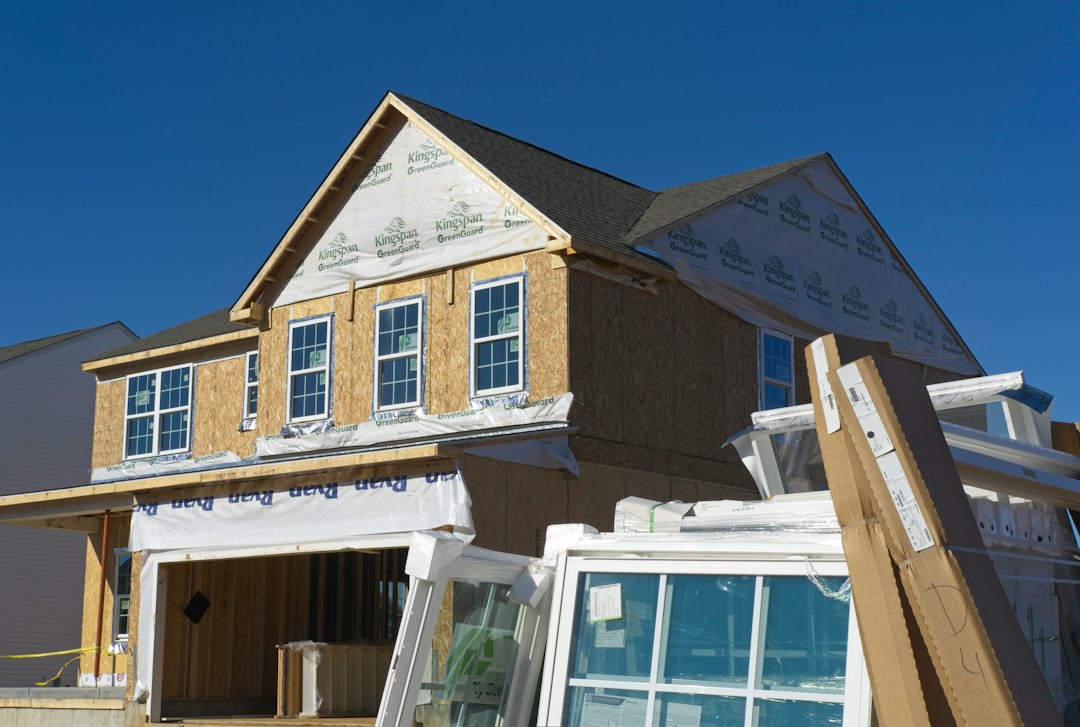
New construction comes with real advantages: modern layouts, updated systems, and a warranty on top of a house nobody has lived in before you. It’s easy to walk through a model home or a freshly finished listing and come away impressed.
But a lot of what makes new construction feel polished on a walkthrough is cosmetic, and the corners builders cut to hit a price point tend to reveal themselves within the first year of actually living there. Here are nine of the most common.
Builder-Grade Fixtures and Hardware
The faucets, cabinet pulls, and light fixtures included as standard in most production homes are chosen to look acceptable in photos at the lowest reasonable cost, not to hold up to years of daily use. Industry guidance on new construction routinely flags these entry-level finishes as one of the first things buyers notice wearing out or looking dated, according to contractor-facing resources on builder-grade materials. Faucets can develop a cloudy or spotted finish within a couple of years, and cheap cabinet hinges often loosen or squeak well before the rest of the kitchen shows any age.
Thin, Hollow-Core Interior Doors
Most production homes use lightweight hollow-core doors throughout, which keep costs down but feel noticeably flimsy compared to solid or solid-core doors, especially when closed with any force. Beyond the feel, hollow doors do little to block sound between rooms, which becomes obvious the first time someone is on a call in one room while another is watching television nearby.
Minimal or Missing Trim and Molding
Baseboards, door casings, and crown molding add a surprising amount of visual weight to a room, and production builders often use the thinnest, plainest profiles allowed by code, or skip crown molding entirely on upper floors. The difference is subtle in isolation but adds up across a whole house, leaving rooms feeling flatter and less finished than similarly sized rooms in an older or custom-built home.
Countertops That Photograph Better Than They Wear
Listings often describe countertops as “premium” or “designer,” but the base-level laminate or low-grade quartz included in many entry price points can scratch, stain, or show seams more readily than higher-grade materials. Homeowners sometimes discover this only after a hot pan leaves a mark or a dropped glass chips the edge, details that don’t show up in a well-lit listing photo.
Thin Walls With Minimal Sound Insulation
Standard stud spacing and minimal insulation between rooms, and especially between floors, means sound travels more easily in many new builds than buyers expect walking through an empty, furniture-free model home. Footsteps overhead, conversations in the next room, and even plumbing sounds can be more noticeable than in older homes with plaster walls or denser building materials, something that only becomes obvious once the house is actually furnished and lived in.
Vinyl Flooring Throughout the Main Level
Luxury vinyl plank has become the default flooring in much of new construction because it’s durable and inexpensive to install, but an entire main floor of the same vinyl can feel repetitive and less distinctive than a mix of materials. It also doesn’t have the same resale cachet as hardwood in many markets, and dents or gouges from moving furniture can be more visible than buyers expect from a material marketed as scratch-resistant.
Bare-Bones Standard Landscaping
Many new builds include only basic sod and a few token shrubs as standard landscaping, with anything more left as an expensive upgrade or a project for the new owner. A yard that looked fine on closing day can feel stark and unfinished within the first year, and mature landscaping elsewhere in an established neighborhood can make a new build’s yard look noticeably behind.
Fewer Electrical Outlets Than Expected
Builders typically wire homes to meet minimum code requirements for outlet spacing, which is often less generous than what a homeowner actually needs once furniture, lamps, and electronics are in place. Extension cords and power strips become a common workaround in rooms that seemed perfectly outfitted during the empty, staged walkthrough.
A Single Ceiling Fixture Instead of Layered Lighting
To keep electrical costs down, many production homes include just one central ceiling fixture per room rather than the layered lighting, such as recessed cans, sconces, or dedicated task lighting, found in higher-end or custom builds. A single overhead light can leave rooms feeling flat and under-lit compared to homes designed with multiple light sources, and retrofitting additional lighting after drywall is finished is a far bigger project than wiring it in during construction.
Leave a Reply