As the weather starts to cool and the days get shorter, your garden needs a little extra attention to prepare for the coming frost. Taking some time to care for your plants and soil now can make a big difference in how your garden recovers and grows next season.
Knowing which tasks to prioritize before the first frost helps protect your plants and keeps your garden healthy through winter. It’s all about wrapping things up and setting the stage for spring without feeling overwhelmed by too much work.
Prune tomato plants to stop growth before frost
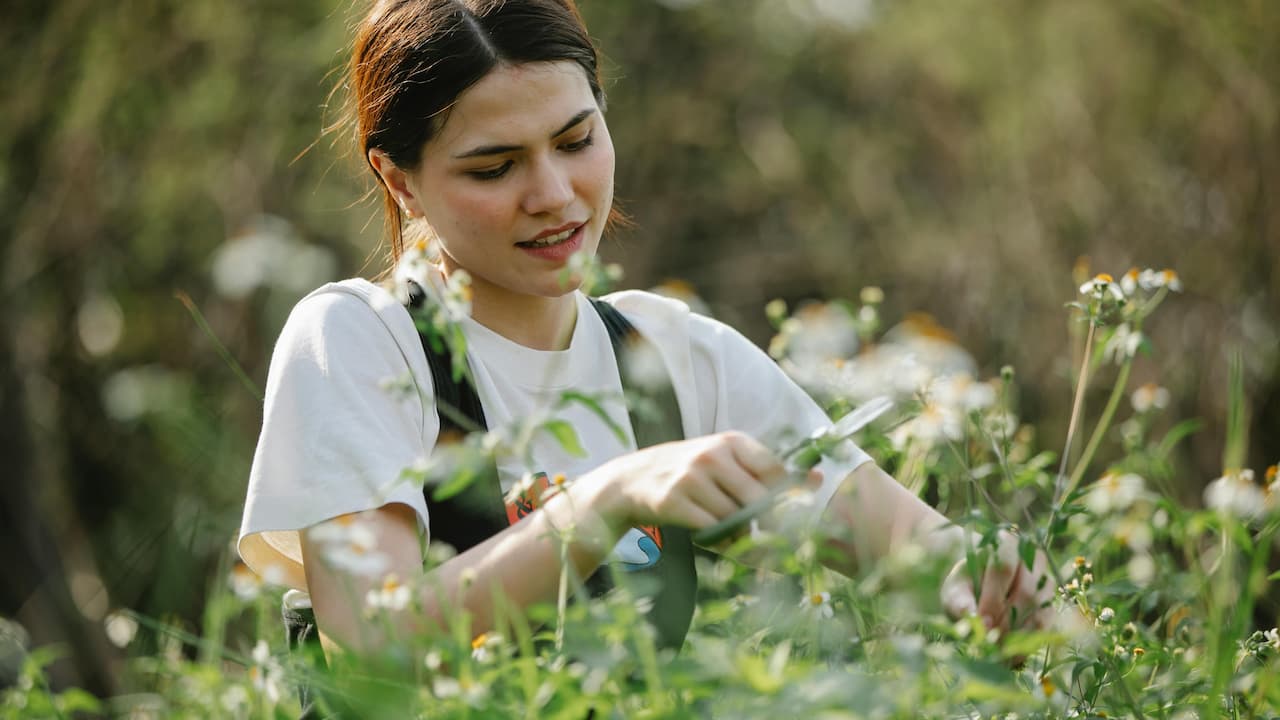
You’ll want to prune your tomato plants about a month before the first frost. Removing the growing tips helps stop new growth and lets the existing fruit ripen fully.
Cut off suckers and any unnecessary branches, especially lower ones near the ground, to focus energy on the main stems. This also improves air circulation and reduces disease risk.
Topping the plants gives your tomatoes the best chance to mature before frost ends the season.
Harvest all basil leaves before frost hits
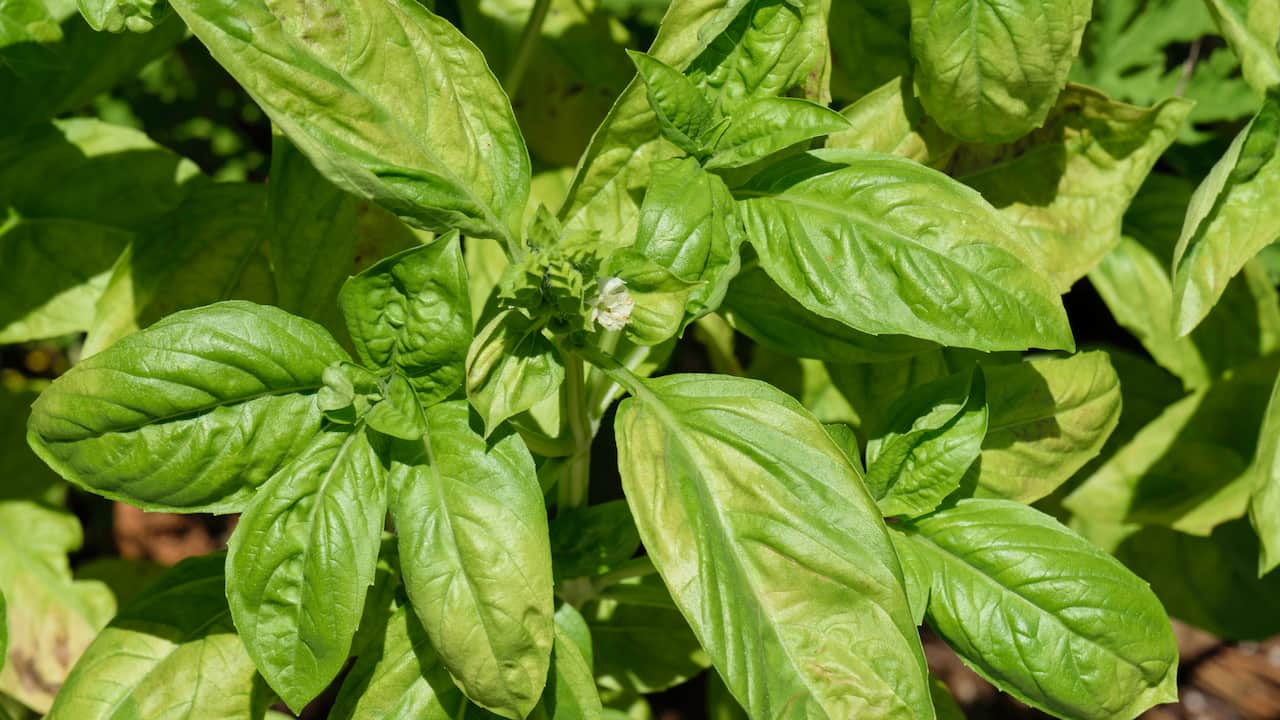
You want to get your basil harvested before the first frost arrives. Frost can damage basil leaves and kill the plant quickly.
Cut whole stems just above the leaf nodes instead of plucking individual leaves. This helps the plant stay healthy if you’re still growing it indoors.
After harvesting, rinse the leaves to remove dirt. You can then dry or store them to use later through the winter.
Add a thick layer of compost to garden beds

You should spread a thick layer of compost over your garden beds before the frost hits. This helps improve soil structure and adds nutrients slowly over the winter.
Avoid mixing it in deeply if the ground is frozen or very cold. The compost will break down naturally and feed your soil for spring planting.
Bring tender potted plants indoors
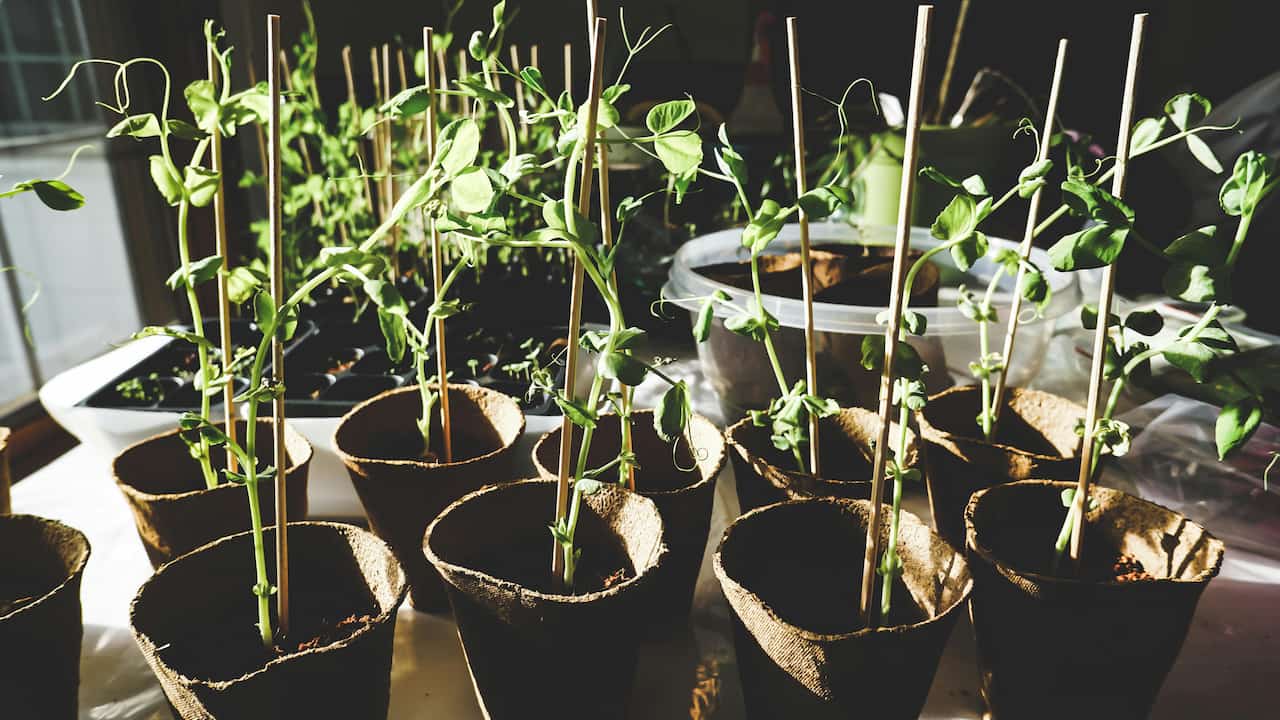
You’ll want to move your tender potted plants inside before the first frost hits. A good rule is to bring them in when temperatures start dropping below 50°F.
Start by placing plants in a shaded outdoor spot for a few days. This helps them adjust to lower light before coming indoors.
Once inside, find a bright spot away from drafts. Keep an eye on watering since indoor conditions dry soil more slowly.
Drain garden hoses and rain barrels
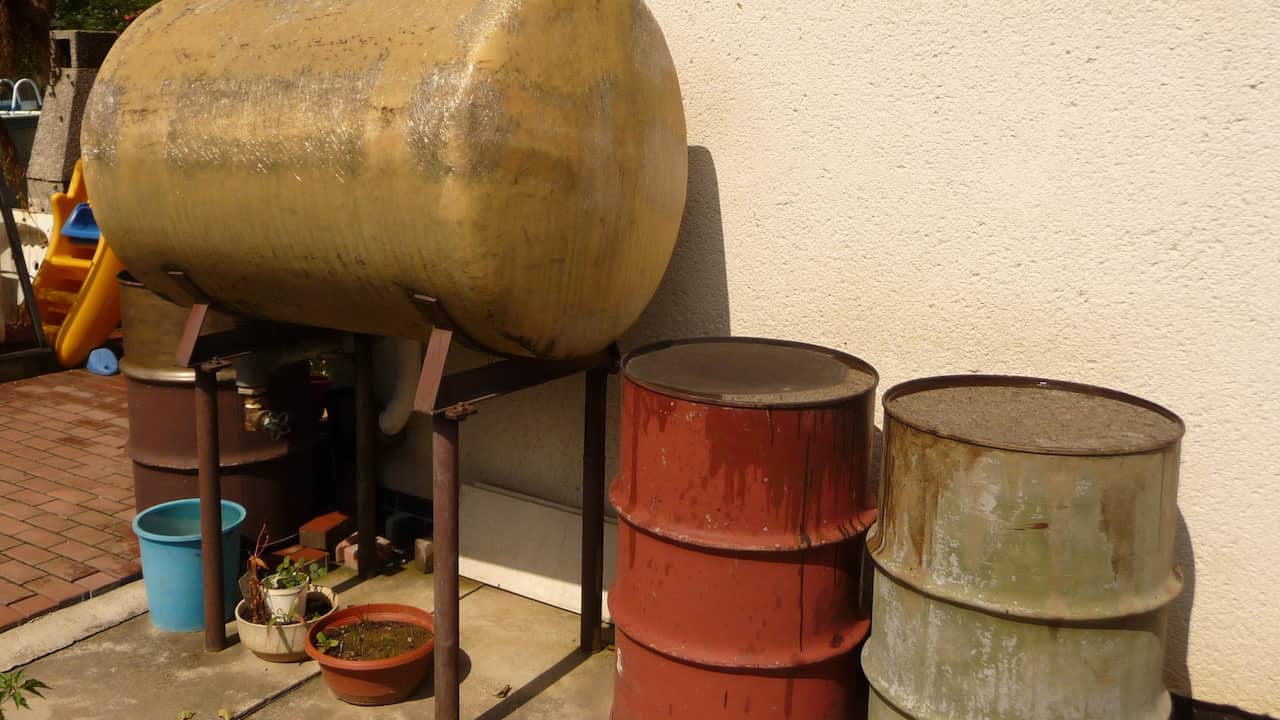
Before the first frost, make sure to fully drain your garden hoses. Water left inside can freeze, causing cracks or splits. Once drained, coil them up and store them in a dry place.
Don’t forget about your rain barrels too. Empty them to avoid water freezing and damaging the barrel or irrigation system. This simple step helps protect your gear for next season.
Cover vulnerable plants with frost cloths or blankets

You can protect sensitive plants by covering them with frost cloths or blankets when temperatures drop. These materials help trap warmer air around your plants, reducing the chance of frost damage.
Avoid placing plastic directly on leaves, as it can cause frost burn. Instead, use breathable fabrics designed for frost protection. Just drape the cloth over plants before frost hits and secure the edges to keep cold air out.
Lift and store dahlia tubers after cutting back foliage
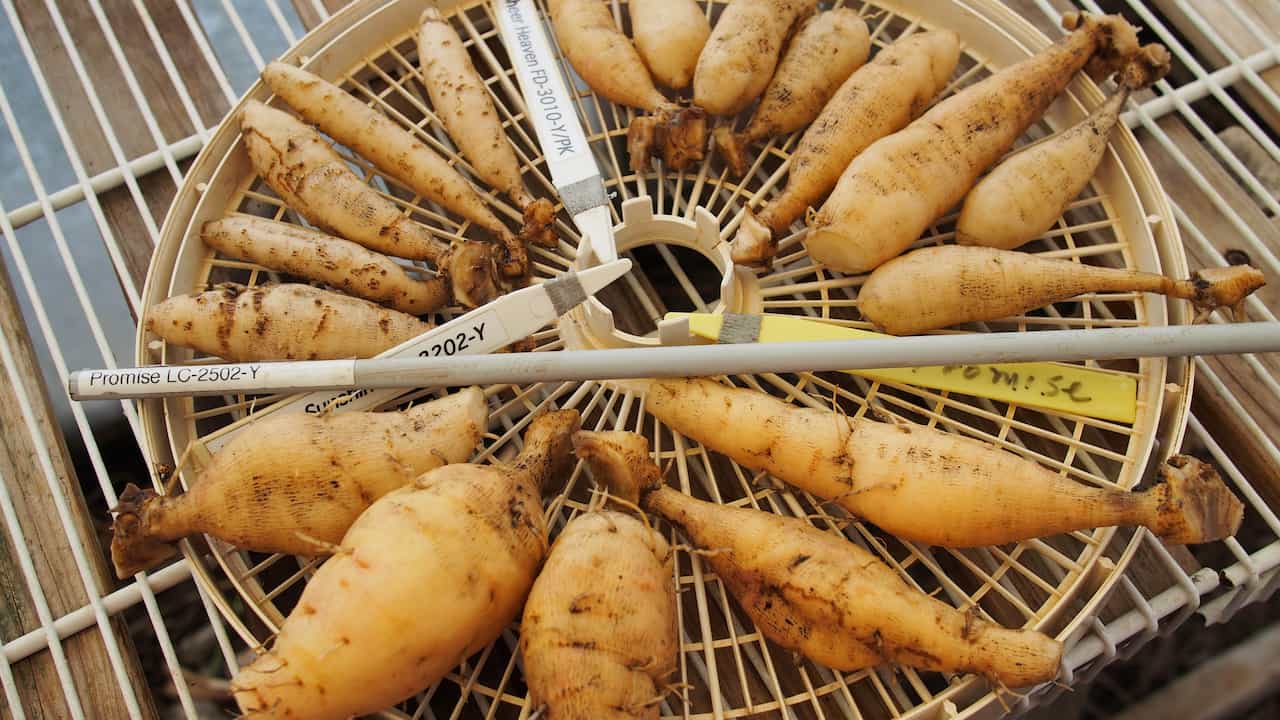
After the first frost, cut back the dahlia foliage, leaving about 4-6 inches of stem. This makes it easier to lift the tubers without damage.
Gently dig up the tubers, shaking off excess soil. Rinse off stubborn dirt and let them dry for a day or two.
Once dry, pack the tubers in dry compost or peat moss. Store them in a cool, dark place that won’t freeze until you’re ready to replant.
Take pelargonium cuttings for next season
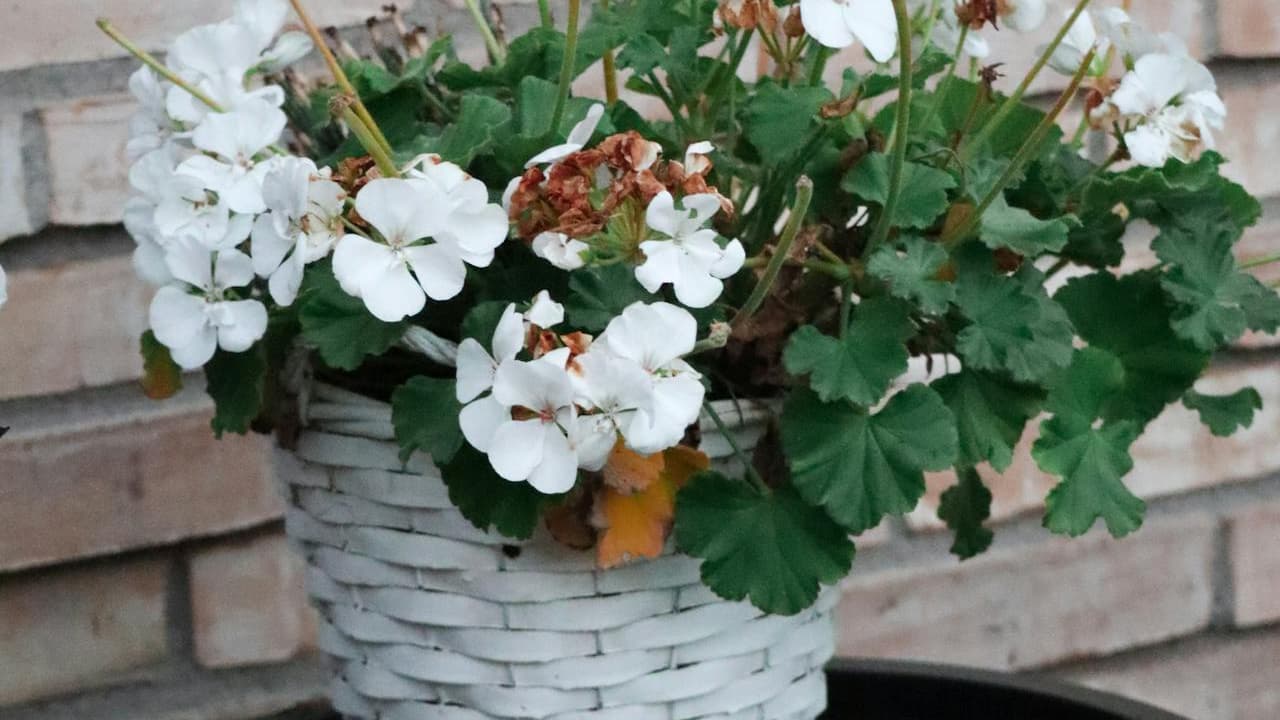
Before the frost hits, take some pelargonium cuttings to keep your plants going. Cut just below a leaf joint where you see new growth.
Use a sharp knife or scissors to get a clean cut. Remove lower leaves so the cutting focuses on root development.
Keep the cuttings in a cool, bright spot indoors. This way, you’ll have healthy plants ready to go once spring arrives.
Plant fall perennials and bulbs
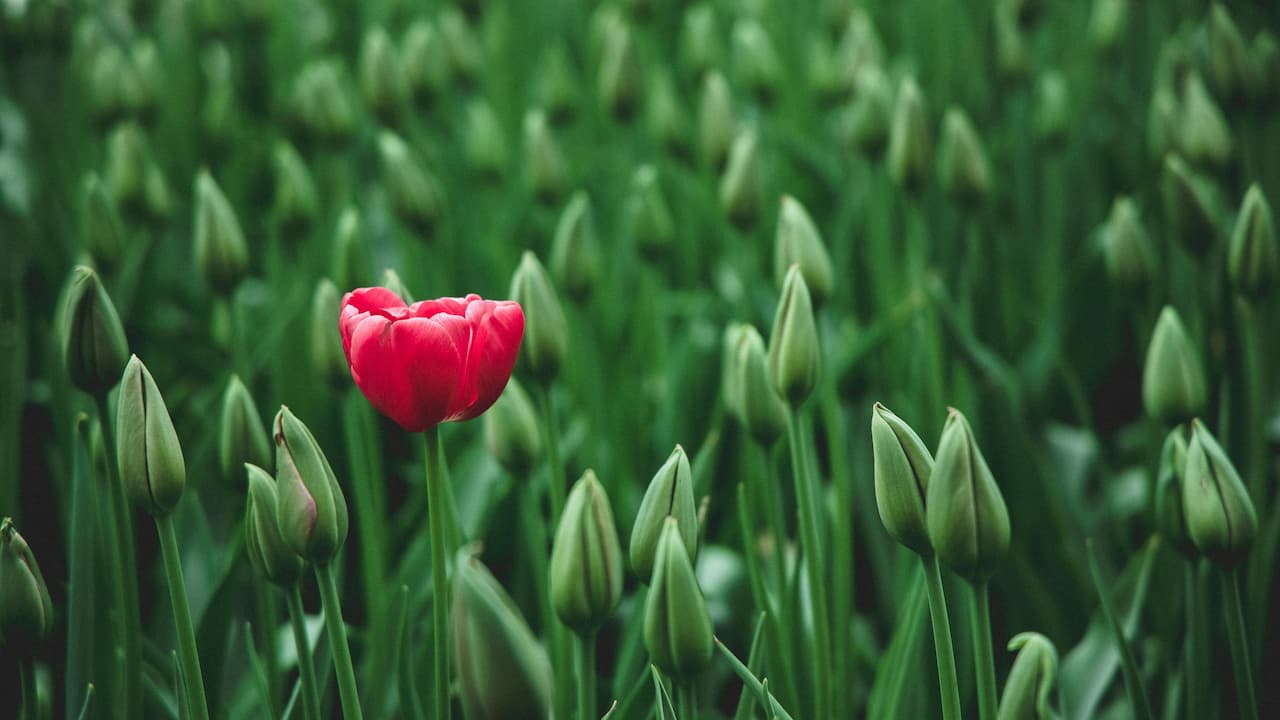
You want to get your fall perennials and bulbs in the ground before the first frost hits. This gives them time to establish roots before winter.
Bulbs like tulips, daffodils, and crocuses are great choices. Plant them several inches deep in well-drained soil.
Perennials should be planted now to allow root growth and better spring blooms. Mulch around them to protect against cold and retain moisture.
Mulch garden beds to protect roots
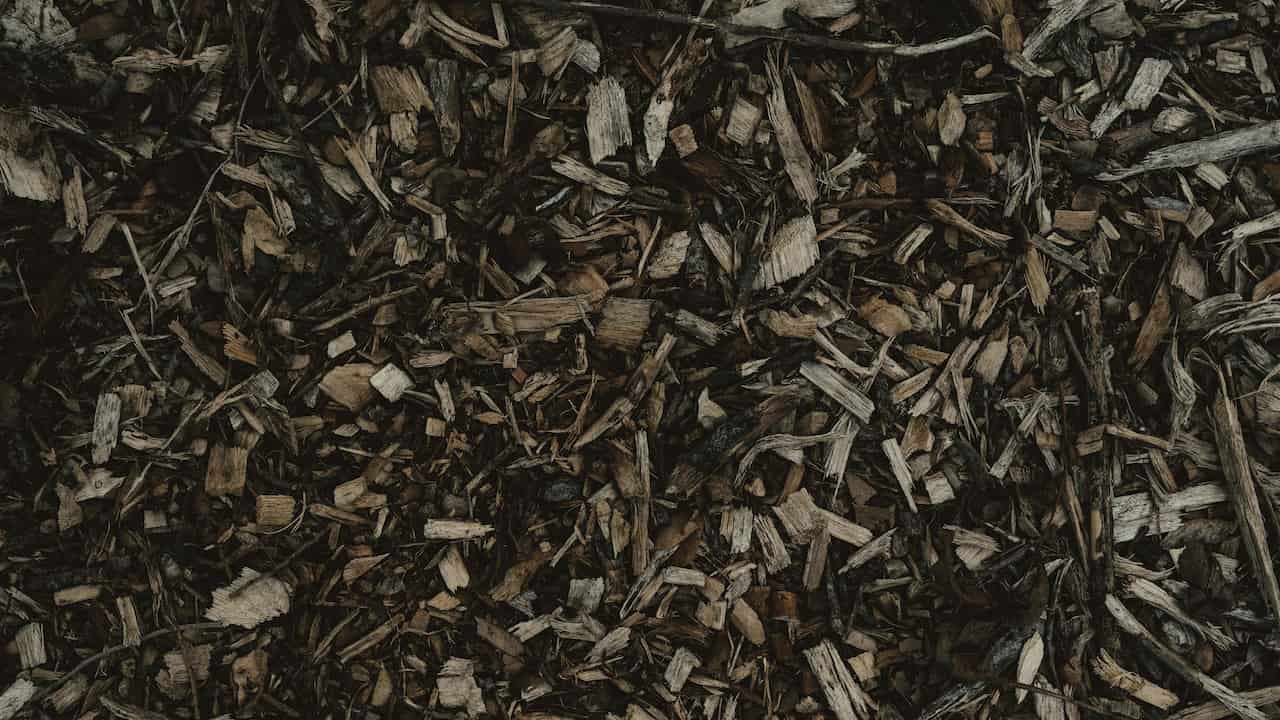
Mulching your garden beds before frost helps keep the roots insulated from the cold. It creates a barrier that slows soil temperature drops.
You can use dry leaves or organic mulch for this. A thin layer is better than none, as it prevents soil from freezing too quickly.
Mulch also helps retain moisture, so your plants don’t dry out over winter. It’s a simple step that adds some extra protection to your garden.
Aerate and overseed the lawn
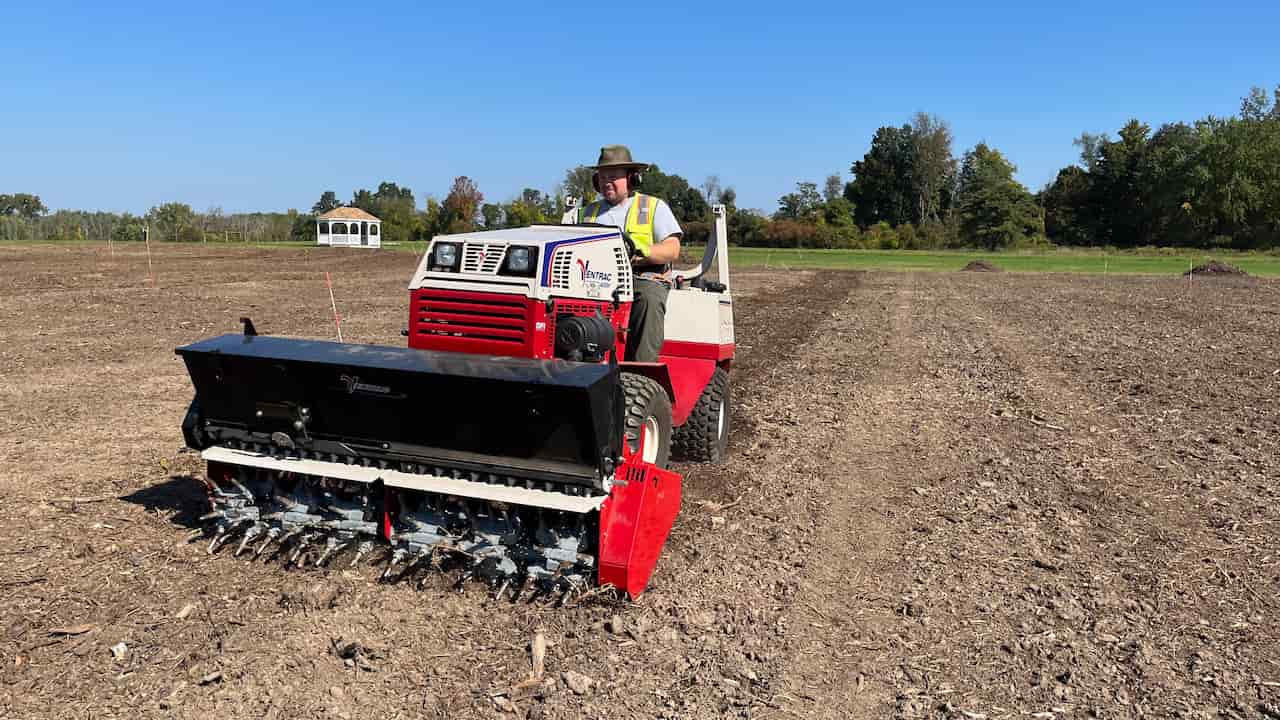
Aerating your lawn means poking holes in the soil to help air, water, and nutrients reach the roots. This makes your grass stronger going into winter.
After aerating, you can overseed by spreading grass seed over bare or thin areas. Do this early enough so the seeds have time to grow before the frost.
Make sure to pick a cool-season seed if you live in a cooler climate. Keep the soil moist until the new grass is established.
Harvest the last ripe vegetables like peppers and squash
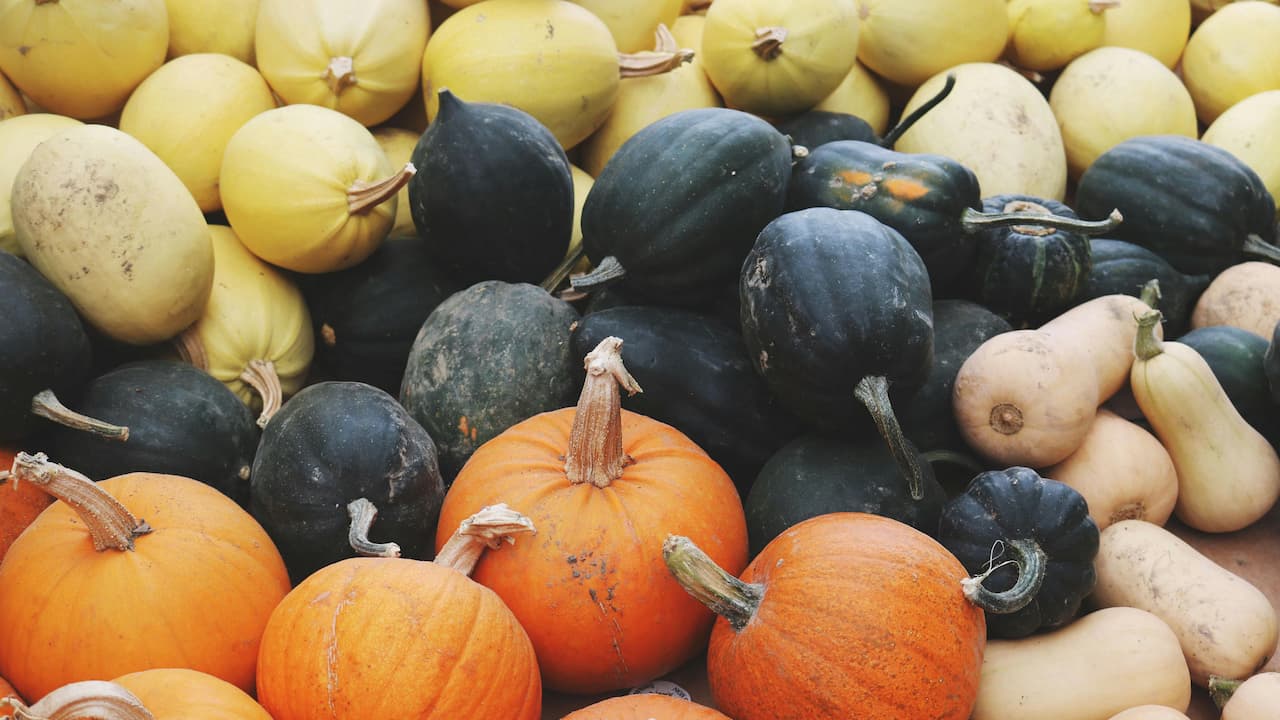
You’ll want to pick those last peppers and squash before the frost hits. Peppers can keep ripening even after picking, so grab them while they’re firm and colorful.
Squash is more frost-sensitive, so don’t wait too long. If you have leftover vegetables past their prime, consider using them for stock instead of letting them go to waste.
Use cold frames to extend growing season
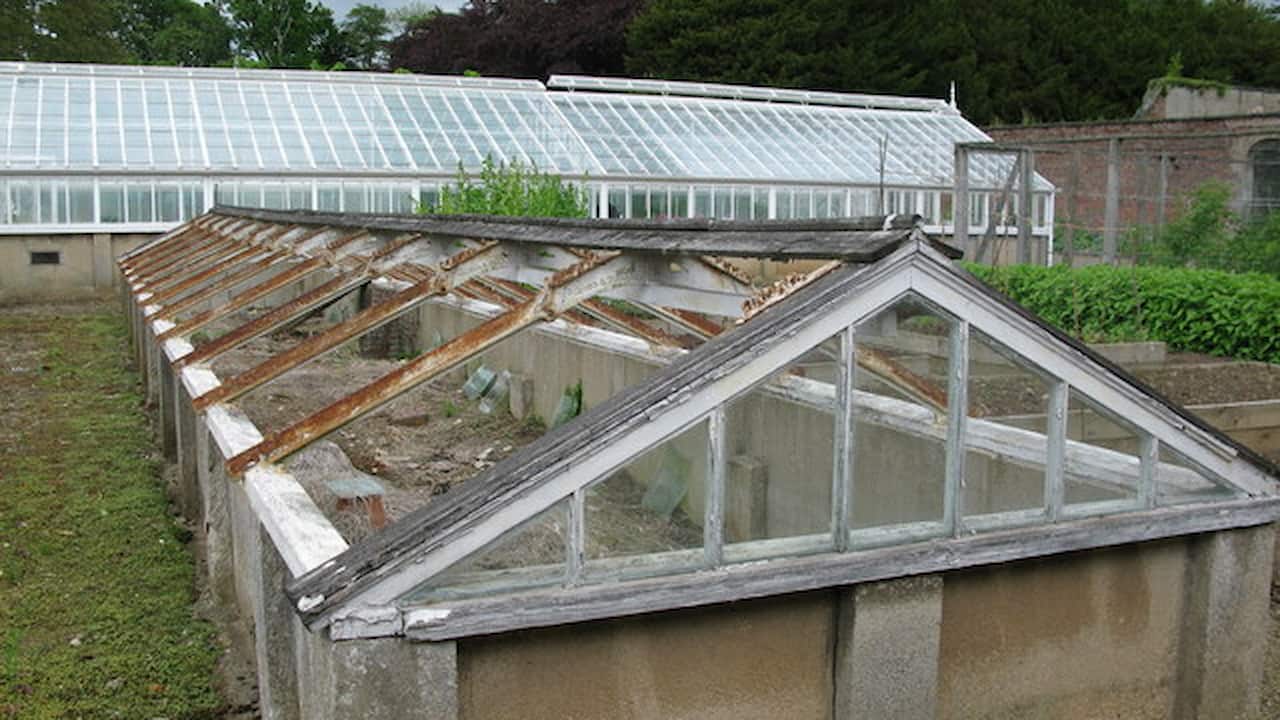
You can use cold frames to protect your plants from early frost. They act like mini-greenhouses, keeping the air around your plants warmer.
Just set a cold frame over your garden beds, and close it at night. This helps your vegetables last longer into the cool months.
Cold frames work well for light frosts but won’t stop damage if temperatures drop too low for several hours. They’re great for giving your garden a little extra time before winter.
Leave a Reply