The invitation was specific: adults only, assigned seating, a set menu for a fixed headcount. But when the day came, one friend walked into the private venue with three children in tow, none of whom had been on the RSVP list. Within minutes, the kids were sprinting between tables, grabbing food off serving trays, and turning a carefully planned celebration into something closer to a playground.
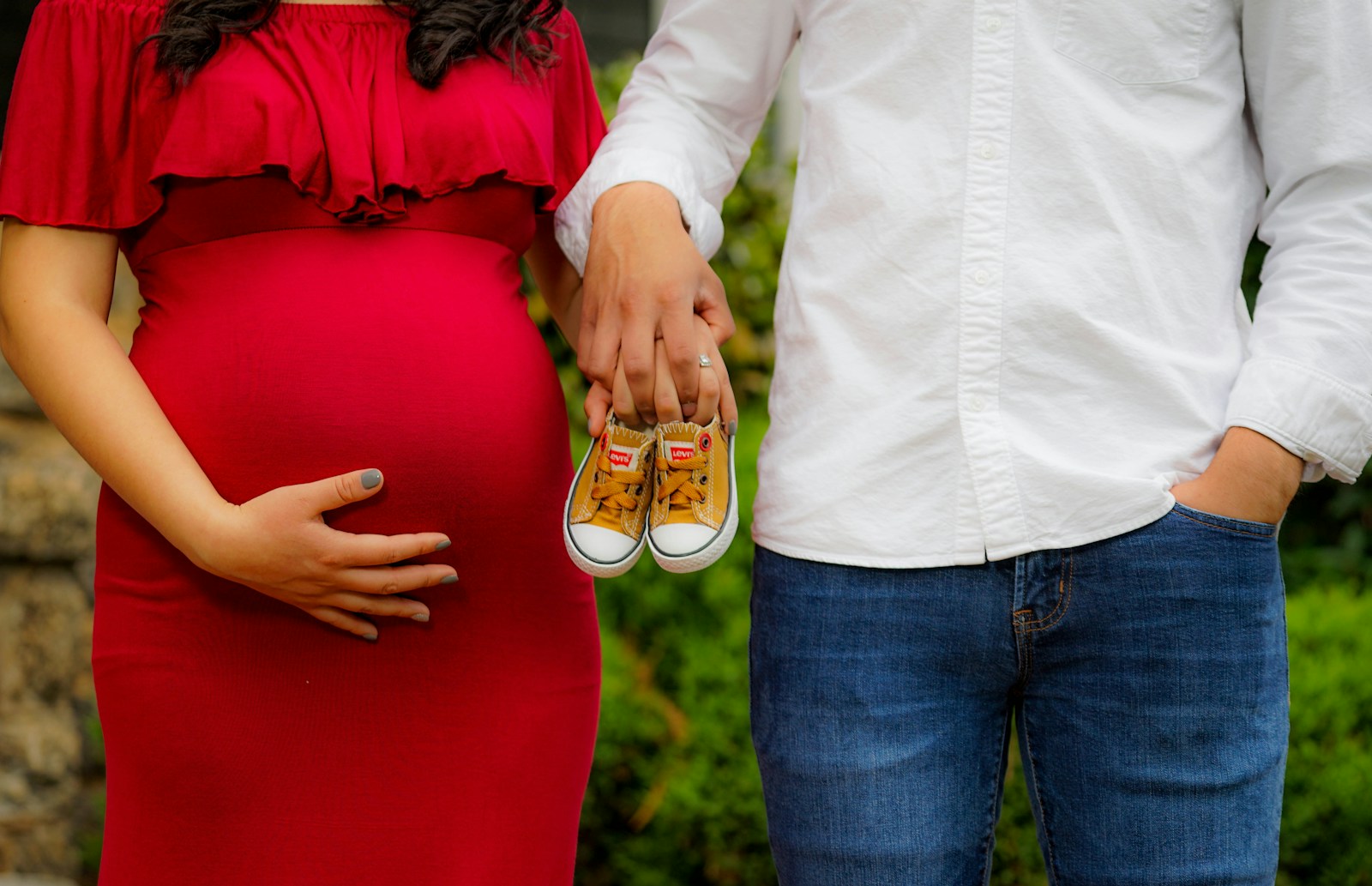
The expectant mother’s account, posted to Reddit’s popular AITAH forum, drew thousands of responses and reignited a debate that flares up online every few months: When a host sets a boundary, is it ever acceptable for a guest to simply ignore it?
The baby shower that turned into crowd control
According to the host’s account, she had organized a formal baby shower at a rented venue. Place cards marked every seat. The caterer had a firm number. The invitation made clear that children were not included, partly because of limited capacity and partly because the afternoon’s activities were designed for adults.
Despite all of that, a close friend arrived with her three young kids and seemed genuinely surprised when anyone raised an eyebrow. Once inside, the children did what unsupervised children do in a space full of strangers and breakable things: they ran, they grabbed, they knocked into centerpieces. Other guests, many of whom had arranged their own childcare to attend, found themselves dodging spilled drinks during what was supposed to be a polished afternoon.
The host, already navigating the emotional weight of being eight months pregnant and the center of attention, was left trying to keep the event on track while quietly managing someone else’s kids. In her post, she described feeling torn between not wanting to cause a scene and being furious that her friend had put her in that position.
Where “kids will be kids” meets parental responsibility
What struck most commenters was not the children’s behavior but the adult who brought them. Kids test limits. That is what they do. The issue was a parent who treated a clearly stated boundary as a suggestion and then expected everyone else to adjust.
The Emily Post Institute, long considered a standard-bearer on American etiquette, is direct on this point: if an invitation does not include children’s names, children are not invited. Bringing them anyway puts the host in an impossible spot, forced to either accommodate uninvited guests on the fly or confront a friend in front of a room full of people.
At a formal event, parental responsibility extends beyond keeping kids physically safe. It means respecting the time, money, and effort the host invested, and recognizing that other guests did not sign up to spend their afternoon stepping around toddlers. When a parent waves off every disruption as harmless, the burden of that choice lands on everyone else in the room.
Why these stories keep going viral
A generation ago, this would have been a private falling-out, maybe a tense phone call followed by a few weeks of silence. Now it becomes a Reddit thread with 4,000 comments, then a TikTok reaction video, then a segment on a podcast about social boundaries.
The reason these stories travel so well is that they sit at the intersection of several things people feel strongly about: friendship, parenthood, money, and the unwritten rules of social life. Everyone has an opinion. Parents who struggle to find childcare see themselves in the uninvited guest. Hosts who have watched a carefully planned event fall apart see themselves in the poster. The comment sections become proxy wars for larger disagreements about whether having children entitles you to exceptions other people don’t get.
Content creators have noticed. Reaction channels on YouTube now regularly feature baby shower and party etiquette disasters, breaking down what went wrong and who was at fault. The format works because the stakes feel personal. Viewers are not watching strangers argue about abstract principles. They are watching a version of a conflict they have either lived through or fear they will.
Why showers, specifically, trigger such intense feelings
Baby showers occupy an awkward middle ground between genuine celebration and social obligation, which may explain why they generate so much friction. The host (or whoever is throwing the shower) is expected to provide food, decor, and entertainment, often at real expense. Guests are expected to bring a gift, follow the dress code, and respect whatever rules the invitation lays out.
When either side feels the other has violated that unspoken contract, resentment builds fast. Hosts who spend hundreds or thousands of dollars on a venue feel disrespected when a guest treats the event as a casual drop-in. Guests who rearrange their schedules and buy off a registry feel resentful if the host is rigid or ungrateful. Add children to the equation, and the tension multiplies. Some guests genuinely believe that once you become a parent, your social circle should accommodate your kids everywhere. Some hosts lack the space, the budget, or the emotional bandwidth to do that, and resent being made to feel selfish for saying so.
The friend who showed up with three uninvited children fits a pattern that surfaces in these discussions again and again: one person decides their circumstances are the exception, and another person’s carefully set boundary pays the price.
What hosts are doing differently now
If there is a practical takeaway from stories like this one, it is that relying on social norms alone is not enough. Etiquette experts and event planners increasingly recommend that hosts spell out expectations in writing, not just on the invitation but in a follow-up message closer to the date.
Some hosts now send a brief, friendly reminder a week before the event: “Just a heads-up that the venue has a strict capacity limit, so we can only accommodate the guests listed on the invitation.” Others include a line on the RSVP card itself: “We have reserved [X] seats in your name.” The language is polite, but it removes ambiguity.
None of this guarantees compliance. Someone determined to bring their kids will bring their kids. But putting the boundary in writing at least shifts the dynamic. It is harder for a guest to claim they didn’t know, and it gives the host something concrete to point to if a conversation becomes necessary.
For the Reddit poster at the center of this particular story, that conversation came too late. But the thousands of people who read her account and shared their own versions of it suggest she is far from alone, and that the next host planning a formal, adults-only shower is paying closer attention to the fine print.
More from Willow and Hearth:
Leave a Reply