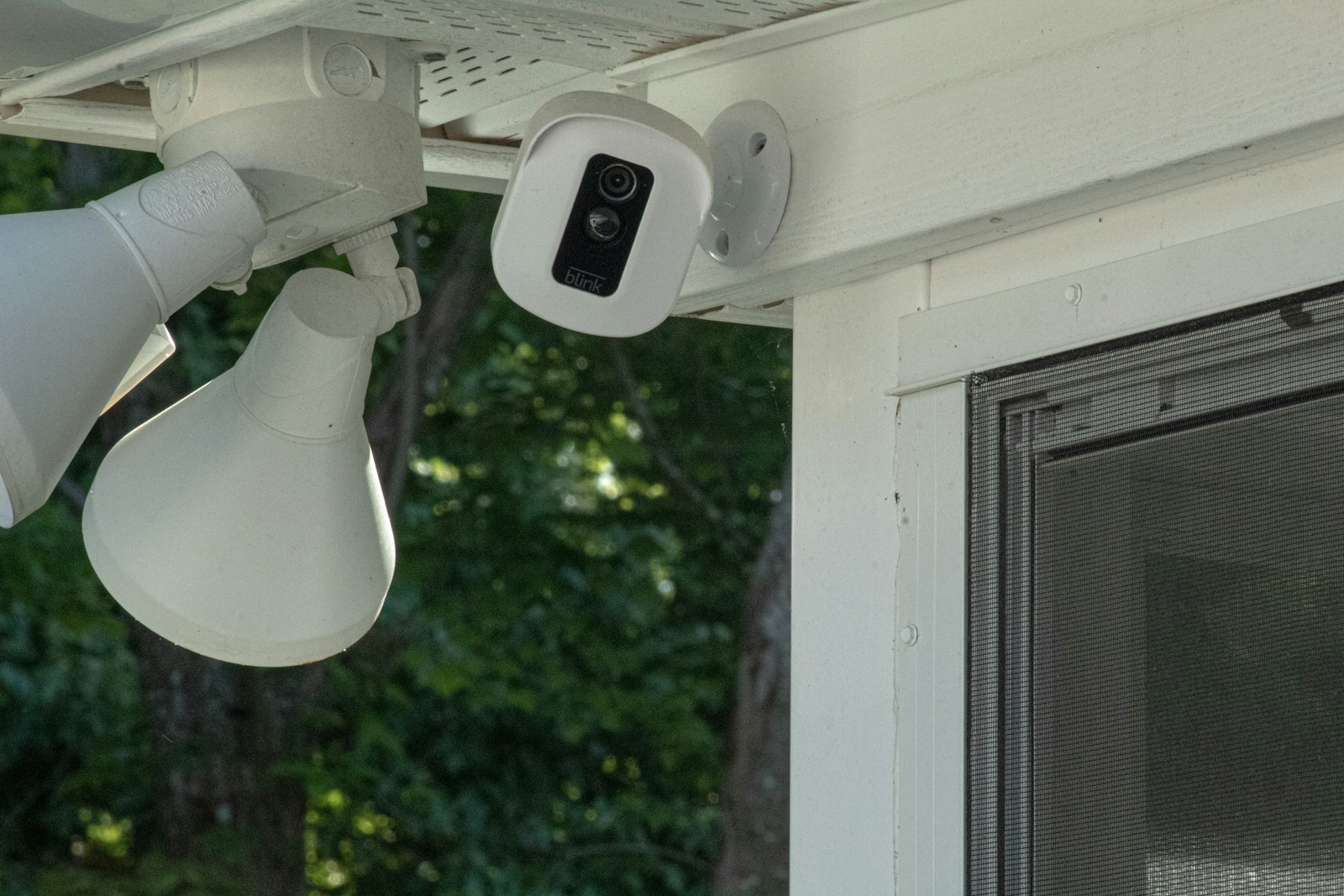
A woman recently discovered her neighbor installed a security camera aimed directly at her backyard, and now she can’t shake the feeling of being watched every time she steps outside. The situation has sparked conversations online about where the line falls between home security and privacy invasion, with many people sharing similar experiences of feeling uncomfortable under a neighbor’s watchful lens.
The legality of a neighbor pointing a camera at your property depends largely on state laws and whether the camera captures areas where you have a reasonable expectation of privacy, such as a fenced backyard. While some argue that security cameras are necessary for protecting property, others feel violated when those cameras seem trained on their private spaces rather than the camera owner’s own yard.
This unsettling scenario raises questions about intentions, legal boundaries, and how to handle the discomfort of potentially being recorded in what should be a private outdoor space. The woman’s experience highlights a growing tension in neighborhoods where security cameras have become increasingly common but the rules around their placement remain murky.
Why Your Neighbor’s Security Camera Pointed At Your Backyard Feels So Invasive
A camera lens aimed at someone’s private outdoor space triggers an uncomfortable shift in how they experience their own home. The physical presence of surveillance equipment transforms what was once a relaxed environment into a space where every movement feels monitored and recorded.
What Happens When a Neighbor’s Camera Is Watching Your Private Space
The psychological impact of knowing a camera is recording can change how people behave in their own yards. Someone who used to sunbathe, play with their kids, or have private conversations outdoors might suddenly feel self-conscious about these ordinary activities.
A new camera mounted on a neighbor’s property creates an atmosphere of discomfort and unease that affects how someone feels in their own home. The backyard, traditionally a semi-private retreat, becomes a stage where they’re aware of being watched. This constant awareness can make people avoid using their outdoor spaces entirely or change their routines to minimize exposure to the camera’s view.
The feeling intensifies when the camera appears deliberately angled toward their property rather than positioned for general security monitoring. People report feeling like they’re living under observation rather than simply existing as background in someone else’s security footage.
The Blurred Line Between Security and Surveillance
Security cameras serve a legitimate purpose when they monitor a homeowner’s own property for burglary prevention or package theft. The distinction becomes murky when these devices capture significant portions of a neighbor’s yard or private activities.
What appears to be a security camera pointed at a neighbor’s space has sparked debates about where home security ends and invasive surveillance begins. A camera that records someone’s backyard activities, their comings and goings, or their family gatherings crosses into territory that feels more like spying than protection.
The technology itself is neutral, but its placement and use determine whether it respects boundaries. A camera angled to capture a broad area of the owner’s property might incidentally include a neighbor’s yard. One aimed directly at a neighbor’s patio or windows suggests a different intent entirely.
How Common Is This Situation and When Does It Cross a Line
This scenario plays out frequently as home security systems become more affordable and widespread. Homeowners generally have the right to install cameras on their property, but that right has limits when it comes to reasonable expectation of privacy.
Recording someone in areas where they expect privacy—like inside their home, in a fully fenced backyard, or through their windows—typically crosses legal and ethical boundaries. Public-facing areas like driveways and front yards receive less privacy protection than enclosed spaces.
The situation becomes particularly problematic when footage gets misused, shared publicly, or used to monitor someone’s daily patterns and habits. What starts as a privacy concern can escalate into harassment if the camera owner uses the recordings inappropriately or refuses to adjust the camera’s angle despite legitimate complaints.
How To Respond If You Feel Watched By a Neighbor’s Camera
When someone discovers a camera pointed at their property, they typically try physical barriers first, then move to direct conversation, and finally explore whether the surveillance crosses legal boundaries.
Non-Confrontational Solutions: Fences, Landscaping, and Blocking Views
Many people start with solutions that don’t require confrontation. A privacy fence often provides immediate relief from feeling watched, though local ordinances may limit height. Some homeowners plant fast-growing shrubs or install tall lattice structures to block the camera’s view of their yard.
Garden umbrellas offer quick temporary coverage for specific areas. Strategically placed trees can create natural barriers once they mature. These physical solutions let someone reclaim their outdoor space without engaging in potentially awkward conversations.
The challenge is making sure any fence or structure doesn’t violate local rules about height restrictions. Some areas have regulations against “spite fences” built solely to annoy neighbors. Still, most communities allow homeowners to add reasonable privacy features to their own property.
Talking To Your Neighbor: Setting Boundaries and Handling Awkward Conversations
Some people choose to knock on the door and start a conversation about the camera placement. They might say something like, “I noticed your camera seems to point into my backyard. I’m sure you didn’t realize, but would you mind adjusting it?”
This approach sometimes reveals the neighbor simply didn’t think about where the lens was aimed. Other times, it uncovers underlying tensions or mistaken beliefs about theft or suspicious activity. The conversation can address both the camera and whatever drove the neighbor to install it there.
If the neighbor refuses to move the camera or offers no good explanation, the situation becomes more complicated. At that point, a simple request hasn’t worked, and other options need consideration.
Understanding Your Legal Options Against Potential Illegal Surveillance
The legality of a neighbor’s camera depends heavily on location and intent. Whether surveillance qualifies as illegal often hinges on whether someone has a reasonable expectation of privacy in the filmed area.
A fenced backyard typically carries stronger privacy protections than a front yard visible to anyone walking by. Courts in different states have created varying standards for when recording becomes illegal surveillance. Some states allow visual recording but prohibit audio capture without consent.
The camera owner’s intention matters significantly in legal analysis. A camera that accidentally catches a corner of someone’s property differs from one deliberately trained on a bedroom window or outdoor shower. If someone can prove the neighbor is using recorded footage inappropriately—posting it online or sharing it to harass them—the legal case strengthens considerably.
Some people send a demand letter through an attorney before considering a lawsuit. New York passed a 2017 law specifically addressing backyard videotaping, though it requires proof the person intended to “harass, annoy or alarm” the subject. Other states have similar statutes that either criminalize invasion of privacy or allow civil lawsuits for damages.
Leave a Reply