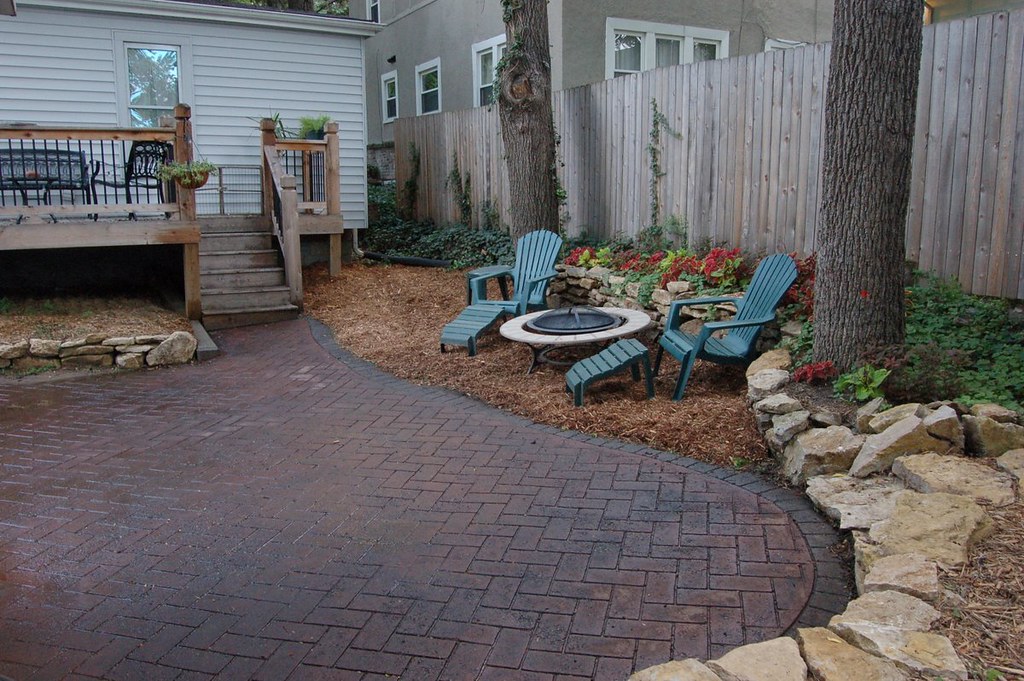
A woman is dealing with an increasingly frustrating situation after her neighbor installed a fire pit just feet from their shared fence line. Every evening, thick smoke drifts directly onto her patio, making it impossible to enjoy her own backyard. What started as a simple outdoor upgrade next door has turned into a nightly invasion that’s testing the limits of neighborly patience.
When a neighbor builds a fire pit too close to a property line, the resulting smoke can make adjacent yards unusable and create serious tension between homeowners. This particular woman now finds herself trapped indoors each night while her neighbor enjoys crackling fires, seemingly oblivious to the smoke billowing into her outdoor space. The placement has transformed what should be her relaxing evening retreat into an uncomfortable haze.
The situation highlights how backyard additions can spark complaints and legal headaches between neighbors. She’s faced with a difficult choice about whether to confront her neighbor about the problem or seek other solutions. The story raises questions about property rights, courtesy, and what happens when someone’s outdoor enjoyment directly impacts another person’s ability to use their own space.
Living With A Neighbor’s Backyard Fire Pit: The Smoky Reality
Backyard fire pits create a cozy atmosphere for their owners, but they can transform adjacent properties into smoke-filled zones that make outdoor spaces unusable. The placement of these features near shared fences often leads to ongoing disputes between neighbors who find themselves breathing smoke on their own patios.
How Smoke From Fire Pits Affects Shared Fences And Outdoor Spaces
Fire pits positioned close to property lines send smoke directly over shared fences and into neighboring yards. The smoke doesn’t just pass through—it lingers, settles into furniture, and clings to anything left outside.
When neighbors install fire pits near shared boundaries, the wooden fence itself becomes a fire hazard. The heat and flames pose risks to combustible materials, especially older fencing that’s dried out over time. The smoke also discolors fence panels and leaves a permanent odor that soaks into the wood.
Outdoor furniture, cushions, and plants absorb the smell. Homeowners find their patio sets unusable after repeated exposure. The constant smoke makes it impossible to leave windows open or hang laundry outside without everything taking on the campfire scent.
Daily Disruptions: Enjoying Your Patio When Smoke Drifts In
People purchase homes with outdoor spaces expecting to use them. When a neighbor lights up their fire pit, those plans evaporate along with any fresh air. Smoke from nearby fire pits can trigger smoke detectors inside homes if windows are cracked open even slightly.
Families can’t eat dinner outside. Kids can’t play in the yard. Even simple activities like reading on the patio become impossible when smoke rolls in evening after evening. The timing matters too—fire pits typically get used during the exact hours when temperatures cool down and people want to be outside.
Some homeowners report the smoke causes headaches and respiratory issues. The smell permeates clothing and hair, following people back into their homes.
Why Fire Pit Placement Matters In Community Living
In densely populated areas with small lots, fire pit placement creates friction in shared spaces. Properties measuring around 2,000 square feet per lot don’t provide enough distance between structures. A fire pit 20 feet from a neighbor’s house sits too close for the smoke to dissipate.
Community living requires consideration of how one person’s recreational choices affect everyone around them. What works on a sprawling rural property doesn’t translate to urban or suburban settings where homes sit close together. The smoke complaints stem from legitimate quality-of-life issues, not pickiness.
Many municipalities recognize this reality and establish minimum distances between fire pits and structures. These regulations exist because the problem repeats itself across neighborhoods everywhere.
Navigating Neighbor Disputes And Finding Solutions
When smoke from a new neighbor’s fire pit drifts over the fence nightly, it transforms what should be peaceful backyard time into a source of tension. Finding a path forward requires direct conversation, understanding local regulations, and sometimes getting creative with solutions that work for everyone involved.
Open Communication: Discussing Smoky Concerns With New Neighbors
A mediator who helps people solve conflicts recommends approaching neighbors in person during a quiet, unrushed moment rather than immediately diving into the problem. The woman dealing with smoke filling her patio faces a common challenge in community living where shared spaces create overlapping impacts.
Starting with a friendly introduction helps humanize the situation. Experts suggest keeping the initial conversation neutral before mentioning the issue. One approach involves acknowledging something positive first, then explaining the specific impact. For example, mentioning that the fire pit looks nice but the smoke is preventing use of the patio creates a clear picture of the problem.
The key is identifying underlying needs rather than demands. In this case, one neighbor values outdoor fires while the other needs smoke-free air on her patio. Understanding both perspectives opens the door to finding middle ground that respects both households.
Local Rules, Permits, And What To Do When Codes Are Broken
Many municipalities regulate recreational fires through setback requirements, burn times, and permit systems. A fire pit built directly on the property line may violate local codes that require specific distances from neighboring structures or property boundaries.
Checking with the city or county about fire pit regulations provides clarity on whether the installation meets legal requirements. Some areas prohibit open burning entirely, while others allow it with restrictions on fuel types, hours of operation, or proximity to homes. If codes are being broken, contacting the local fire marshal or code enforcement office documents the complaint officially.
Property disputes between neighbors often escalate when one party doesn’t know they’re violating rules. Sharing information about relevant ordinances can sometimes resolve issues without formal complaints.
Creative Compromises: Reducing Fire Pit Smoke And Keeping The Peace
When direct conversation and code enforcement don’t fully resolve smoke complaints, practical adjustments can minimize the impact. The neighbor with the fire pit might agree to use it only on certain nights, burn seasoned hardwood that produces less smoke, or install a spark screen that also helps contain smoke.
Timing makes a significant difference. Limiting fires to nights when the affected neighbor isn’t home or planning to use her patio creates breathing room for both households. Some neighbors work out text notification systems so the person impacted by smoke can plan around fire pit use.
Physical barriers beyond the existing fence sometimes help. Strategic planting of trees or tall shrubs can deflect smoke upward rather than letting it drift horizontally into the neighboring yard. Relocating the fire pit farther from the property line, if space allows, reduces the direct impact on adjacent outdoor areas.
Leave a Reply