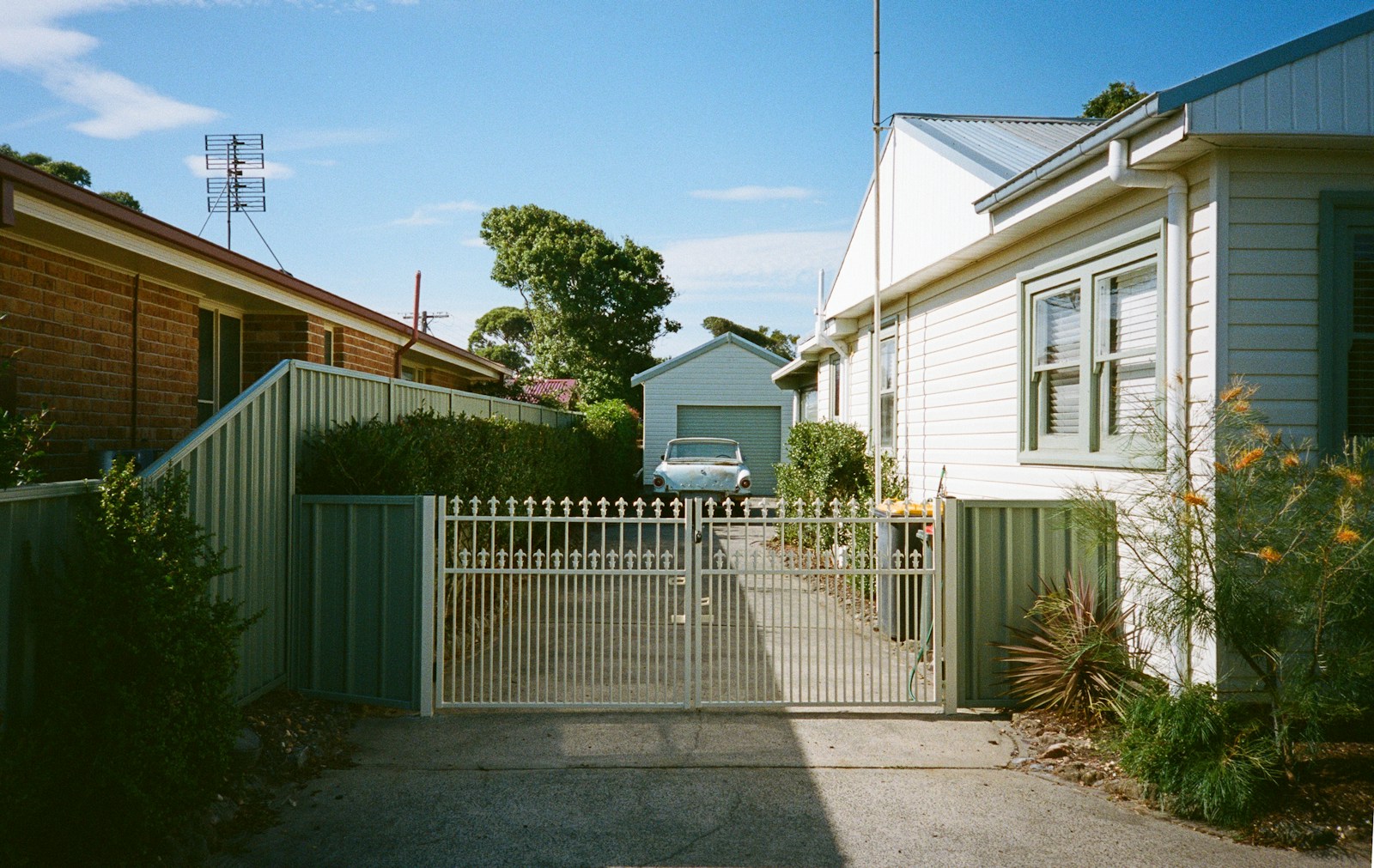
A homeowner recently discovered an uncomfortable truth after ordering a property survey: his driveway sits partially on his neighbor’s land. The situation highlights a common problem that catches many property owners off guard when they finally get professional measurements done.
When the survey results came back, they showed the actual property line ran through a section of the driveway the homeowner had been using since purchasing the house. The discovery left him wondering about his legal standing and what options existed for resolving the encroachment without destroying the neighborly relationship or facing costly removal.
The case adds to a growing number of property line disputes between neighbors that surface when official surveys contradict assumptions based on existing structures. The homeowner’s predicament raises questions about who bears responsibility when driveways, fences, or other improvements turn out to cross boundary lines that weren’t properly established before construction.
Understanding What the Property Survey Revealed
A professional survey pinpointed the exact location where the homeowner’s driveway crossed into his neighbor’s yard. The measurements showed a clear discrepancy between where everyone assumed the property lines ran and where they legally existed according to recorded documents.
How Surveys Identify Driveways and Property Boundaries
Professional surveyors use specialized equipment to measure and mark the exact locations of property boundaries based on legal descriptions in recorded deeds. They place stakes or markers at corner points and along boundary lines to show where one parcel ends and another begins.
The surveyor’s map typically includes measurements in feet and inches, showing structures like driveways, fences, and buildings in relation to the actual property lines. When reading a property survey, homeowners can see exactly how much of their driveway or other improvements sit on neighboring land.
In this case, the survey revealed that a portion of the homeowner’s driveway extended several feet onto the neighbor’s property. The measurements were precise enough to show exactly where the asphalt crossed the legal boundary line.
What Encroachment Means for Homeowners
An encroachment occurs when a structure or improvement from one property physically crosses onto adjacent land without permission. Driveways represent one of the most common types of encroachment in residential areas.
The legal implications can be significant. When neighbors discover encroachments through surveys, they may demand removal of the offending structure or negotiate an agreement. Some homeowners who have used land for extended periods might claim rights through adverse possession, which requires continuous use for a specific number of years set by state law.
The property owner whose land is being used can take legal action to remove the encroachment. They might also grant a formal easement allowing the structure to remain under specific conditions.
The Role of Property Deeds and Legal Documents
Property deeds contain the legal descriptions that surveyors use to determine exact boundary locations. These descriptions include measurements, angles, and reference points that define where each parcel begins and ends.
The deed’s legal description might reference monuments, distances from street centerlines, or coordinates based on official survey systems. When surveys reveal encroachments that differ from assumed property boundaries, the deed remains the authoritative document.
Title insurance policies often cover disputes arising from boundary issues discovered after purchase. The homeowner’s deed specified property lines that his driveway clearly violated, creating a situation where legal ownership trumped years of established use.
Dealing With Driveway Encroachment: What Homeowners Should Know
When a homeowner discovers their driveway sits on a neighbor’s property, they face several paths forward that range from informal negotiations to formal legal proceedings. The situation becomes more complex when factors like adverse possession claims or the need for permanent easements enter the picture.
Options for Resolving Boundary Disputes
A homeowner who learns about a driveway encroachment typically starts by getting a professional survey to confirm the exact property lines. This documentation becomes essential when approaching the neighbor about the issue.
The initial conversation between neighbors often determines whether the situation resolves smoothly or escalates. Many homeowners find success by presenting survey results calmly and exploring solutions together. Some neighbors agree to adjust the property line through a boundary line agreement, which legally shifts the official property division to match the existing driveway location.
Other options include the encroaching homeowner removing or relocating the driveway to comply with the actual property lines. In some cases, neighbors work out informal arrangements where the affected property owner grants permission for the driveway to remain. Written documentation of any agreement protects both parties from future misunderstandings.
Risks of Adverse Possession and How to Avoid It
Adverse possession laws create a situation where a homeowner could potentially lose legal ownership of the encroached-upon land if certain conditions persist. The encroaching party must typically use the property openly, continuously, exclusively, and without permission for a statutory period that varies by state, often ranging from 5 to 20 years.
A homeowner who owns the land beneath someone else’s driveway faces the risk that the encroaching neighbor might eventually claim legal ownership through adverse possession. This happens when the true owner fails to take action for the required time period. The claim becomes stronger when the encroaching use remains visible and undisputed.
Property owners prevent adverse possession claims by addressing encroachments promptly. They can grant written permission for the use, which interrupts the “hostile” requirement of adverse possession. Filing a lawsuit or sending formal notice also stops the adverse possession clock from running.
Seeking Legal Help: When to Call a Real Estate Lawyer
Handling property line disputes often requires professional legal guidance, particularly when informal discussions fail or the financial stakes run high. A real estate attorney becomes necessary when neighbors cannot agree on a solution or when one party refuses to acknowledge the encroachment.
Homeowners typically contact a real estate lawyer when they need to draft formal agreements like easements or boundary adjustments. These documents require precise legal language and proper recording with local authorities. An attorney also helps when the encroaching structure has significant value or when the property owner faces potential adverse possession claims.
Legal representation becomes essential if the dispute heads to court. A real estate attorney can file for injunctive relief or pursue damages on behalf of the property owner.
Easements and Agreements With Neighbors
An easement provides a legal right for one party to use another’s property for a specific purpose, which offers a permanent solution for driveway encroachments. The property owner grants the encroaching neighbor a formal easement that allows the driveway to remain while preserving the underlying property ownership.
Easements come in different forms. An express easement gets created through a written agreement and recorded with the property deed. An easement by necessity might arise in situations where the encroaching driveway provides the only reasonable access to a property.
These agreements typically address maintenance responsibilities, insurance requirements, and what happens if either property gets sold. A properly drafted easement protects both the property owner’s legal rights and the neighbor’s ability to continue using the driveway. Most real estate attorneys recommend recording easements with the county to ensure they remain binding on future property owners.
Leave a Reply