Buying a home is supposed to be a milestone worth celebrating, but for one couple, their dream house quickly became a source of financial stress and daily regret. What started as an exciting purchase turned into a perfect storm of unexpected renovation costs and a grueling commute that drained both their bank account and their quality of life.
The couple found themselves trapped between mounting debt from necessary home repairs and spending two hours a day in the car, leaving them exhausted and financially stretched thin. Their story highlights how quickly homeownership can shift from dream to nightmare when hidden costs and lifestyle factors aren’t fully considered before signing the papers.
Their experience joins a growing number of homeowners who’ve discovered that buying a house can lead to financial difficulties. The combination of renovation surprises and an unsustainable commute created a situation where the couple had to make tough decisions about their future and whether staying in their dream home was worth the mounting toll.
How Renovation Debt and a Long Commute Turned a Dream Home Into a Financial Trap
What begins as an exciting home purchase can quickly spiral into overwhelming debt when unexpected renovation costs collide with the daily grind of a punishing commute. The combination creates a perfect storm of financial pressure that leaves homeowners questioning their decision.
The Excitement and Reality of Buying a Dream Home
The couple thought they’d found their perfect property when they purchased the house. It had the space they needed and the potential they’d been searching for. The location offered more square footage than anything closer to work, making the compromise seem worthwhile at the time.
They imagined transforming the property into exactly what they wanted. The initial inspection didn’t reveal any major red flags. Their excitement overshadowed practical concerns about distance and the scope of work needed. Within weeks of closing, reality started to set in as they discovered issues that weren’t apparent during their walkthrough.
The purchase price fit their budget, but they hadn’t fully accounted for what renovations would actually cost. They assumed they could tackle projects gradually over time. That plan collapsed almost immediately.
Renovation Challenges and Budget Overruns
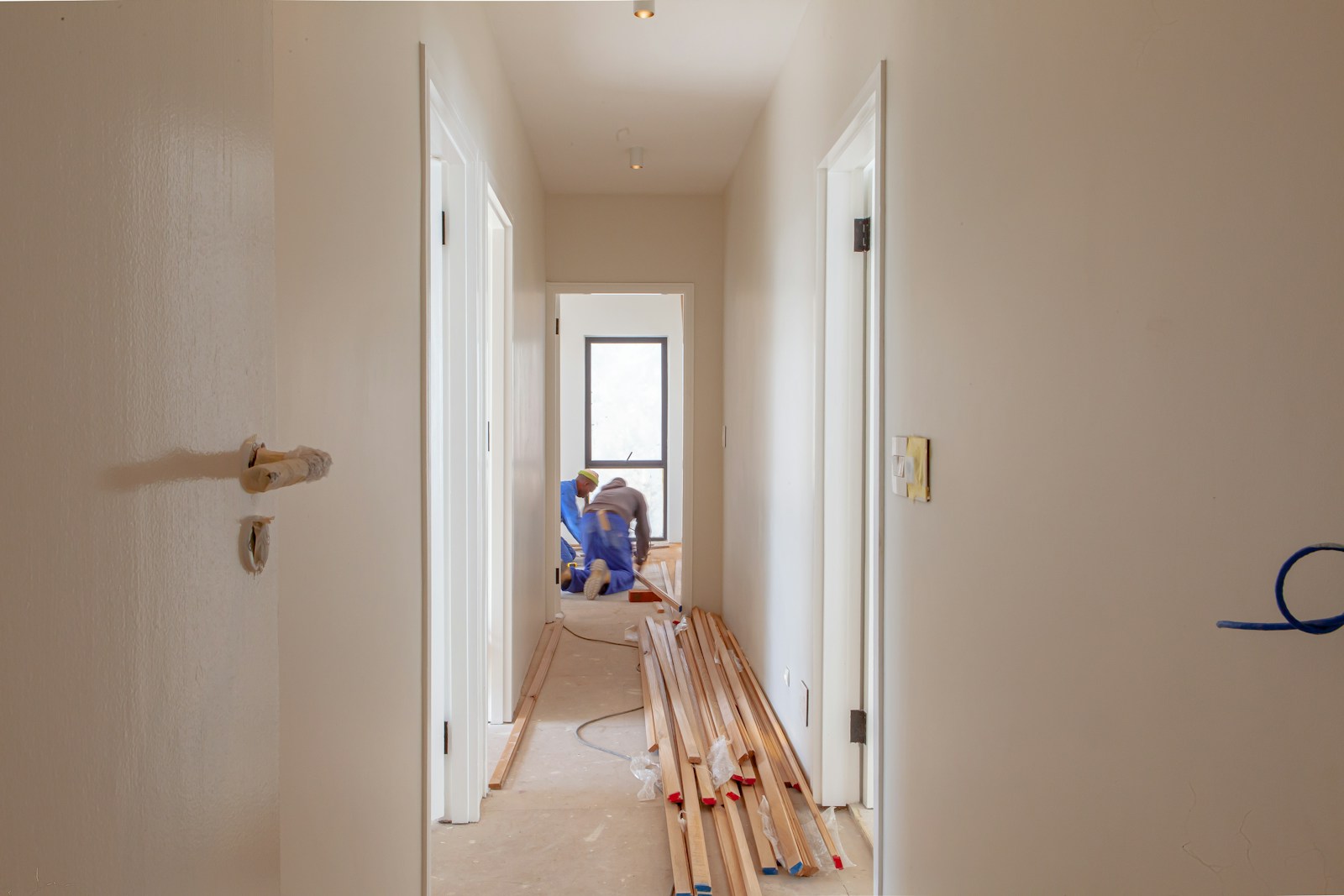
Problems emerged as soon as contractors started working. What appeared to be cosmetic updates revealed structural issues underneath. The kitchen remodel uncovered outdated electrical wiring that needed replacement throughout the house. Plumbing problems materialized in multiple bathrooms.
Each discovery added thousands to their estimate. A Minnesota couple faced a similar nightmare when their renovation revealed their 1895 farmstead had no foundation, costing them over $50,000 just to stabilize the structure. The couple watched their renovation budget double, then triple.
They’d planned to do some work themselves to save money. Time became their enemy with the long commute leaving little energy for DIY projects. Hiring professionals for everything drained their savings faster than anticipated. Material costs kept rising, and contractors discovered more issues as walls came down.
Construction Loans, Mortgages, and Piling Up Debt
The couple had secured a mortgage based on the home’s purchase price. When renovation costs exploded, they needed additional financing. They applied for a construction loan to cover the expanding scope of work. The interest rates weren’t favorable, but they felt trapped with projects already underway.
Now they were juggling both a mortgage and a construction loan. Monthly payments consumed a significant portion of their income. Credit cards filled the gaps when loan funds ran short. They’d maxed out their home equity line trying to finish critical repairs.
The financial trap tightened as they realized they couldn’t stop mid-renovation. Living in a construction zone with exposed walls and non-functioning systems wasn’t sustainable. They had to keep spending to make the house livable. Their debt climbed past six figures.
Daily Stress of a One Hour Commute Each Way
The hour-long drive each way became increasingly unbearable as financial pressure mounted. Gas costs added up to hundreds per month. Vehicle maintenance expenses increased with the added mileage. Two hours daily disappeared into driving time that could have been spent working on the house or earning extra income.
The commute drained their energy and mental health. They left before sunrise and returned after dark during winter months. Neither had time to deal with contractor issues during business hours. Coordinating renovations remotely led to miscommunications and costly mistakes.
The stress of the commute compounded their financial anxiety. They couldn’t easily switch jobs closer to home without taking pay cuts. Moving wasn’t an option with so much money already invested in renovations. They felt stuck in a cycle they couldn’t escape.
Lessons Learned and Steps to Avoid the Same Pitfalls
Homebuyers who face unexpected renovation costs and lengthy commutes often discover they’ve entered a financial trap through a combination of poor planning and unrealistic expectations. The key issues revolve around financing choices, budget management, and honest assessment of what a fixer-upper truly demands.
Understanding Home Renovation Financing Options
Many couples rush into home purchases without fully grasping how renovation financing differs from standard mortgages. A construction loan typically requires detailed project plans and comes with higher interest rates than traditional home loans.
These loans often convert to permanent mortgages once work completes, but the process involves multiple inspections and draw schedules. Homeowners need to understand that lenders release funds in stages, not all at once.
Some buyers pay cash to avoid mortgage complications, though this drains savings quickly. Others discover that renovation costs can balloon unexpectedly, like one couple who faced over $50,000 in foundation work when their 1895 farmhouse turned out to be sitting on clay and rocks instead of proper foundation.
The financial reality hits hardest when families realize they’ve committed to both renovation payments and living expenses simultaneously.
Tips for Managing EMI and Ongoing Home Expenses
When renovation debt piles up alongside regular home expenses, families find themselves stretched thin financially. EMI payments can consume a significant portion of monthly income, leaving little room for unexpected costs.
Homeowners dealing with major renovations often need to budget for temporary housing, which doubles their monthly expenses. They’re paying for both the mortgage on their dream house and rent elsewhere while work continues.
The situation becomes more precarious when the renovation timeline extends beyond initial estimates. Contractors may discover hidden problems that require immediate attention and additional funds.
Families need to maintain an emergency fund separate from renovation budgets, though many deplete their savings entirely during the purchase and initial work phases.
Setting Realistic Expectations When Renovating
Homebuyers often compromise on properties with the belief that renovations will transform them into perfect homes. The reality involves months of living in construction zones, climbing ladders to access raised houses, and cutting planned features like fireplaces or saunas from the budget.
Old homes hide problems that don’t appear during initial inspections. Walls may conceal outdated wiring, plumbing might need complete replacement, and structural issues can halt entire projects.
The timeline always extends longer than anticipated. What seems like a three-month project often stretches to six months or a year.
Families with children face additional challenges as they navigate school schedules, childcare arrangements, and the stress of displaced living situations.
How to Avoid a Financial Trap When Pursuing Your Dream House
The financial trap springs shut when buyers underestimate total costs while overestimating their ability to manage debt and commute times. They focus on the purchase price without calculating the true cost of ownership during renovation.
Key warning signs include:
- Monthly housing costs exceeding 30% of gross income
- No contingency fund for unexpected repairs
- Commute times that weren’t tested during rush hour
- Contractor estimates without detailed breakdowns
Buyers should add at least 20% to any renovation estimate for unforeseen issues. They need to physically drive the commute during actual work hours before committing to a purchase.
The dream of homeownership can quickly become a nightmare when families find themselves house-poor, drowning in renovation debt, and spending hours each day traveling to work. The combination of EMI obligations, ongoing construction costs, and daily commute expenses creates a perfect storm of financial pressure that many couples don’t anticipate until they’re already trapped.
More from Willow and Hearth:
Leave a Reply