A homeowner recently discovered an unexpected hole near his chimney and immediately grew concerned about what might have caused it. The situation has left him wondering whether something could be living underneath his house or if there’s a more serious structural issue at play.
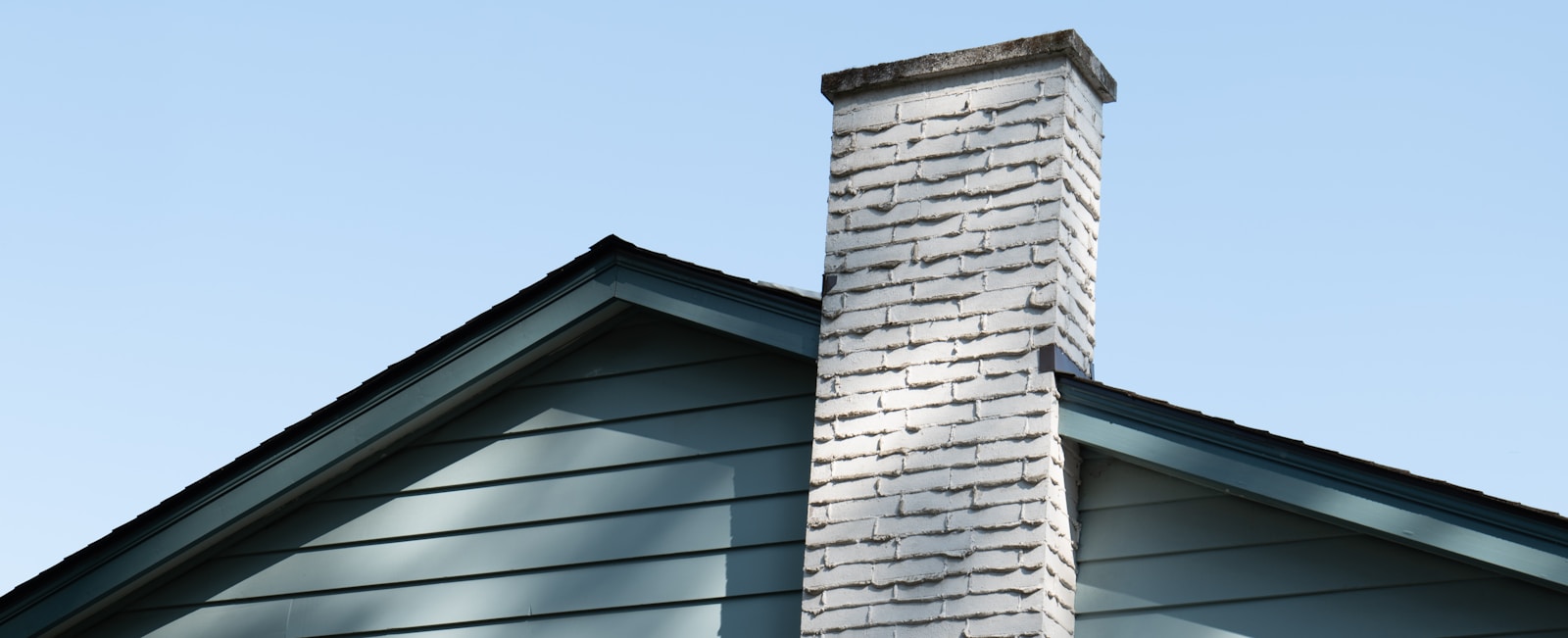
When holes suddenly appear near a chimney, they typically indicate either foundation settling, water damage eroding the soil, or animals burrowing beneath the structure. The homeowner’s worries aren’t unfounded, as holes in chimneys can signal serious problems that need immediate attention.
His discovery joins countless other homeowners who’ve dealt with mysterious chimney issues. Some people have found entire families of squirrels living in their chimneys, while others have discovered strange blockages hiding forgotten secrets. The appearance of this hole has sparked an investigation into what’s really happening beneath his home.
What It Means When A Hole Appears Near Your Chimney
A hole appearing near a chimney can signal anything from structural deterioration to unwanted wildlife taking up residence. The location and characteristics of the opening often reveal whether it’s a construction-related issue or something more concerning.
Common Causes Of Sudden Holes Around Chimneys
Deteriorating mortar and masonry represent the most frequent culprits behind mysterious holes near chimneys. A masonry chimney experiences constant expansion and contraction from temperature changes, which causes bricks to crack and mortar to crumble over time. This process typically takes two to three decades before visible damage appears.
Animal excavation creates another common source of holes around chimney foundations. Groundhogs, skunks, and raccoons dig burrows near the warmth that chimneys provide, especially during colder months. These creatures often target the loose soil around chimney bases where digging proves easier.
Water damage from chimney leaks can erode soil and create voids beneath the structure. When moisture seeps through damaged chimney caps or cracked mortar joints, it saturates the ground and washes away supporting soil. The resulting sinkholes may appear suddenly after heavy rainfall.
Settling foundations sometimes create gaps between the chimney and surrounding soil. Older homes particularly experience this issue as the ground compacts unevenly over decades.
Signs That Something May Be Living Under The House
Physical evidence provides the clearest indication of animal inhabitants. Fresh dirt piles near the hole, tracks in soft soil, or disturbed vegetation around the opening suggest active use. Droppings near the entrance confirm recent animal activity.
Unusual sounds coming from beneath the floor often alert homeowners to wildlife. Scratching, shuffling, or chittering noises typically occur during dawn and dusk when animals are most active. Some residents report hearing movement directly under their living spaces.
Distinctive odors emerge when animals nest under homes. A musky or ammonia-like smell indicates urine accumulation, while decomposition odors suggest a deceased animal. These scents often intensify during warm weather.
Visible pathways show regular traffic patterns. Worn trails leading to and from the hole, flattened grass, or cleared debris indicate established routes that animals use repeatedly.
Potential Risks To Your Home And Family
Structural compromise threatens the chimney’s stability when holes undermine its foundation. The masonry can shift or crack as supporting soil disappears, leading to serious chimney problems that require expensive repairs. A destabilized chimney poses collapse risks during severe weather.
Disease transmission becomes a concern with wildlife living beneath the house. Animals carry parasites, bacteria, and viruses that can spread to humans through contaminated soil or air. Histoplasmosis from accumulated droppings presents particular health hazards.
Secondary pest infestations follow when larger animals create entry points. Insects, snakes, and rodents exploit existing burrows to access the home’s interior. These secondary invaders often cause additional damage to insulation, wiring, and stored items.
Fire hazards increase when chimney issues go unaddressed. Structural damage from undermining can create gaps in the flue liner, allowing heat and sparks to escape into wall cavities. Water infiltration through compromised masonry also accelerates deterioration of fire-resistant materials.
Chimney Structure Damage And Prevention
Structural damage around chimneys creates vulnerabilities that extend beyond the chimney itself, potentially allowing water infiltration and creating openings where animals can access the space beneath a home.
How Chimney Damage Can Lead To Holes And Animal Intrusion
When a homeowner notices a hole near the chimney, it’s often the visible result of hidden deterioration that’s been happening for months or years. Spalling bricks occur when water penetrates the masonry, freezes, and causes the brick faces to pop off or crumble away. This process doesn’t just affect the chimney’s appearance—it creates gaps and voids in the structure.
The chimney crown, which sits at the top of the chimney, acts as the first line of defense against water. A broken crown allows moisture to seep down into the masonry and accumulate around the chimney’s base. As water works its way through the structure, it can erode the soil and create voids underneath the foundation.
Crumbling mortar between bricks provides easy entry points for small animals looking for shelter. Mice, squirrels, and other creatures can exploit these weaknesses, burrowing around the chimney foundation and creating larger holes. The combination of structural deterioration and animal activity can rapidly expand what starts as a small crack into a significant opening.
The Role Of Water Damage And Mortar Joint Deterioration
Water represents the primary enemy of chimney structures. Damaged flashing—the metal strips that seal the joint where the chimney meets the roof—allows water to pour into gaps during rainstorms. Water damage usually occurs when there’s leakage in the roof or cracks in the chimney exterior, and once water begins sitting around the chimney’s footing, it damages components and leads to structural issues.
Mortar joints deteriorate through a process called efflorescence, where water carries dissolved salts to the surface. The white, powdery residue indicates active moisture problems. As the freeze-thaw cycle repeats season after season, the mortar joints lose their binding properties.
Chimney flashing failures don’t just cause leaks inside the house. They direct water down along the exterior of the chimney, saturating the ground around the foundation. This constant moisture creates soft spots in the soil and erodes the support structure, potentially explaining mysterious holes that appear near the base.
Importance Of Regular Chimney Maintenance And Inspections
The National Fire Protection Association recommends homeowners have their chimneys inspected at least once annually. These inspections catch problems before they become dangerous or expensive. A professional chimney sweep examines not just the chimney flue and flue liner, but also checks the exterior masonry, crown, and foundation.
Creosote buildup inside the chimney creates fire risks, but it also produces acidic condensation that eats away at mortar from the inside. Soot buildup combines with moisture to form corrosive compounds. Regular chimney cleaning removes these substances before they cause damage.
An annual chimney inspection by a certified chimney sweep typically identifies issues like leaking flue liners, deteriorating chimney caps, and early-stage mortar problems. Catching these issues early means a simple tuckpointing or repointing job instead of extensive chimney repair work later. The inspection also checks for carbon monoxide risks from cracks that could allow deadly gases to enter living spaces.
When To Call A Certified Chimney Professional
Homeowners should contact chimney professionals immediately when they notice any hole or depression near the chimney base. A certified chimney sweep has the training to assess whether the hole results from settling, water damage, or animal activity. They’ll inspect the chimney crown, check for cracks in the masonry, and examine the chimney flashing for failures.
Flashing repair requires specialized knowledge to properly seal the roof-to-chimney junction. DIY attempts often fail because the flashing must allow for thermal expansion while remaining watertight. Professional chimney maintenance includes checking that the chimney cap is secure and intact, as a missing or damaged cap invites both water and animals.
If the homeowner burns wood regularly, chimney professionals will verify they’re using seasoned hardwood, which produces less creosote. They’ll also check for signs of a previous chimney fire, which can crack the flue liner and create pathways for water infiltration. The combination of expertise in masonry, roofing, and fire safety makes professional evaluation essential when structural concerns arise.
More from Willow and Hearth:
Leave a Reply