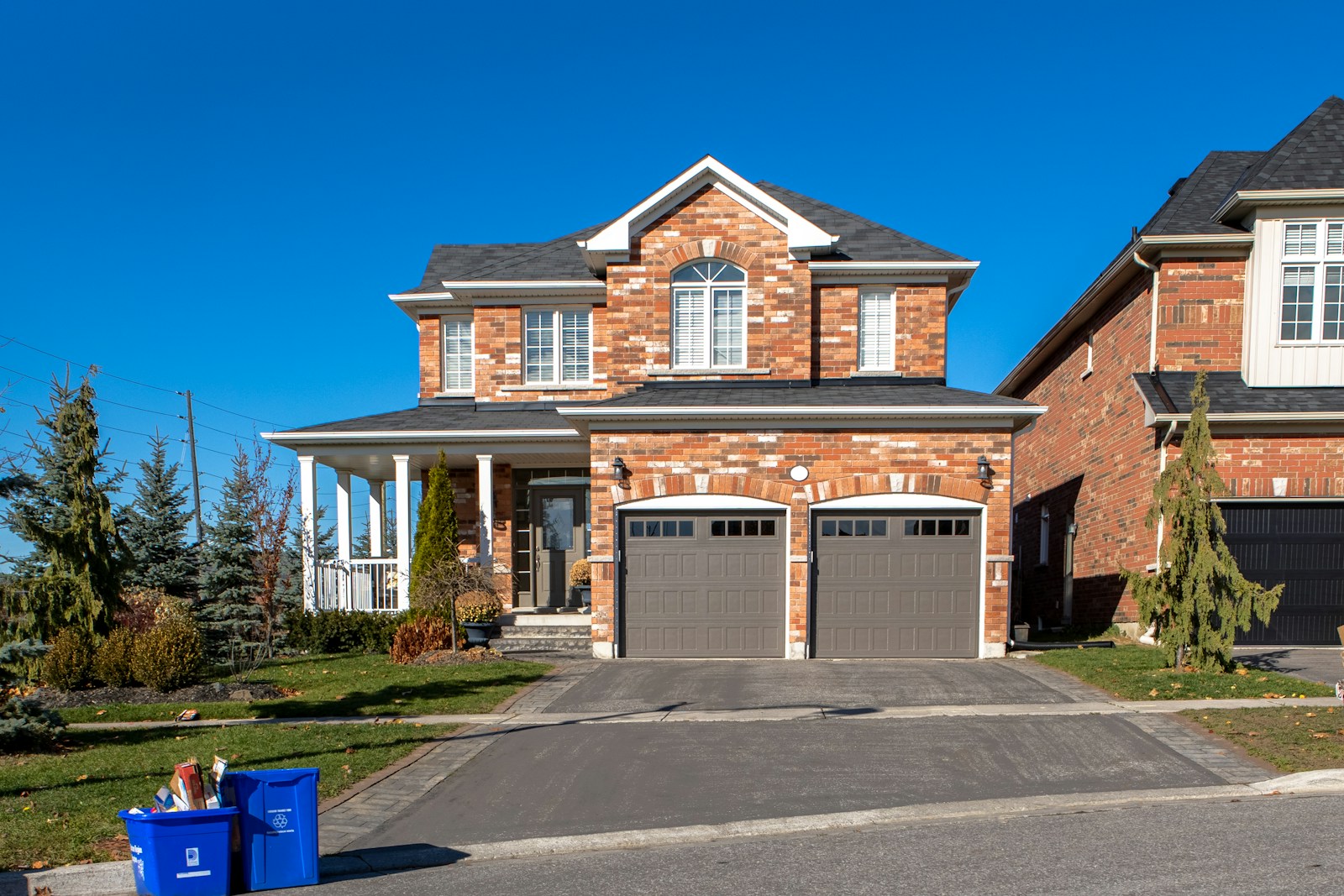
A couple invested thousands of dollars in a brand-new concrete driveway, expecting it to last for decades. Three winters later, they watched in disbelief as their driveway began flaking, cracking, and crumbling apart. What should have been a durable addition to their home had turned into a crumbling mess that looked more like ancient pavement than a recent installation.
The premature deterioration of their newly installed driveway pointed to serious issues with either the installation process, the concrete mixture, or the conditions it faced during those critical first winters. Their experience isn’t isolated—homeowners across the country have reported similar crumbling risks with newly installed driveways that failed far sooner than expected.
The homeowners found themselves facing difficult questions about what went wrong and whether they could have prevented it. Their situation highlights the importance of understanding why concrete fails prematurely and what factors contribute to a driveway crumbling in just a few short years instead of lasting the expected 25 to 30 years.
Why Did The New Concrete Driveway Start Crumbling So Soon?
The homeowners expected their investment to last decades, but concrete cracks and surface deterioration appeared within just three years. Multiple factors contributed to the rapid decline, from installation issues to harsh environmental conditions that tested the concrete slab’s durability.
Identifying Early Signs Of Crumbling And Cracking
The first warning signs showed up during the second winter when the homeowners noticed small hairline cracks forming near the garage entrance. These thin fissures, barely visible at first, spread across sections of the driveway like spider webs. By the third winter, those hairline cracks had widened and deepened.
Flaking appeared along the surface where the top layer started peeling away in small chunks. The concrete contractors who installed the driveway hadn’t included proper control joints, which are designed to direct where cracks form in a predictable pattern. Without these intentional weak points, the concrete cracked randomly across the surface.
The homeowners also spotted areas where the driveway surface looked pitted and rough, with small pieces breaking off when they swept. What started as cosmetic concerns quickly became structural problems as water intrusion worsened the damage each season.
Common Causes For Premature Concrete Failure
The investigation into what went wrong revealed several critical mistakes. The concrete mix itself may have contained too much water, weakening the final product before it even cured. Poor installation practices like inadequate compaction of the soil underneath left the concrete slab without proper support.
Settlement cracks developed where the ground beneath shifted and sank unevenly. The contractors apparently rushed the job, pouring concrete during conditions that weren’t ideal. Plastic shrinkage cracks formed when the surface dried too quickly, creating weak points throughout the driveway.
The base preparation turned out to be insufficient, with soft spots that couldn’t handle the weight of vehicles. These foundational issues meant the driveway was compromised from day one, just waiting for environmental stresses to expose the problems.
The Impact Of Winter Freeze-Thaw Cycles
The harsh winters accelerated the deterioration dramatically. Water seeped into those initial hairline cracks and control joints, then froze when temperatures dropped. Freeze-thaw cycles can reduce concrete lifespan by 50% according to the American Concrete Institute.
Each time water froze inside the concrete, it expanded and pushed the material apart from within. This cycle repeated dozens of times each winter, acting like a slow-motion jackhammer breaking apart the driveway. Frost heave lifted sections of the concrete slab, creating uneven surfaces and wider cracks.
The de-icing salt the homeowners spread made things worse by accelerating the chemical breakdown of the concrete surface. Three winters proved enough to transform minor imperfections into serious structural damage that couldn’t be ignored.
Role Of Poor Installation And Contractor Mistakes
The concrete contractors cut corners that set up the driveway for failure. They didn’t allow adequate curing time before exposing the fresh concrete to traffic and weather. The mix design was wrong for the climate, lacking the air entrainment needed to withstand freezing temperatures.
Proper compaction of the subgrade never happened, leaving voids and soft spots under the concrete slab. The crew poured sections without including enough control joints to manage natural expansion and contraction. They also failed to slope the driveway properly for drainage, allowing water to pool and seep into vulnerable areas.
The homeowners later discovered their contractor lacked proper licensing and had similar complaints from other customers. The rushed installation during marginal weather conditions meant the concrete never achieved its intended strength, leaving it defenseless against normal wear and harsh winters.
Repair Solutions And Prevention For Future Driveway Damage
When concrete driveways fail prematurely, homeowners face difficult decisions about whether to patch the damage or start over, while also needing to address the underlying problems that caused the deterioration in the first place.
Choosing The Right Repair Method: Filler, Resurfacing, Or Replacement
For driveways showing cracks less than 1/4 inch wide, concrete crack filler offers a temporary fix. These products seal small gaps but don’t address structural issues underneath. The patches often look different from the surrounding concrete, creating a blotchy appearance across the driveway.
When damage extends beyond minor cracks, concrete resurfacing becomes the middle-ground option. A resurfacing compound creates a new layer over the existing surface, covering spalling, discoloration, and larger cracks. This approach costs between $3 to $10 per square foot, depending on decorative options and surface preparation needs.
Slab replacement becomes necessary when the damage indicates fundamental problems. Cracks wider than 1/4 inch often signal issues with the foundation, whether from tree roots, erosion, or improper installation. In these cases, patches and overlays only delay the inevitable. Contractors need to remove the old concrete, address the subgrade issues, and pour a new slab with proper rebar reinforcement.
Drainage Improvements And Preventing Water Issues
Water accumulation around concrete creates most of the serious damage homeowners encounter. When moisture seeps beneath the slab, it erodes the soil, leading to settling and cracking. During freeze-thaw cycles, trapped water expands and contracts, causing the surface to break apart.
Drainage improvements include installing French drains alongside the driveway, regrading the surrounding soil to slope away from the concrete, and adding gutters or downspout extensions. Some contractors recommend concrete leveling techniques to fix minor settling before it worsens. These adjustments redirect water before it reaches the vulnerable areas beneath the slab.
How To Select Reliable Concrete Contractors
After experiencing early driveway failure, homeowners often become more cautious about hiring contractors. References from neighbors who have driveways that survived multiple winters provide valuable insight. Checking licensing, insurance, and whether the contractor offers warranties on their work helps filter out unreliable options.
The concrete mix itself matters significantly. Contractors should specify the PSI rating and air entrainment percentage they’ll use. For freeze-thaw climates, air-entrained concrete at 4,000 PSI provides better durability than standard mixes. Questions about subgrade preparation, whether they’ll use rebar or wire mesh, and their curing process reveal how seriously they take quality.
Long-Term Maintenance Tips For Driveway Longevity
Even properly installed driveways need ongoing attention to reach their expected lifespan. Sealing the concrete every two to three years protects against moisture penetration and chemical damage from deicing salts. Property owners should clean oil stains promptly, as petroleum products break down the concrete surface over time.
Avoiding harsh deicing chemicals during winter extends the driveway’s life. Sand or calcium magnesium acetate cause less surface damage than rock salt. Keeping the surface clean of debris and repairing small cracks immediately prevents them from expanding into larger problems that require expensive concrete repair work.
More from Willow and Hearth:
Leave a Reply