A peaceful suburban morning turned into a full-blown neighborhood dispute when one couple’s backyard chicken coop became the source of an unexpected complaint. Their neighbor claimed the hens were waking them up before sunrise every day, sparking a heated exchange that has divided their community.
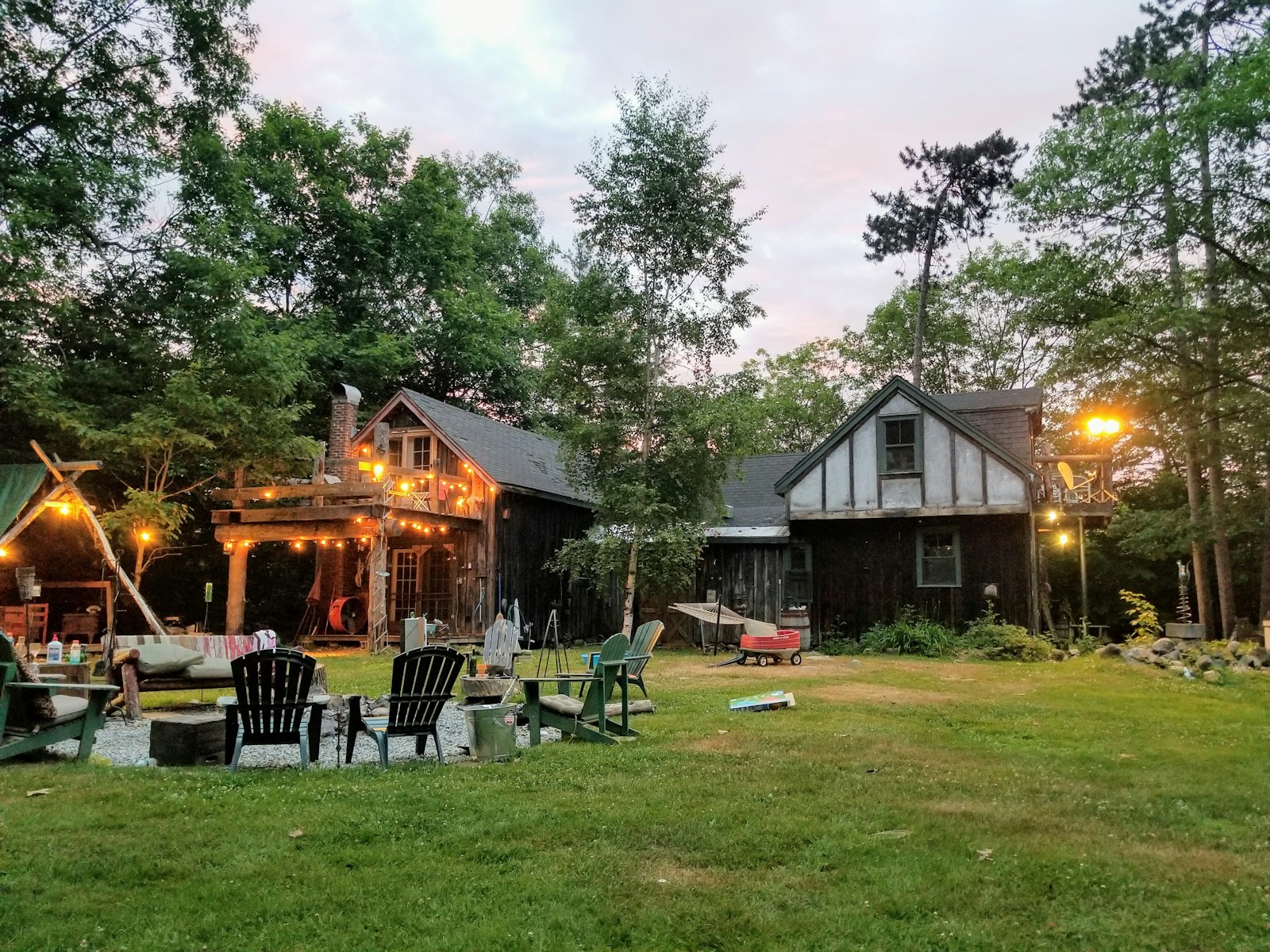
The conflict centers on whether backyard chickens constitute a reasonable hobby or an unacceptable noise disturbance in a residential area. What started as a simple request to address the early morning clucking quickly escalated into a broader debate about property rights, urban farming, and neighborly consideration.
The couple maintains their small flock follows all local regulations and provides fresh eggs for their family. Meanwhile, the frustrated neighbor insists the daily wake-up calls have disrupted their sleep schedule and quality of life, leaving both sides struggling to find common ground.
Chicken Coop Drama: The Neighbor’s Early Morning Complaint
What begins as a peaceful backyard hobby quickly escalates when dawn choruses from hens trigger complaints about disrupted sleep schedules and property boundaries.
How the Noise Issue Started
The couple set up their chicken coop with high hopes for fresh eggs and a bit of country living in their suburban backyard. They positioned the structure near the rear property line, thinking the distance from neighboring homes would minimize any potential disturbances.
The hens started their daily routine before sunrise, clucking and cackling as they settled into their morning rhythm. Their neighbor began noticing the sounds around 5:30 AM each day. The noise wasn’t particularly loud, but it was persistent enough to penetrate through bedroom windows.
What the couple didn’t anticipate was how sound travels in the early morning quiet. The hens’ vocalizations carried further than expected across the yards.
Neighbor’s Response and Complaints
The neighbor approached the couple after several weeks of interrupted sleep. He explained that the chickens were waking him up every morning before his alarm went off. He worked a later shift and relied on sleeping past dawn.
His initial conversation was polite but firm. He asked if there was anything they could do about the timing or volume of the chicken activity. When he didn’t see immediate changes, his frustration escalated into demands about moving or removing the coop entirely.
The neighbor started documenting the noise levels and researching local ordinances. He threatened to file formal complaints with the homeowners association if the situation wasn’t resolved quickly.
Couple’s Reaction to the Complaints
The couple felt blindsided by the intensity of the neighbor’s response. They had checked local regulations before getting chickens and believed they were within their rights to keep a small backyard flock.
They offered some compromises, including adding sound-dampening materials to the coop and adjusting feeding times. However, they weren’t willing to rehome their birds over what they considered normal animal behavior. The couple pointed out that the hens were quieter than most dogs in the neighborhood.
Tensions between neighbors over backyard coops aren’t uncommon in suburban areas. The situation left both parties feeling unheard and frustrated with no clear resolution in sight.
Finding Harmony: Navigating Backyard Chickens and Neighborhood Peace
Morning chicken noise has become a flashpoint in suburban neighborhoods across the country, with disputes ranging from daily $50 fines in New Jersey to zoning battles in York County. Many chicken keepers find themselves caught between their love for their birds and the reality of frustrated neighbors.
Ways to Reduce Hen Noise in the Morning
Hens typically start their daily clucking around sunrise, which can range from 5 AM in summer to 7 AM in winter. The noise comes primarily from egg-laying announcements and general morning activity as the flock emerges from the coop.
Strategic coop placement makes a significant difference. Positioning the coop at least 10 to 15 feet from property lines helps buffer sound transmission. Some chicken keepers have installed soundproofing materials like acoustic panels or mass-loaded vinyl inside their coops.
Keeping hens inside the coop until a more reasonable hour works for many owners. A small coop light on a timer can delay their wake-up routine by about an hour. Avoiding roosters entirely eliminates the loudest source of morning noise, though hens themselves can still be quite vocal during egg-laying.
Local Laws and Noise Ordinances
Municipal regulations vary dramatically from one location to another. Some cities permit backyard chickens with specific restrictions on coop placement and flock size, while others ban them outright in residential zones.
Zoning regulations often require chickens to be kept a certain distance from neighboring properties. Noise ordinances may set decibel limits or restrict chicken-keeping hours. A Manchester Township couple faced pushback when their coop’s proximity to neighboring homes violated local zoning rules.
HOA restrictions add another layer of complexity. Some associations maintain blanket bans on livestock, including chickens.
Tips for Neighborly Communication
Many chicken-related disputes escalate because owners don’t realize their birds are causing problems. Early communication often prevents conflicts from reaching the point of formal complaints or legal action.
Photographer and chicken keeper Amy Renea suggests giving neighbors advance notice before bringing chickens home. This simple courtesy allows neighbors to voice concerns before anyone invests time and money into a coop setup.
When complaints do arise, some chicken keepers have success inviting neighbors over to meet the birds and see the setup firsthand. Others offer fresh eggs as a peace offering. Community mediation services provide neutral ground for resolving disputes when direct conversation becomes too heated.
More from Willow and Hearth:
Leave a Reply