A homeowner is standing firm against their homeowners association after receiving demands to repaint a bright blue front door that has sparked complaints from neighbors. The resident’s defiant response echoes a sentiment many homeowners share when faced with HOA restrictions: “It’s my house, not yours.”
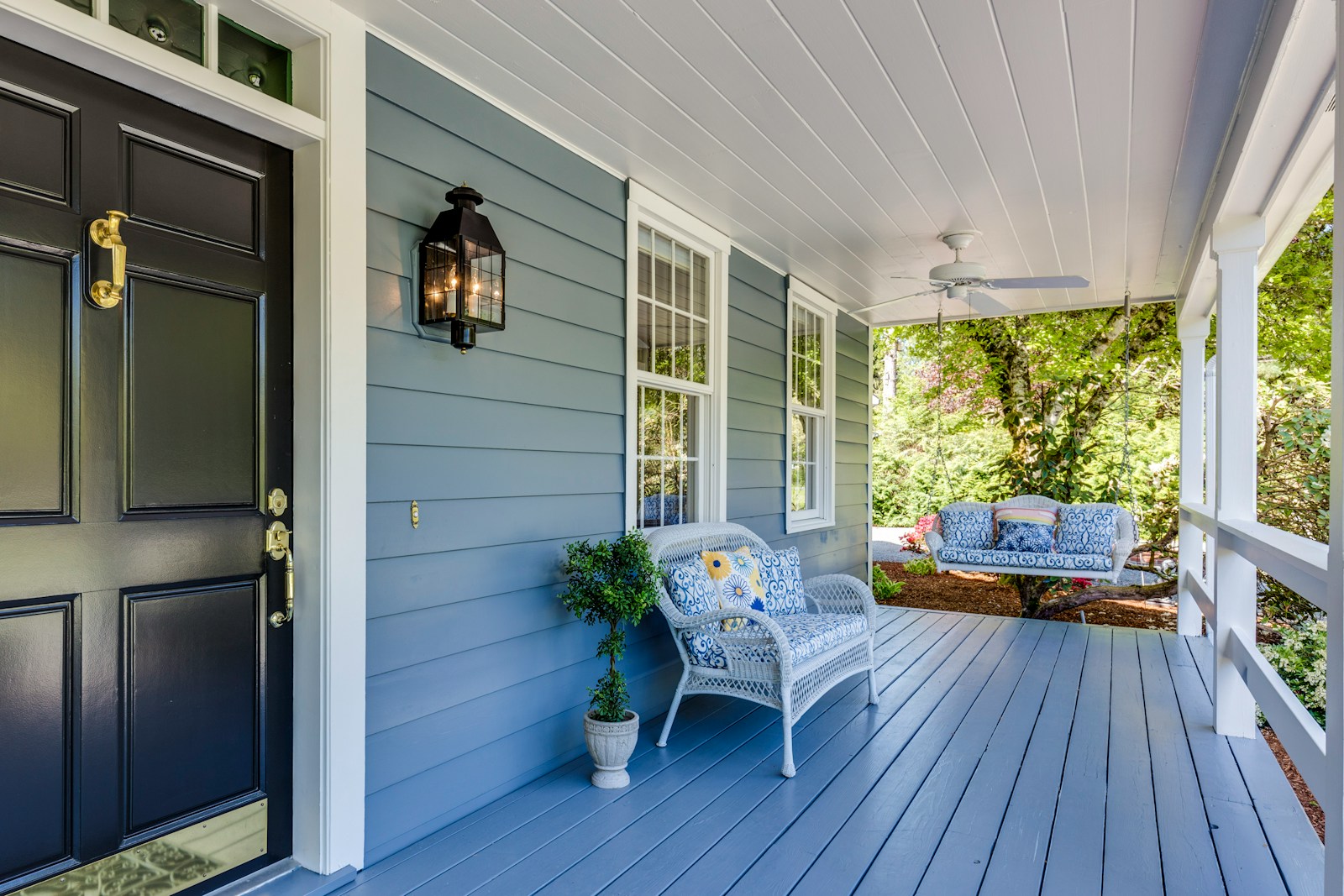
The conflict highlights the ongoing tension between individual property rights and HOA authority over aesthetic standards in residential communities. While HOA bylaw changes can require significant member approval, existing rules about exterior home modifications often give associations considerable power over what homeowners can and cannot do with their properties.
The standoff over this colorful door raises questions about how much control HOAs should have over personal property choices. The homeowner’s refusal to comply sets the stage for a battle that could have implications for residents living under similar association rules across the country.
The Dispute Over the Bright Blue Door
The conflict began when the homeowner received formal notice from the HOA about their vibrant front door, which had drawn complaints from several residents in the community. The homeowner pushed back against the demand, asserting their right to personalize their property despite the association’s objections.
How the HOA Demand Was Delivered
The HOA sent a certified letter to the homeowner outlining the violation of community aesthetic standards. The letter specified that the bright blue door did not comply with the approved color palette for exterior home modifications.
According to the notice, the homeowner had 30 days to repaint the door to a neutral, pre-approved color. The letter referenced the community’s Covenants, Conditions, and Restrictions (CC&Rs) that all residents agreed to upon purchasing their property.
The HOA threatened fines of $50 per day if the homeowner failed to comply after the grace period ended. The association’s architectural review committee had not approved the blue color prior to the door being painted.
Complaints From Neighbors
Multiple neighbors contacted the HOA board expressing their dissatisfaction with the bright blue door. They claimed the vivid color disrupted the neighborhood’s cohesive appearance and negatively impacted property values.
Some residents said the door stood out too much against the surrounding homes, which featured more subdued earth tones and neutral colors. At least three formal complaints were filed within the first two weeks after the door was painted.
One neighbor told the HOA board that the door was “an eyesore” that could be seen from several houses down the street. Others worried it would set a precedent for more unconventional color choices throughout the community.
Homeowner’s Response and Justification
The homeowner refused to repaint the door, declaring “It’s my house, not yours” in response to the HOA’s demand. They argued that HOA rules and regulations in California should not override personal expression on their own property.
The homeowner claimed they never received proper documentation about color restrictions when they purchased the home. They also pointed out that the blue shade matched their personal style and made their house easier for guests to locate.
The resident stated they were prepared to fight the fines and challenged the HOA to take legal action if necessary. They believed the restriction was overly restrictive and questioned whether other minor violations in the neighborhood were being enforced with equal vigor.
What This Standoff Means for Homeowners and HOAs
This dispute highlights the ongoing tension between individual property rights and community standards. HOAs maintain authority over aesthetic choices, but homeowners increasingly push back against restrictions they view as excessive.
Common HOA Rules on Exterior Paint
Most HOA covenants include detailed restrictions about exterior paint colors. Associations typically maintain approved color palettes ranging from neutral beiges and grays to muted earth tones. Some communities limit homeowners to three or four pre-selected shades.
Doors often face stricter scrutiny than full exterior walls. Many HOAs require front doors to match the main house color or select from a narrow range of “accent” colors. Bright blues, reds, or yellows frequently appear on prohibited lists.
The architectural review committee reviews paint requests before homeowners make changes. This process can take 30 to 60 days in larger communities. Homeowners who paint without approval risk fines starting at $50 to $100 per violation, with daily penalties accumulating until they comply.
Some associations grandfather in colors that existed before current rules took effect. Others require all homes to conform during the next paint cycle.
Rights of Homeowners in HOA Communities
Homeowners sign restrictive covenants when they purchase property in an HOA community. These legally binding documents grant the association enforcement powers over aesthetic standards. Courts generally uphold HOA rules unless they’re arbitrary, discriminatory, or violate state law.
Texas HOA laws changed significantly in 2025, protecting homeowners on issues like solar panels and brown lawns during droughts. However, paint color restrictions remain enforceable in most states. Homeowners can challenge rules by attending board meetings, gathering neighbor support, or requesting formal hearings.
Legal challenges succeed when HOAs fail to follow their own procedures or enforce rules inconsistently. If neighbors have unapproved colors without penalties, selective enforcement claims gain traction.
Potential Outcomes of Refusing HOA Requests
The homeowner in this standoff faces escalating consequences. The HOA will likely issue formal violation notices followed by fines. These penalties can reach thousands of dollars if daily fees accumulate over months.
Unpaid fines become liens against the property. HOAs can eventually foreclose on homes for unpaid assessments and penalties, though this remains rare for paint violations alone. More commonly, liens complicate refinancing or selling the home.
The dispute could end through negotiation. The HOA board might add the homeowner’s preferred blue to approved colors if enough residents support the change. Alternatively, the homeowner might compromise by selecting a less vibrant shade.
If neither side budges, litigation becomes possible. Court cases over paint colors have occurred nationwide, with mixed results depending on how clearly the governing documents address the specific issue.
More from Willow and Hearth:
Leave a Reply