A homeowner received an unexpected fine from her homeowner’s association after planting tomatoes in her front yard. The HOA claimed her vegetable garden violated community rules and told her the neighborhood wasn’t meant to be a farm.
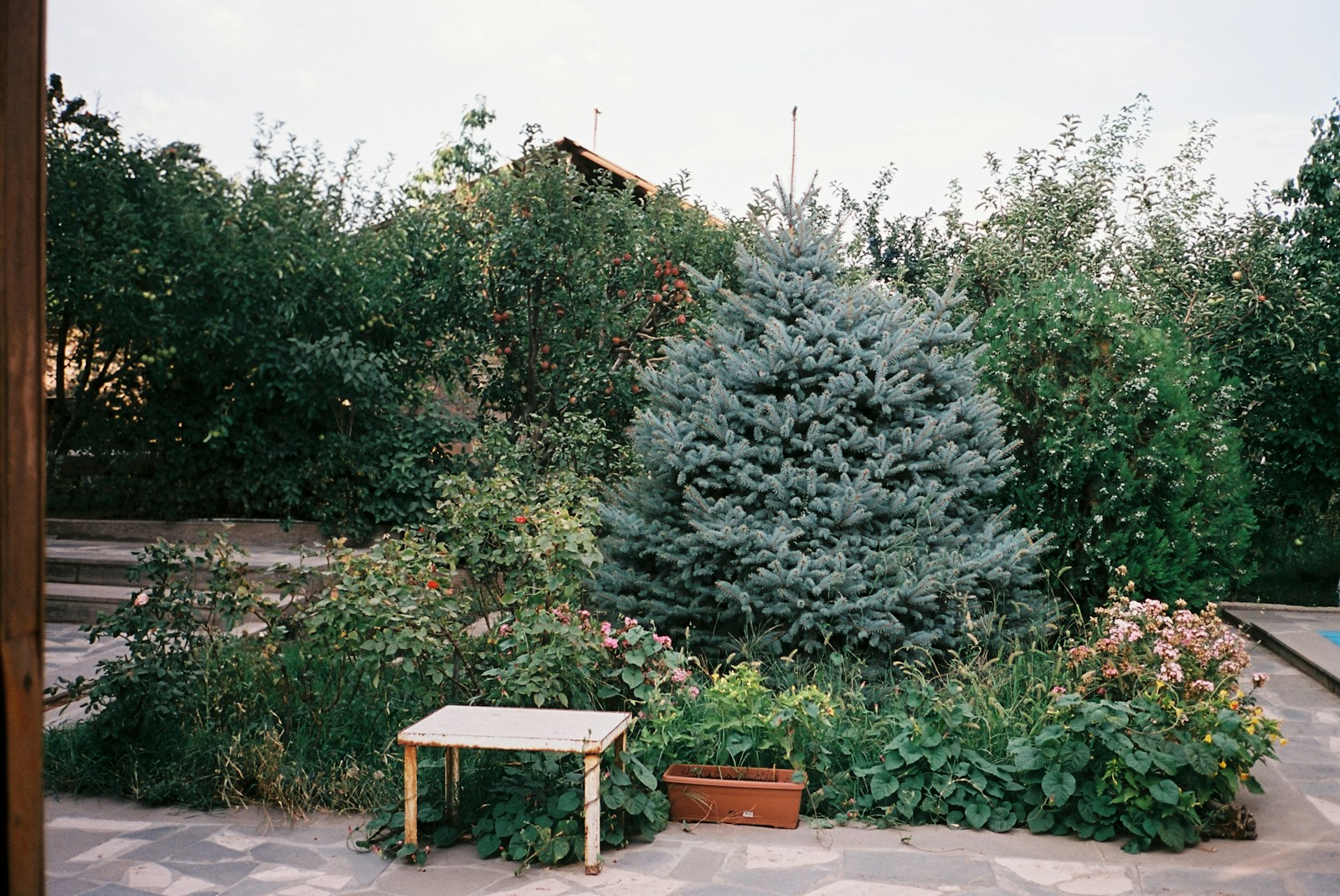
The incident has sparked debate about how far HOAs can go in controlling what residents grow on their own property. What started as a simple gardening project turned into a clash between personal property rights and neighborhood regulations.
The case highlights ongoing tensions between homeowners who want to use their yards for food production and associations enforcing strict aesthetic standards. The dispute raises questions about whether these rules serve the community or simply restrict reasonable activities.
HOA Fines Over Tomato Planting: What Happened?
Homeowners across the country have faced steep penalties from their HOAs for planting vegetables in their yards. Some homeowners have been hit with fines as high as $500 just for growing tomatoes.
Details Of The Incident
One homeowner’s situation escalated when her HOA discovered tomato plants in her front yard. The association claimed the vegetable garden violated neighborhood landscaping standards and didn’t fit the aesthetic they wanted to maintain.
She received notice that growing food crops in visible areas went against the community rules. The HOA issued warnings before moving forward with financial penalties.
What started as a simple backyard gardening project turned into a conflict over property rights and HOA authority. The fines came with additional demands to remove the plants entirely.
In another case, a homeowner’s girlfriend’s parents were fined $350 when their garden extended just four inches beyond the allowed eight-by-eight-foot area. The small measurement error, likely from tilling, resulted in harsh consequences.
HOA Rules On Landscaping
Many HOAs enforce strict guidelines about what homeowners can plant and where. These rules typically focus on maintaining uniform appearances throughout neighborhoods.
Some associations permit gardens only in backyards or limit them to specific dimensions. Height restrictions on plants are common, with some HOAs capping vegetation at four feet tall.
HOAs often impose restrictions on native plant lawns, trees, or gardens where residents want to grow their own food. The stated goal is preserving property values and neighborhood aesthetics.
Front yard restrictions tend to be stricter than backyard rules. Vegetable gardens are frequently banned from street-facing areas entirely, while ornamental plants may be allowed with approval.
Reaction From The Homeowner
The homeowner was shocked by the severity of the response to her tomato plants. She didn’t expect such aggressive action over what she viewed as a harmless garden.
Many homeowners in similar situations express frustration at what they see as overreach. They argue that growing food on their own property should be their right.
The HOA demanded the family cover their garden with sod and forbade them from gardening for an entire year while threatening additional fines. The punishment felt excessive for such a minor violation.
Some affected homeowners have considered legal action. Others have sought to work within the system by requesting rule changes or variances.
Neighborhood Response
Neighbors had mixed reactions to the HOA’s enforcement actions. Some sided with the association, believing rules should apply equally to everyone.
Others felt the penalties were too harsh for a vegetable garden. They questioned whether the HOA’s priorities were properly aligned with community interests.
In one incident, a next-door neighbor complained to an HOA board member about the garden being too close to her property. Her complaint triggered the inspection that led to the fine.
Online communities have rallied behind homeowners facing garden-related HOA fines. Reddit users and social media commenters often express strong anti-HOA sentiments when these stories emerge.
The Bigger Picture: HOA Regulations And Gardening Rights
HOA gardening disputes have become increasingly common as more homeowners turn to growing their own food, creating a legal gray area where private association rules clash with individual property rights and sometimes even state-level protections.
Understanding Common HOA Gardening Restrictions
Most homeowners’ associations operate under covenants, conditions, and restrictions that give them broad authority over landscaping and exterior appearance. These rules typically target front-yard gardens more aggressively than backyard plantings, viewing visible vegetable gardens as inconsistent with neighborhood aesthetics.
HOA crackdowns on backyard gardens often start with warnings about raised beds being classified as “unauthorized structures” or compost bins flagged as code violations. Front yards face even stricter scrutiny, with associations frequently treating vegetable gardens as nonconforming landscaping regardless of how well-maintained they are.
The restrictions aren’t limited to vegetables themselves. Trellises get labeled as fencing violations, rain barrels are prohibited, and even pollinator-friendly wildflowers can trigger fines. Some HOAs maintain approved plant lists that exclude edible species entirely, while others set height restrictions that make growing tomatoes or pole beans nearly impossible.
How To Challenge HOA Fines
When homeowners receive fines for their gardens, they’re often caught completely off guard. The clash between HOA enforcement power and emerging “right-to-garden” protections in some states creates confusion about who actually has final say over residential food production.
Several states have passed legislation supporting backyard food gardens, though these laws vary widely in scope and don’t always override HOA authority. Homeowners challenging fines typically need to review both their specific HOA documents and local ordinances to understand where they stand legally.
Disputes over HOA plant restrictions often escalate quickly when residents feel their independence and values are being attacked. The emotional intensity stems from gardens representing more than just plants—they symbolize sustainability, self-reliance, and personal freedom in how people choose to live.
Tips For Front Yard Gardening Within HOA Guidelines
Front yards present the biggest challenge for HOA gardeners because visibility makes them prime targets for enforcement action. Associations view street-facing landscapes as critical to maintaining property values and community standards, making them far less tolerant of unconventional plantings.
Some communities are updating their rules to allow structured gardens in designated areas or establishing eco-friendly landscaping standards that accommodate edibles. These changes happen when boards recognize shifting lifestyle priorities and the growing demand for sustainable living options.
Homeowners in strict HOA communities sometimes find success by incorporating edibles into ornamental landscaping—planting cherry tomatoes as decorative container plants or using herbs as border plants. This approach doesn’t guarantee approval, but it demonstrates an attempt to balance personal goals with community aesthetics.
More from Willow and Hearth:
Leave a Reply