A homeowner is expressing frustration after discovering their neighbor has been feeding their outdoor cat without permission, with the neighbor justifying the action by claiming the pet “looks hungry.” The situation has sparked a heated debate about pet ownership boundaries and neighborly etiquette.
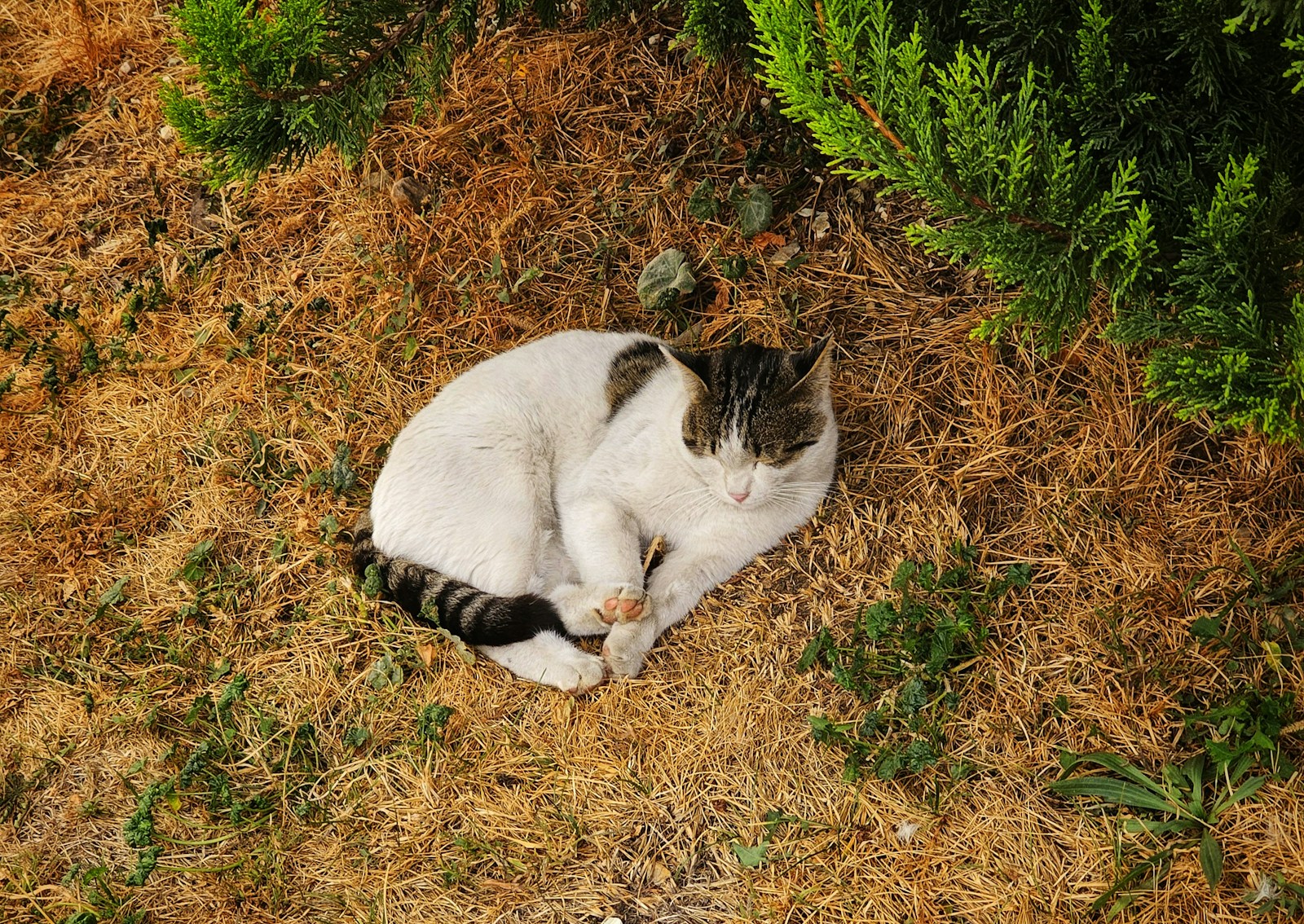
The incident highlights a common source of tension between neighbors when it comes to outdoor cats, as well-meaning gestures can actually create serious problems for pet owners who have specific feeding schedules and dietary needs for their animals. The homeowner’s anger stems from the neighbor’s assumption that the cat was neglected rather than simply being an outdoor pet with a regular feeding routine at home.
This dispute raises questions about when it’s appropriate to intervene with someone else’s pet and whether neighbors should always ask permission before feeding animals that don’t belong to them. The story reveals how different perspectives on pet care can lead to unexpected conflicts in residential communities.
What Happened Between the Homeowner and Neighbor
The conflict began when a neighbor started feeding the homeowner’s outdoor cat, sparking tension that quickly escalated from a simple misunderstanding into a heated dispute about boundaries and pet ownership.
The Uninvited Feeding
The neighbor had been regularly feeding the homeowner’s outdoor cat for several weeks without asking permission first. The cat, which spent time both indoors and outdoors, would visit the neighbor’s property during its daily wanderings.
The neighbor justified the feeding by saying “he looks hungry to me,” apparently assuming the cat was neglected or in need of extra meals. The homeowner discovered this when they noticed their cat spending increasingly more time at the neighbor’s house and showing less interest in the food provided at home.
The cat had been on a specific diet and feeding schedule, which the unauthorized feeding disrupted. The homeowner became concerned about potential health issues and the cat’s changing behavior patterns.
Reactions and Emotions on Both Sides
The homeowner felt angry and violated that someone would take it upon themselves to feed their pet without consulting them first. They viewed it as an overstep of boundaries and an implicit criticism of their pet care abilities.
The neighbor, however, seemed genuinely convinced they were helping an animal in need. They didn’t appear to understand why the homeowner was upset, believing their actions were compassionate rather than intrusive.
The homeowner expressed frustration that the neighbor acted without knowledge of the cat’s dietary needs or medical history. The situation created tension in what had previously been a relatively peaceful neighborhood relationship.
Initial Conversation and Responses
When the homeowner first confronted the neighbor about the feeding, the conversation didn’t go well. The neighbor defended their actions by insisting the cat appeared hungry and that they were simply being kind to an animal.
The homeowner explained that the cat was well-fed and cared for, and that the unsolicited feeding was interfering with the pet’s diet and routine. They asked the neighbor to stop immediately.
The neighbor’s response was dismissive, suggesting the homeowner was overreacting to a simple act of kindness. This made the homeowner even more furious, as they felt their concerns about their own pet were being ignored and minimized.
Why Feeding Someone Else’s Cat Can Cause Problems
When neighbors feed cats that aren’t theirs, they might think they’re helping, but this well-intentioned act can disrupt the animal’s health routine and blur important property boundaries.
Pet Health and Special Diets
Many cats require specific diets that their owners carefully manage. Some felines have diabetes, kidney disease, or food allergies that demand precise nutritional control. When neighbors offer random treats or meals, they can unknowingly trigger health issues in cats with dietary restrictions.
Weight gain becomes another concern when cats receive food from multiple sources. The owner tracks their pet’s calorie intake based on what they provide at home, but extra meals throw off this balance entirely. A cat that appears hungry might simply be exhibiting normal begging behavior rather than actual hunger.
Unauthorized feeding can also cause sudden digestive upset. Cats have sensitive stomachs, and introducing new foods without the owner’s knowledge can lead to vomiting or diarrhea. The owner then faces vet bills and stress trying to identify the cause without realizing their neighbor has been slipping food to their pet.
Boundaries and Neighborly Respect
Feeding someone else’s cat raises legal and ethical questions about property and interference. While not always explicitly illegal, this practice can constitute interference with someone else’s property. The cat belongs to a specific household, and the owner has the right to control all aspects of their pet’s care.
This situation creates tension between neighbors who might otherwise get along well. The cat owner feels undermined and disrespected when someone makes decisions about their pet without permission. The neighbor feeding the cat might feel defensive when confronted, believing they were only showing kindness to what appeared to be a hungry animal.
How Outdoor Cats Are Cared For
Outdoor cats follow routines their owners establish based on their specific needs. These cats may roam during certain hours but return home for scheduled meals. They’re not strays simply because they’re outside exploring their territory.
Owners of outdoor cats monitor their pets’ behavior and watch for signs like weight changes or extended disappearances that indicate something has disrupted their normal pattern. When a neighbor regularly feeds an outdoor cat, the animal may start spending more time at that house instead of coming home. This changes the cat’s relationship with its actual owner and can make it harder to track the pet’s whereabouts and wellbeing.
More from Willow and Hearth:
Leave a Reply