Home improvement projects can strengthen relationships or strain them, and for one frustrated wife, her husband’s latest DIY endeavor firmly fell into the latter category. A woman recently expressed her fury after her husband began a kitchen renovation project and left behind a chaotic mess of tools and sawdust scattered throughout the space. The situation highlights a common source of tension that many couples face when tackling home improvements.
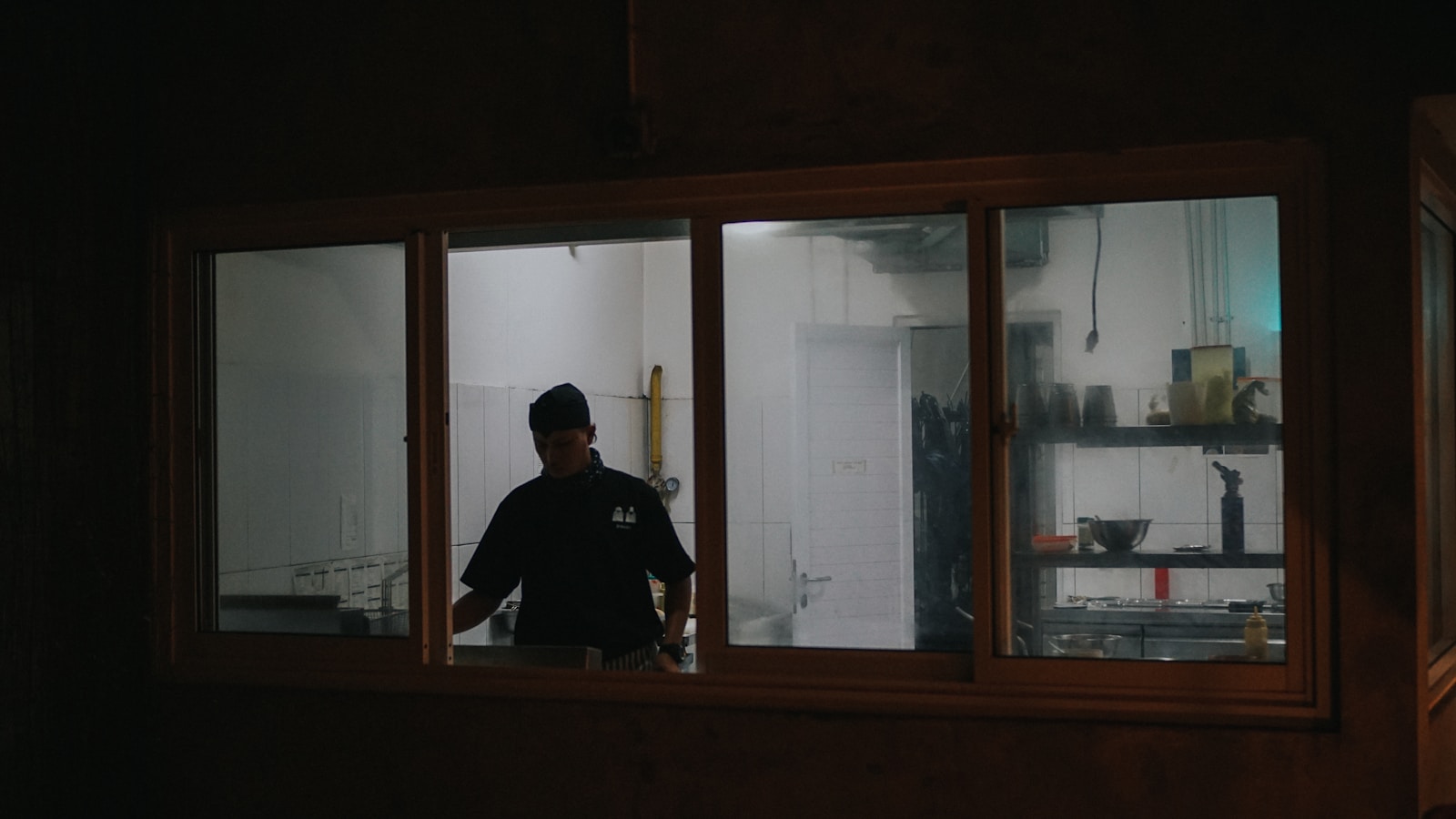
DIY projects often reveal underlying relationship dynamics, and this scenario is no exception. The woman returned to find her kitchen transformed into what resembled a construction zone rather than a functional cooking space. Tools were strewn across countertops, sawdust covered surfaces, and the project sat unfinished with no clear timeline for completion.
What started as an ambitious attempt to improve their home quickly became a source of conflict. While the husband may have had good intentions, the execution left his wife dealing with the aftermath of a late-night project that disrupted their daily routine. The incident raises questions about communication, shared responsibilities, and how couples navigate the challenges that come with home renovations.
Chaos in the Kitchen: Dealing With DIY Disasters
Kitchen renovation projects can transform a functional cooking space into a construction zone filled with sawdust, scattered tools, and half-finished cabinets. The disruption affects everything from meal preparation to basic cleanup routines.
Immediate Frustrations and Mess
The most obvious problem when someone starts a kitchen DIY project is the physical mess that takes over the space. Sawdust settles on countertops, floors, and even inside cabinets where dishes are stored. Power tools occupy valuable workspace where food prep normally happens.
Paint cans, measuring tapes, and drill bits clutter areas that were previously clear. The kitchen table often becomes a makeshift workbench, leaving no room for family meals. Debris accumulates quickly, and daily sweeping becomes necessary just to walk safely through the room.
Common messes include:
- Wood shavings and dust coating appliances
- Tool bags blocking access to the refrigerator
- Drop cloths covering the floor
- Hardware and screws scattered across surfaces
Impact on Daily Routines
Cooking becomes nearly impossible when someone can’t access basic appliances or counter space. Many people find themselves eating takeout for days or weeks while projects drag on longer than expected. The sink might be unusable if plumbing work is involved.
Morning coffee routines get disrupted when the coffee maker is unplugged or relocated. Kids can’t do homework at the kitchen table because it’s covered in project materials. Even simple tasks like washing hands or grabbing a snack become complicated when the space is cluttered with construction materials.
Some families resort to setting up temporary kitchen areas in other rooms, using microwaves and electric kettles in dining rooms or basements. Others find themselves navigating kitchen chaos that tests their patience daily.
Common Reactions From Others
Family members typically express frustration when DIY projects create extended disruption. Complaints about dust, noise, and inconvenience are standard responses. Some spouses feel their concerns get dismissed when the person doing the project insists everything will be finished soon.
Friends and relatives who visit during renovation periods often react with surprise or amusement at the state of the kitchen. Extended family members might offer unwanted advice or criticism about the project approach. Neighbors sometimes comment on the sound of power tools running at odd hours.
Social media posts about DIY projects gone wrong regularly go viral, with people sharing their own experiences in the comments. These stories resonate because kitchen disasters are relatable experiences that many households endure.
Finding Solutions and Setting Boundaries
When a partner leaves a mess from an unfinished project, addressing the situation requires direct communication about expectations and follow-through. The woman needed to establish what was acceptable in their shared space and hold her husband accountable for completing what he started.
Starting a Calm Conversation
The woman had to bring up the kitchen disaster without letting her frustration turn the discussion into a fight. She explained how the sawdust covering countertops and tools blocking workspace made it impossible for her to use the kitchen normally. Her husband needed to hear specific examples of how his abandoned project affected daily life.
She pointed out that she couldn’t prepare meals properly and that the mess had been sitting there for days with no sign of progress. The conversation focused on facts rather than attacking his character. She asked when he planned to finish and what his timeline looked like for completion.
By keeping emotions in check during this initial talk, she gave him a chance to respond without getting defensive.
Creating Clear Expectations
The couple needed to establish ground rules for future home improvement projects. They discussed requiring advance notice before starting work that would disrupt shared spaces. She made it clear that leaving the kitchen unusable for extended periods wasn’t acceptable.
They talked about setting realistic timeframes for projects. If he couldn’t finish in a weekend, he needed to clean up work areas at the end of each day. Tools had to be stored properly instead of scattered across surfaces where food preparation happened.
The woman insisted on boundaries that don’t necessarily require the other person’s participation for her to maintain a functional kitchen. She could move tools to the garage herself if they remained out past agreed-upon times.
Encouraging Accountability
Her husband needed to take ownership of finishing what he started. The woman asked him to commit to a completion date and stuck to checking in on progress. She reminded him about the project when he got distracted by other things.
If he genuinely couldn’t finish, she expected him to either hire someone or admit the project was beyond his skills. The kitchen couldn’t remain in limbo indefinitely while he figured things out.
She made it clear that future DIY attempts would depend on how he handled this situation. His credibility for home projects was on the line.
More from Willow and Hearth:
Leave a Reply