
American households discard countless items daily without considering whether they’re disposing of them properly or if better alternatives exist. From kitchen essentials to bathroom products, many families automatically toss things in the trash that could be recycled, repurposed, or handled more sustainably. The average American throws away approximately 4.5 pounds of trash every day, and that number tends to be even higher for those living in urban areas.
Understanding which common household items people discard most frequently—and learning smarter disposal methods—can help families reduce waste, save money, and make more environmentally conscious choices. Many of these items end up in landfills when they could have been given a second life through recycling programs or creative reuse. While some waste is unavoidable, a significant portion results from habits that can be changed with minimal effort.
The items families throw away most often range from food waste due to poor meal planning to everyday disposable products that have accumulated in homes. By recognizing these patterns, households can make small adjustments that add up to meaningful differences over time.
Expired food products
Americans discard nearly 60 million tons of food annually, much of it still perfectly safe to eat. Many families toss items based on expiration dates without realizing these labels often indicate peak quality rather than safety.
Confusion over date labels drives unnecessary waste. Foods like dry pasta, canned goods, and even dairy products frequently remain edible well past printed dates. Households throw away one-third of their food, costing money and harming the environment.
Old takeout containers
Many families toss old takeout containers without a second thought, but this creates unnecessary waste. The average American household discards enough food weekly to fill nearly 360 medium-sized takeout containers annually.
These containers can often be cleaned and reused for food storage or organizing small household items. However, experts recommend against reheating food in plastic takeout containers long-term. Families should also check which containers are actually recyclable in their community before assuming they belong in the blue bin.
Single-use plastic bags
Families are tossing single-use plastic bags without hesitation, and for good reason. The plastics industry spent decades convincing consumers to embrace disposable materials, but attitudes have shifted dramatically.
Studies show plastic bag bans have reduced usage by billions, with some cities experiencing a 70-90% decrease. This means around 300 fewer bags per person annually.
Many households now keep reusable bags in their cars and by the door, making the switch easier than expected.
Used paper towels and napkins
Most American families toss used paper towels without a second thought. Nearly every household relies on them for spills and cleaning surfaces.
The environmental impact adds up quickly. Paper towel production requires significantly more water and emits more greenhouse gases than reusable cloth alternatives.
Switching to cloth towels and napkins offers a practical solution. These reusable options last for years rather than moments, reducing both waste and household expenses over time.
Empty glass jars without recycling
Americans throw away over 11 million tons of glass jars and bottles annually, even though glass is completely recyclable. Many families toss empty pasta sauce and pickle jars straight into the trash without considering other options.
These containers can serve as free storage solutions for leftovers, dry goods, or pantry staples. Glass jars also work well as drinking glasses or containers for small household items like buttons and screws.
Reusing glass jars keeps them out of landfills while saving money on storage containers.
Worn-out kitchen sponges
Most families use kitchen sponges daily without much thought, but these humble cleaning tools don’t last forever. When sponges become worn, frayed, or start to smell, it’s time to toss them out.
Many households now replace their sponges every two weeks. If only a quarter of the global population uses dish scrubbers, around 51.35 billion are thrown away each year.
Traditional sponges pose environmental problems from manufacture to disposal, prompting families to seek better alternatives.
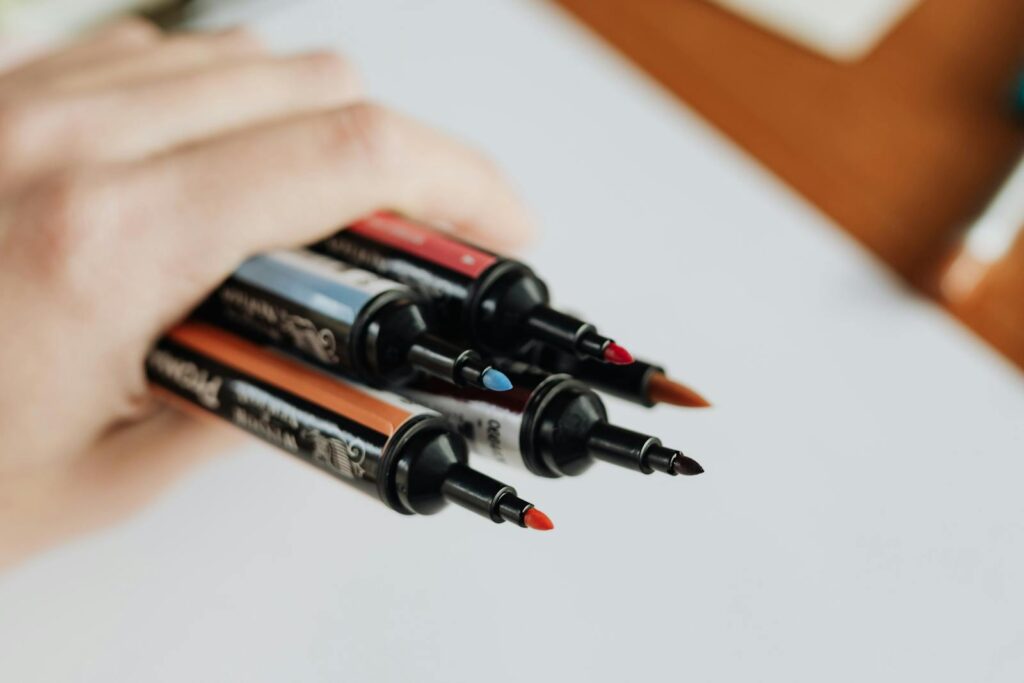
Old school supplies like dried-out markers
Families routinely toss old markers and school supplies without considering their potential uses. Dried-out markers can be revived with a few drops of water or rubbing alcohol. They can also be transformed into watercolors for art projects.
Vintage pencil boxes, faded notebooks, and worn erasers often end up in the trash during spring cleaning. Many of these retro school supplies hold nostalgic value or could serve creative purposes. Before discarding them, families might explore repurposing options or donating usable items to teachers who welcome extra supplies.
Outdated cosmetics and lotions
Most families toss expired makeup and skincare products without hesitation. These items can harbor bacteria and cause skin irritation when kept too long. Expired powder products like eyeshadow and blush are especially prone to contamination from makeup brushes.
People are learning to dispose of expired cosmetics safely by cleaning containers for recycling. Many brands now offer free recycling programs for old beauty products, making it easier for households to clear out bathroom cabinets responsibly.
Broken electronics and chargers
Most households accumulate drawers full of old chargers, broken tablets, and outdated phones without realizing the impact. Global electronic waste has reached record levels and continues growing faster than recycling rates.
Many families toss these items without considering that electronics contain toxic materials that harm soil and water. Instead of throwing them away, people can donate working devices or take broken ones to proper recycling centers.
Repairing electronics saves families money while reducing waste.
More from Willow and Hearth:
- 15 Homemade Gifts That Feel Thoughtful and Timeless
- 13 Entryway Details That Make a Home Feel Welcoming
- 11 Ways to Display Fresh Herbs Around the House
- 13 Ways to Style a Bouquet Like a Florist
Leave a Reply