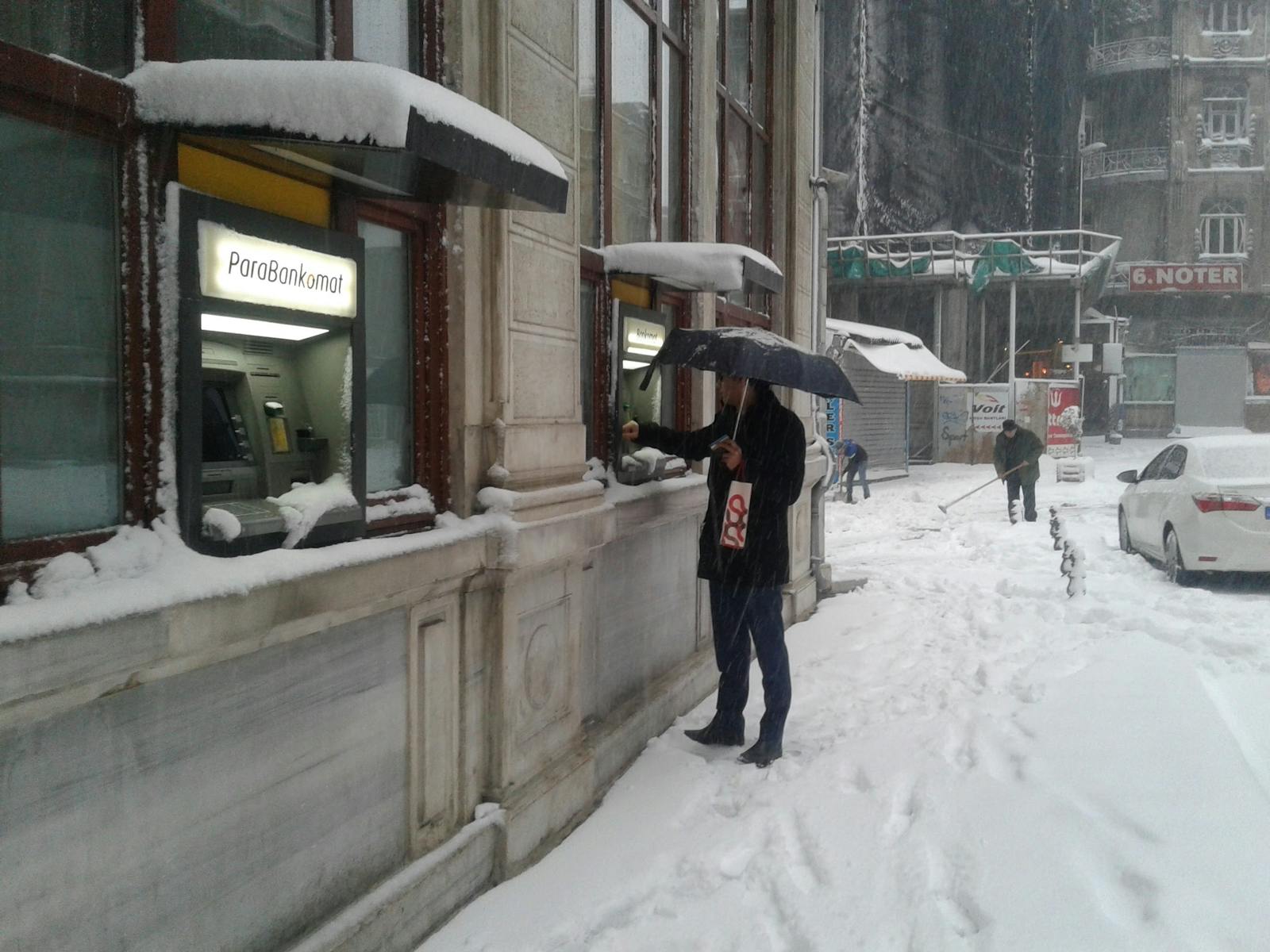
In a recent saga that has captured the internet’s attention, a customer of a small-town credit union found themselves locked out of their own funds due to a clerical error. It all began when the customer attempted to withdraw cash from an ATM, only to discover that their card was not working. Seeking assistance, they were given a code by a bank clerk to access cash directly from their account. This service was standard for customers of the credit union, not a special privilege.

During this trying time, a younger cousin offered an unexpected solution. Leveraging a Russian service that pays users in rubles to post on social media, they devised a plan to flood the credit union’s social media platforms with complaints. For just three dollars, they crafted a series of AI-generated prompts that incited a wave of discontent aimed directly at the credit union.
Suddenly, the small credit union found itself drowning in negative posts and complaints online, garnering the attention it seemed to have been ignoring for weeks. As the complaints amassed, it’s likely that management began to realize the repercussions of their inadequate customer service and the potential damage to their reputation.
On the same day that the barrage of complaints began, the bank’s call center manager made a rare phone call to the frustrated customer. Acknowledging the customer’s grievances, they offered a resolution: the transfer of the customer’s full account balance to another bank of their choice, along with a $50 compensation for their troubles. The credit union likely recognized the urgency in addressing the situation, as the flood of online complaints posed a significant threat to their community image.
While the bank managed to resolve the issue promptly, the aftermath left an interesting thought lingering in this small-town scenario: what happens to the countless individuals who might not have the same network or resources to address such injustice? The ease with which social media can amplify voices, even through unconventional means, has opened a new avenue for consumers seeking accountability from their service providers.
This incident serves as a reminder of the power dynamics at play between financial institutions and their customers. In the age of social media, customers are no longer voiceless entities; they can mobilize and demand change, even in the face of administrative errors. Although the customer found a resolution, the story also highlights the need for establishments like credit unions to prioritize consistent customer service and to treat all inquiries with respect, regardless of a customer’s background.
As for the Russian bots? The customer can’t quite tell them to remove their posts now that the issue has been settled. That will likely become someone else’s problem, as the credit union grapples with the digital footprint left behind by this unusual but effective protest strategy.
More from Willow and Hearth:
Leave a Reply