In a stunning display of landlord-tenant conflict, a tenant from Kentucky is raising serious concerns about the safety of their rented home following a small electrical fire that revealed hazardous conditions. The incident has left the tenant questioning the integrity of their landlord and the safety of the home, leading to a broader discussion about tenants’ rights and landlord responsibilities.
The tenant, who prefers to remain anonymous, rents a room in a house that has been a cozy abode until December, when a small electrical fire sparked fears of a much larger problem. Upon investigating the cause, the tenant discovered that the electrical panel in the home had not been inspected since 1984. This alarming revelation was underscored by the presence of a red “rough-in” sticker, indicating that it was never deemed safe or suitable for occupancy, alongside the absence of a “final approval” sticker.
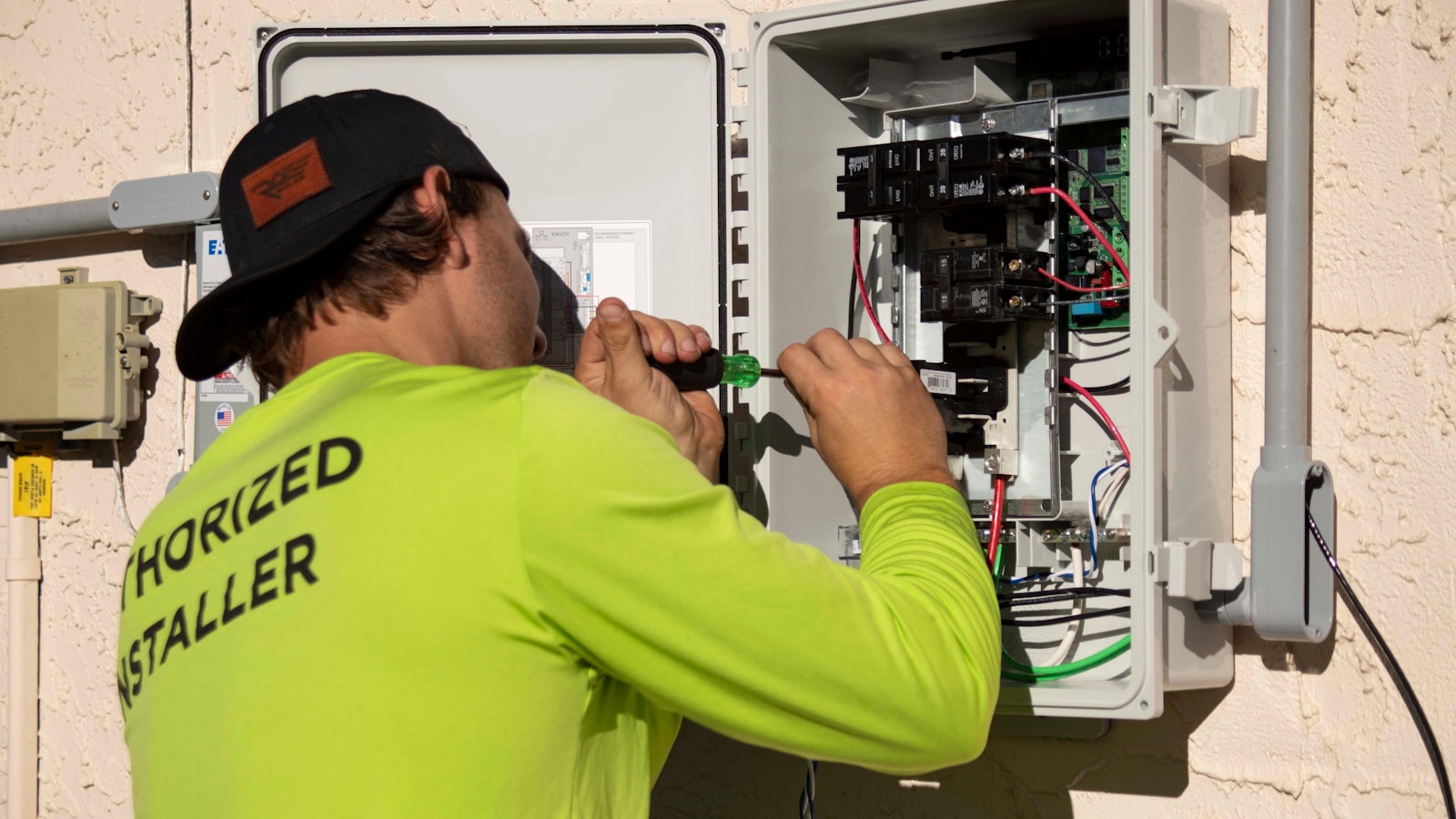
Following the fire, the landlord hired an individual to address the immediate electrical problem. However, the tenant was shocked to learn that the person who conducted the repairs was not a licensed electrician. This “fix” involved pulling additional wiring out of the wall and wrapping it in electrical tape, a method that many might consider insufficient under the circumstances. Compounding these concerns were visible signs of severe water damage and insulation that was crumbling away, revealing newspaper as a makeshift insulator. Exposed wiring added to the tenant’s increasing anxiety about potential future hazards.
After discovering these serious issues, the tenant has been in ongoing communication with the landlord, urging them to hire a licensed professional to conduct a proper inspection and perform necessary repairs. However, the landlord’s response has been less than reassuring. Unwilling to admit to any negligence, the landlord claims that the individual who came to fix the wiring was indeed a licensed electrician, despite the tenant’s inability to verify this. Requests for the electrician’s license number or any form of identifying information have been met with resistance, leaving the tenant feeling frustrated and powerless.
The landlord’s insistence that the electrical system is safe and up to code has raised further concerns, especially since no evidence supporting this claim has been provided. The tenant’s fear of encountering another electrical fire looms large, leading them to seek clarity about their rights under Kentucky law. Specifically, they are contemplating whether they have grounds to demand an inspection of the electrical system and potentially break their lease if the landlord fails to provide adequate proof of safety.
Under Kentucky law, tenants benefit from an implied warranty of habitability, which ensures that rental properties are maintained in a safe and livable condition. If significant safety issues arise—such as faulty electrical systems—tenants are typically entitled to provide their landlords with a 14-day notice to remedy the problems. Should the landlord fail to address the concerns in that timeframe, tenants may have the right to break their lease without facing repercussions.
The situation illustrates the tension that can arise between landlords and tenants, especially when safety is called into question. In an era where compliance with safety regulations is crucial, tenants need assurance that the properties they inhabit are not only habitable but also secure. For landlords, failing to meet these obligations can lead to serious legal repercussions, especially if a tenant incurs harm due to negligence.
As the tenant navigates this challenging situation, they continue to advocate for their safety and the integrity of their living environment. The urgency of a licensed inspection remains a top priority, as the looming danger of another electrical fire serves as a sobering reminder of the responsibilities that come with property management. In the end, it’s a stark reminder that tenants should feel safe in their homes and landlords must prioritize their duty of care to provide a secure living environment.
More from Willow and Hearth:
Leave a Reply