
In a world where technology is designed to simplify our lives, one HP printer user is discovering just how complicated things can get when it comes to printer ink subscriptions. The frustration of being locked into a monthly membership program has left a bitter taste in the mouth of an understandably irate customer, sparking discussions about the hidden drawbacks of modern printer technology.
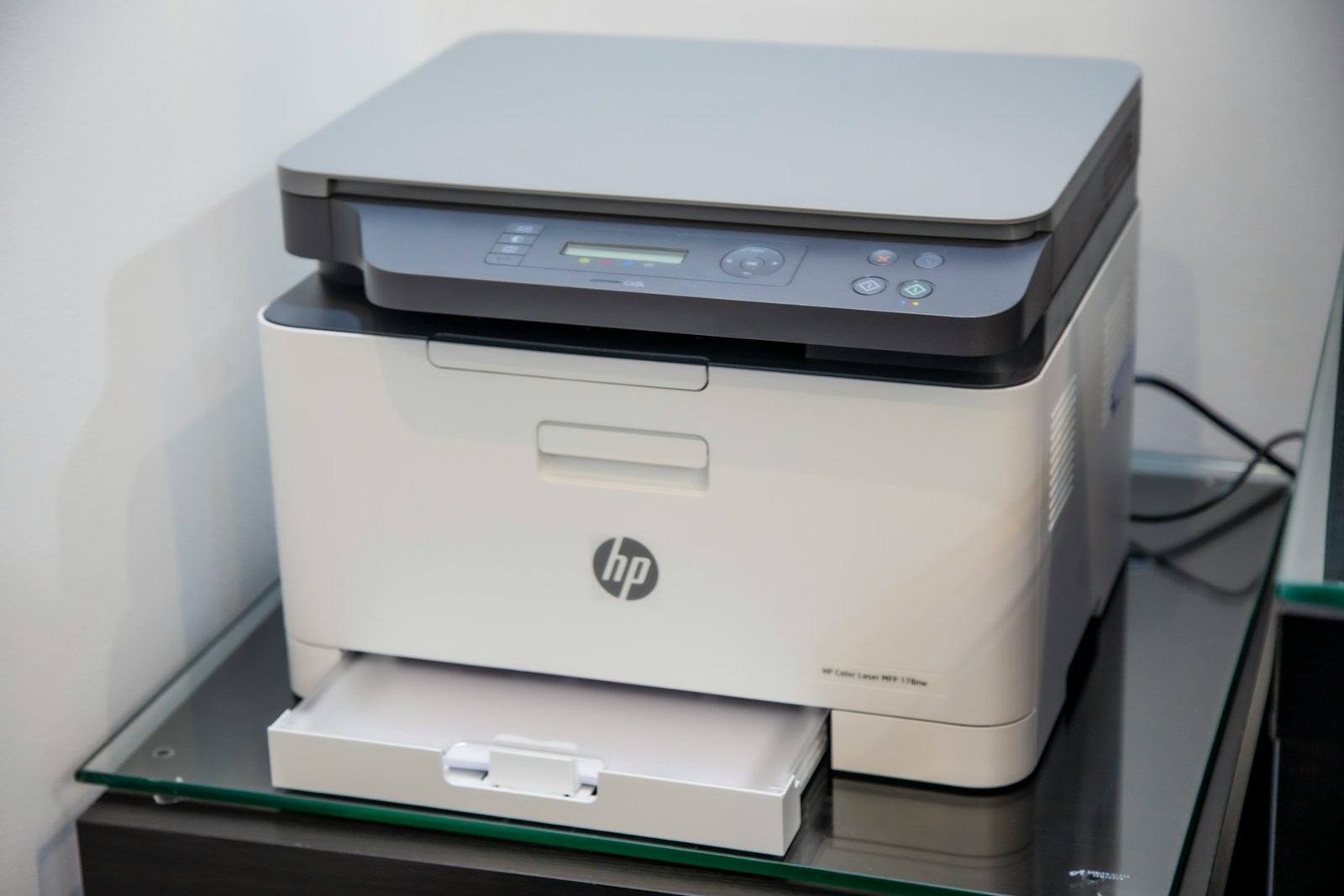
The story begins with a high-end printer purchased for over $300, which promised convenience and efficiency for all printing needs. For just $8.99 a month, the user would have access to automatic ink delivery whenever the printer sensed low ink levels. While this sounds like a great idea in theory—no more last-minute trips to the office supply store or unexpected printing delays—the reality has proven more troublesome than beneficial.
After a while, the user decided to cancel the subscription, hoping to save some money and reclaim control over their printing supplies. However, upon requesting to terminate the membership, they discovered a shocking revelation: their expensive printer was designed to be utterly reliant on the subscription service. Even with full ink cartridges already installed, the printer would refuse to print anything unless the monthly membership remained active. This left the individual in a frustrating predicament—forced to pay for ink they didn’t need, or face a situation where their printer would become nothing more than a paperweight.
This situation raises critical questions about consumer rights, as many users may not be fully aware of the implications of opting into such subscription services. While automatic ink delivery might seem convenient, the idea of being locked into a contract—especially when it directly affects the usability of a device one has already paid a premium for—feels like a bait-and-switch tactic. In essence, customers are tricked into remaining subscribers, even when they don’t want or need any new ink.
The ink that came with the printer, which is still perfectly usable, becomes virtually irrelevant when the printer demands an active subscription to function. This absurdity has been a source of significant frustration for those who value not just convenience, but also the ability to control their expenses. Why should anyone be forced to buy new cartridges or maintain a subscription for ink that they already possess?
Moreover, this situation shines a light on the larger issue of subscription services infiltrating every corner of consumer electronics. While subscriptions can offer convenience and savings in many instances, in some cases—like this one—they feel more like a trap than a service. Customers may find themselves entangled in contracts that limit their choices and result in unnecessary waste, both economically and environmentally.
The user’s experience isn’t an isolated incident. In recent years, many consumers have voiced similar grievances about various subscription-based models. Whether it’s ink subscriptions, software licenses, or other equipment dependencies, the trend is indeed growing. It’s a cautionary tale urging shoppers to be vigilant when purchasing high-tech appliances that come with strings attached.
While the user tries to process their mild yet significant infuriation, it’s essential to remember that this isn’t merely a standalone complaint. The balance of convenience versus control is a delicate dance that many consumers find themselves negotiating in the digital age. Each month, the $8.99 subscription fee accumulates, and in return, the user is merely buying the right to use their already purchased printer—an arrangement that doesn’t sit well with a lot of people.
So, what are the options for consumers caught in a situation like this? Some may consider reaching out to HP for a resolution, exploring whether there are settings or alternatives to bypass the subscription for existing ink. Others might take a closer look at their own printing habits and evaluate whether making a switch to a printer that does not rely on subscriptions is worthwhile in the long run.
In the age of smart appliances and tech-savvy gadgets, consumers must keep their eyes open for any potential pitfalls while navigating subscription services. After all, the goal should be to enhance productivity without unwittingly giving away control over something as fundamental as printing.
More from Willow and Hearth:
Leave a Reply